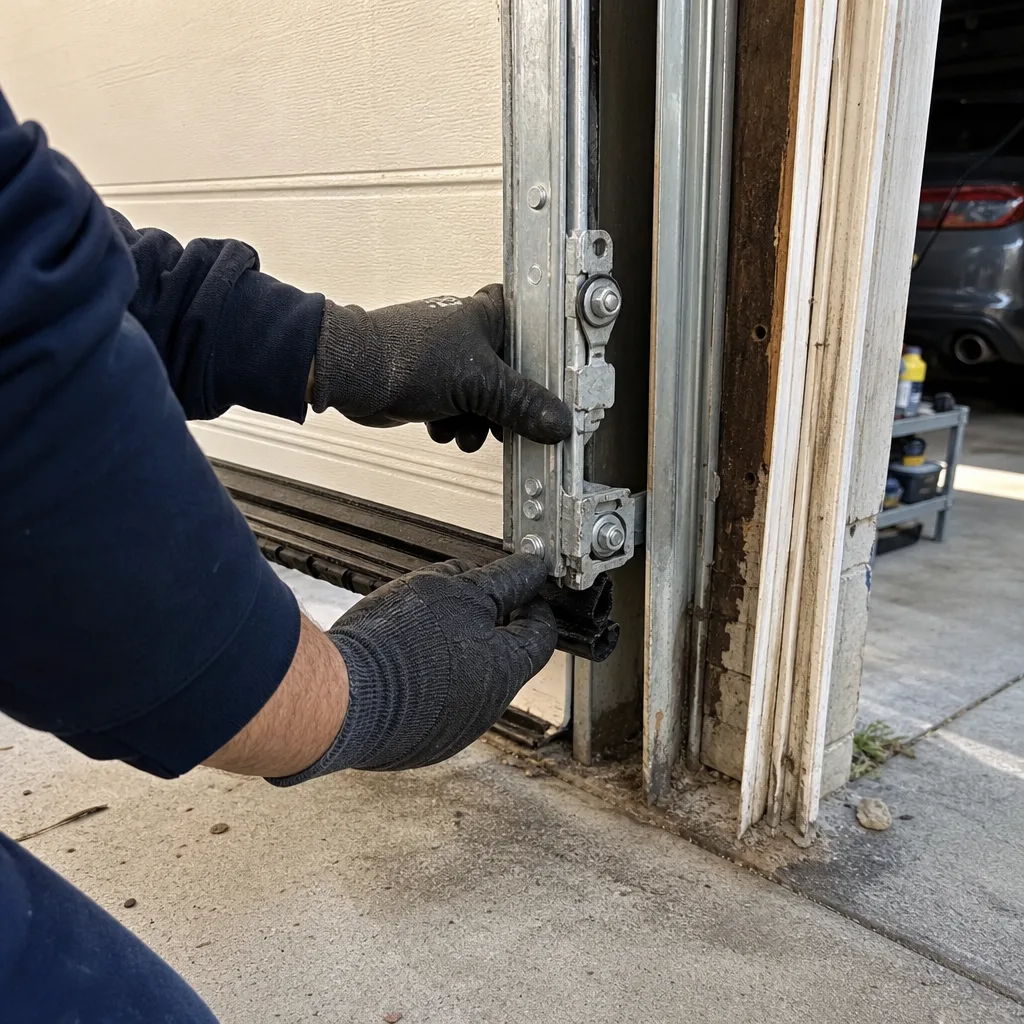
Last updated November 21, 2026
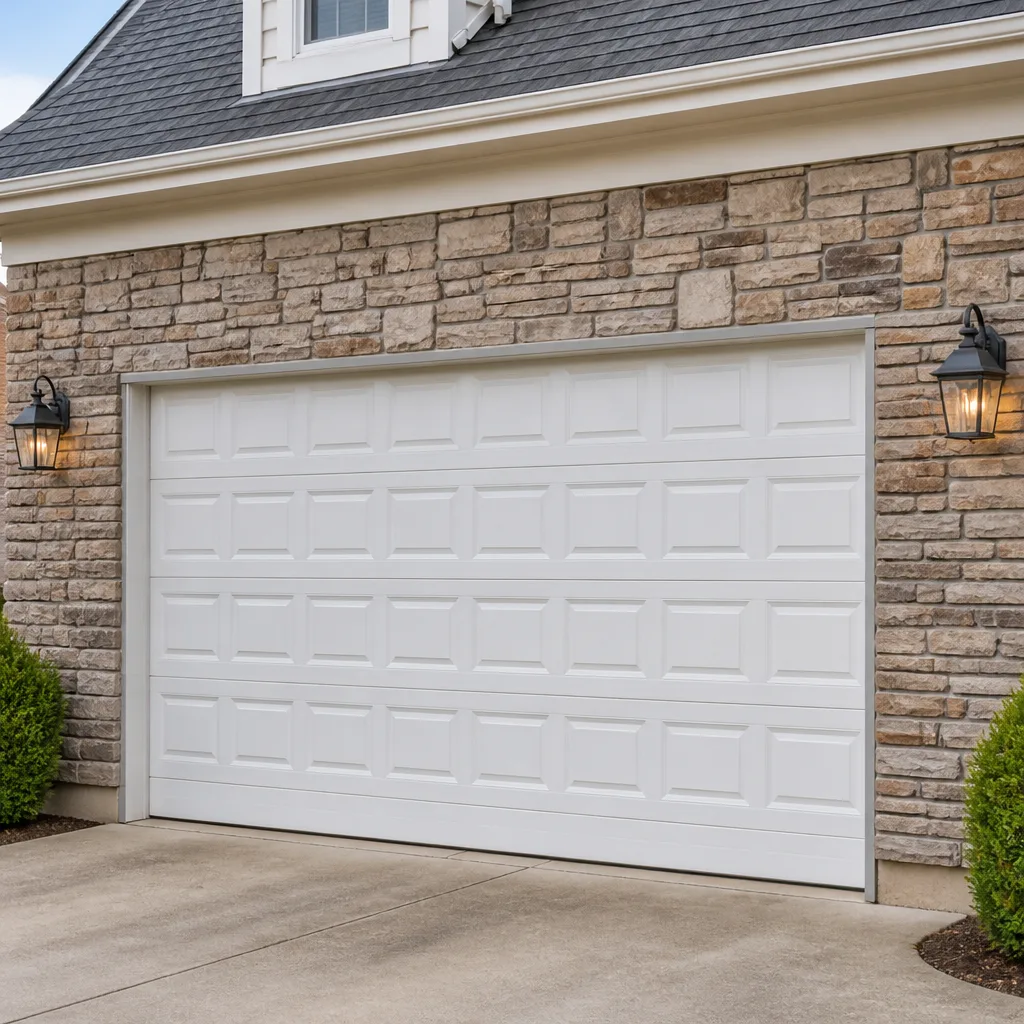 Raised-panel steel
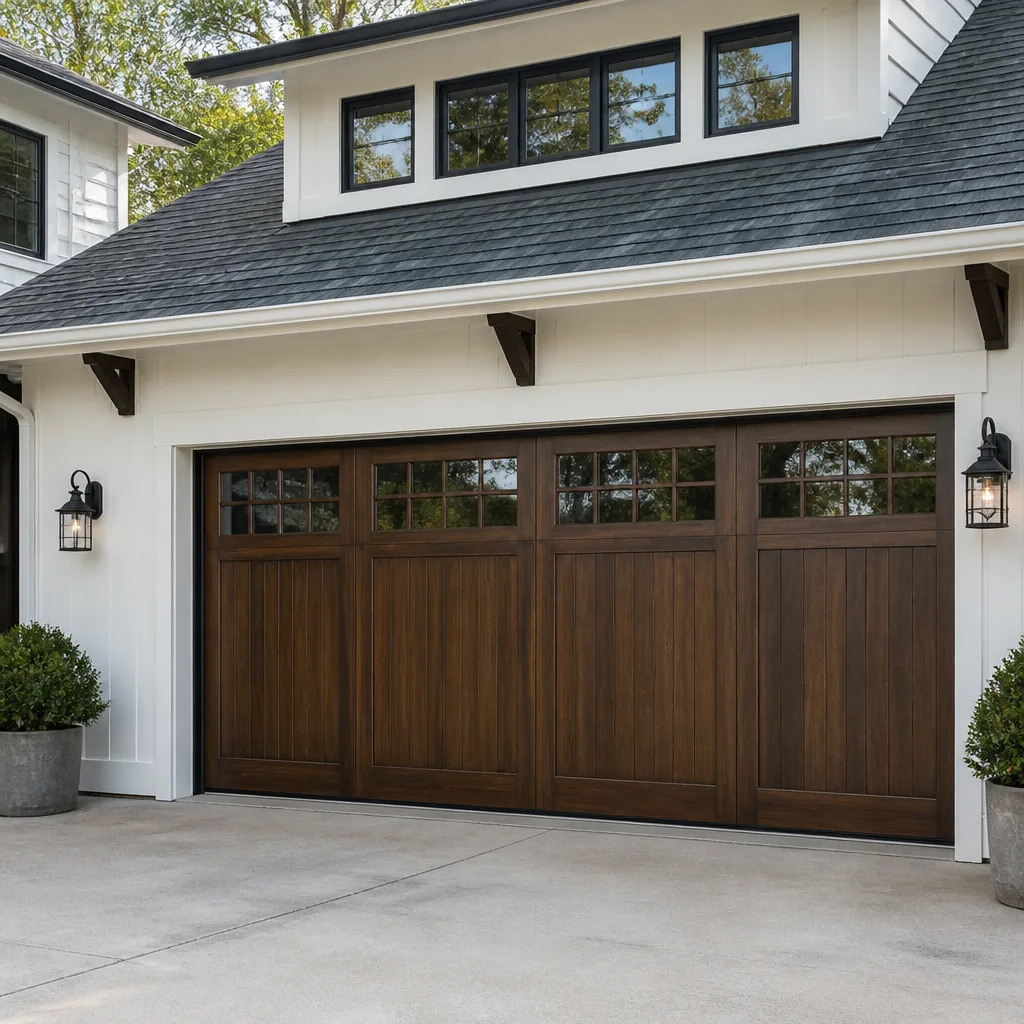
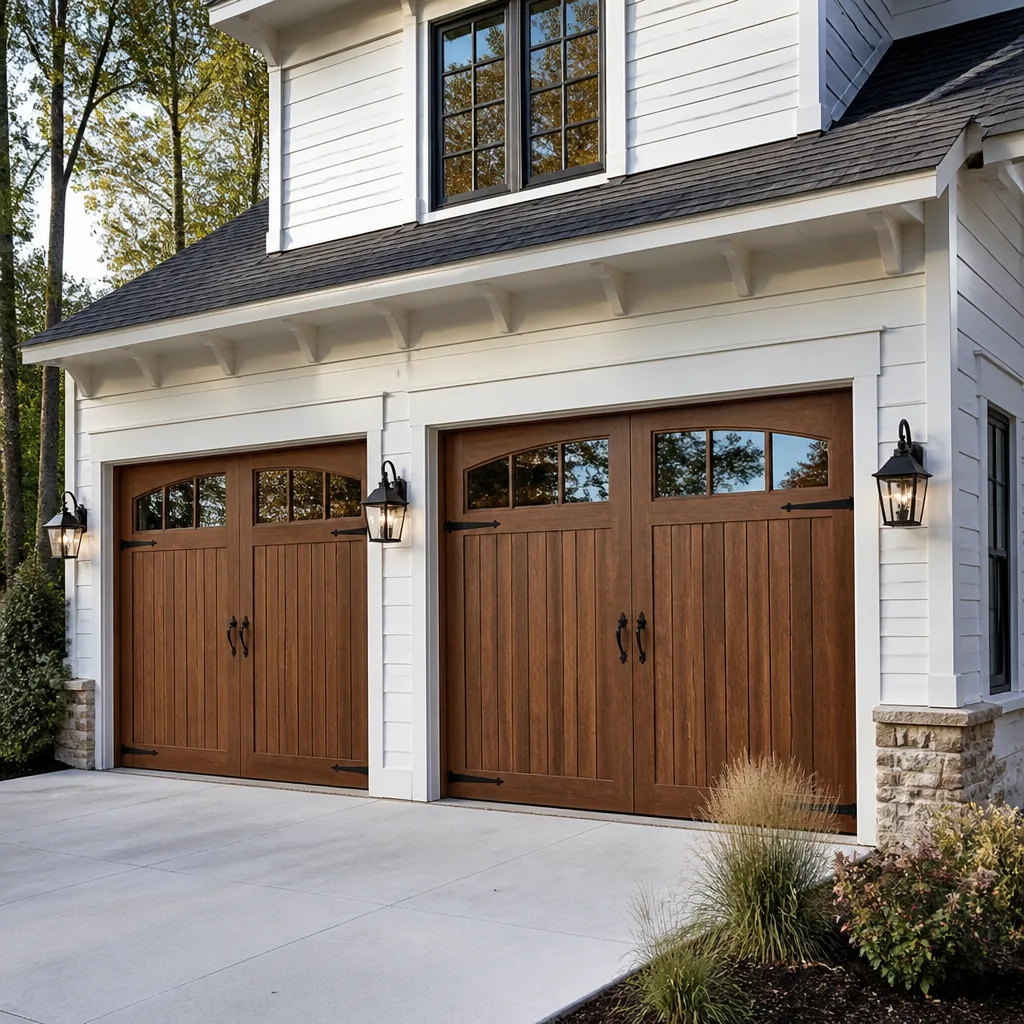 Carriage house
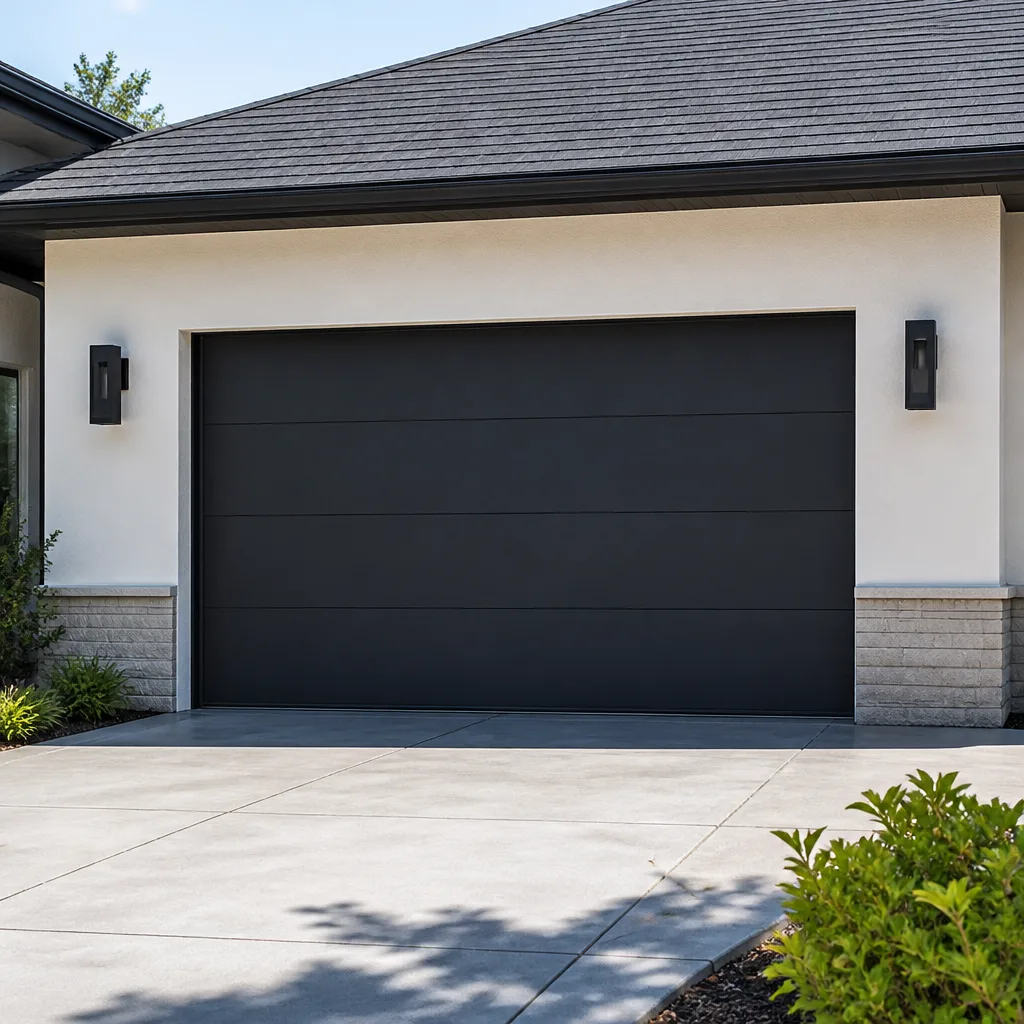 Modern flush
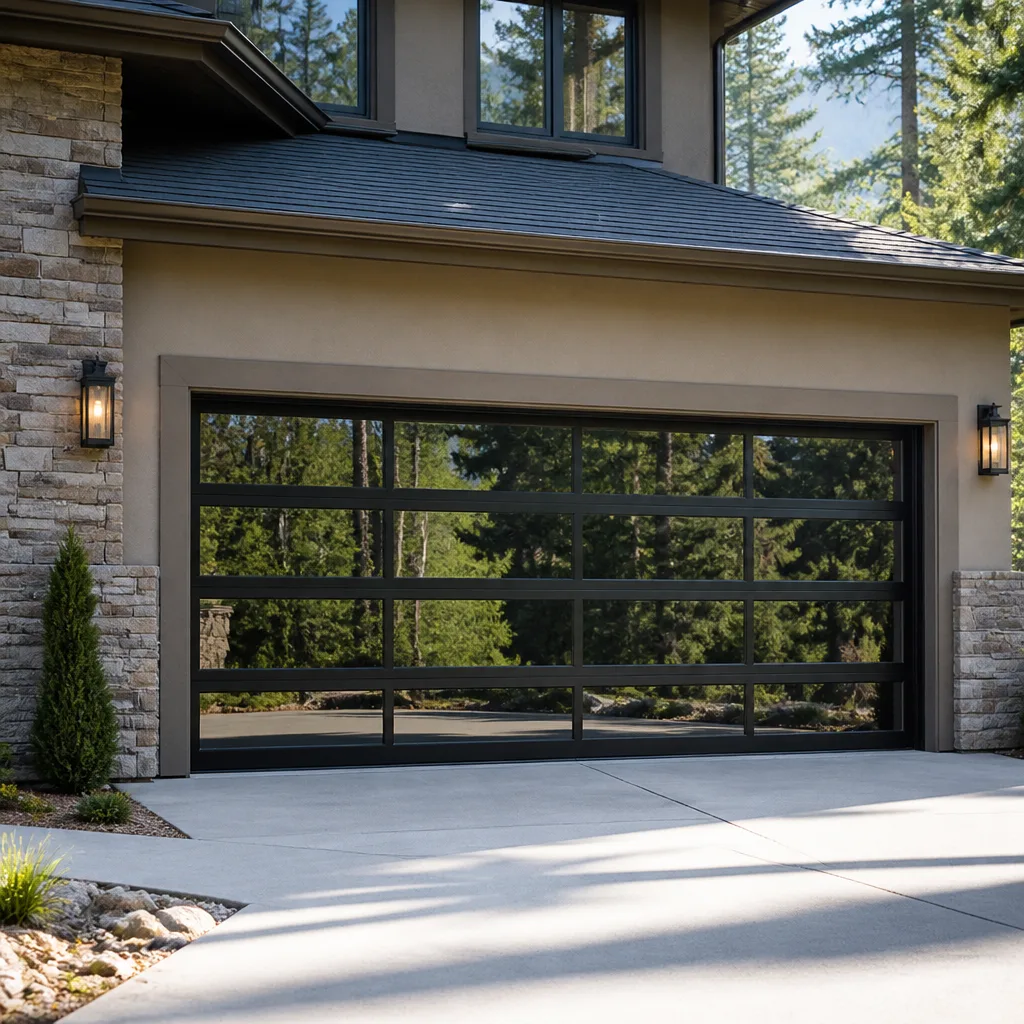 Full-view glass
 LiftMaster openers
 Chamberlain openers
Full 25-point door and opener safety check with every visit - springs, cables, rollers, tracks, and your LiftMaster or Chamberlain opener included
You get a price before we start. It does not change when the pro arrives.
Get your free estimateSeasonal Garage Door Care for Germantown: Year-Round Homeowner’s Guide
Most homeowners assume their garage door fails because something finally wore out. In our experience around Germantown, the opposite is closer to the truth: the door usually wears at a predictable rate, and what changes is the stress the weather puts on it. Late January and early February are peak spring-failure months here, and it’s not because cold metal simply cracks. It’s the combination of cold-snap contraction pulling on springs that were already near the end of their life, plus a heavier-than-usual run of open-and-close cycles from holiday traffic. Neither factor finishes a healthy spring. Together they finish a tired one. This guide walks through what each of Germantown’s four seasons actually does to your springs, seals, panels and opener, and the handful of tasks that prevent most avoidable breakdowns.
Quick Answer
Seasonal garage door care in Germantown means matching your maintenance to four different kinds of stress: fall is the best window for seal and lubrication work before the cold sets in, winter is when springs are most likely to fail and openers can appear dead from a thermal issue, spring brings humidity that swells older wood panels, and summer UV degrades rubber seals and vinyl faces on sun-facing garages. The single most useful habit in every season is a monthly manual balance test, which tells you whether your springs are drifting toward failure long before the door stops working.
Styles & brands we work with
- Raised-panel steel
- Carriage house
- Modern flush
- Full-view glass
- LiftMaster openers
- Chamberlain openers
Table of Contents
- Why Germantown Puts Four Different Stress Patterns on Your Door
- The Monthly Balance Test That Spans All Four Seasons
- Fall (October-November): The Window That Matters Most
- Winter: Springs, Cold Snaps and the “Dead” Opener
- Spring (March-April): Humidity and Older Wood Panels
- Summer: UV Damage on Seals and Vinyl Faces
- Opener Care Through the Year
- Your Germantown Seasonal Checklist at a Glance
Why Germantown Puts Four Different Stress Patterns on Your Door
Germantown sits in a part of Maryland where the door faces genuinely different conditions from one month to the next. That’s not a marketing line. It means the component that’s most at risk in your garage changes as the year turns, and a maintenance routine built around a single annual tune-up misses most of it. A spring that’s fine in October can be a spring that fails in February. A bottom seal that looked intact in May can be letting water into the garage by August.
Here’s how the pressures break down across the year, and what each one threatens:
- Cold snaps: metal contracts, steel springs lose some tension, and lubricant thickens. Most spring failures call in from the Germantown area land in the coldest weeks.
- Heavy usage bursts: the holiday stretch runs the door more often than any other part of the year, which is exactly when springs are most vulnerable.
- Humidity swings: the spring thaw and early rain season push moisture against wood panels, particularly on older doors still carrying their original sections.
- Sun exposure: south- and west-facing garages take UV on the seals and any vinyl-faced panels through the long summer days.
None of those are emergencies on their own. What turns them into repair calls is neglect across the handoff between seasons. A homeowner who understands which stress is coming can often handle the small adjustments and know exactly when to bring in a trained technician for the parts that carry real risk. If you’d rather have a professional handle the whole yearly cycle, our Germantown Garage Door Repair Pros team works on every major residential brand installed in the area, which means the diagnosis doesn’t depend on who made the door.
One more local note: plenty of Germantown homes sit on driveways that slope or drain toward the garage. In summer storms and the spring thaw, water gets pushed against the bottom seal rather than running away from it. That’s why the bottom seal matters here more than it does in flatter neighborhoods, and why we treat it as a seasonal wear item rather than something you replace when it finally falls apart.
The Monthly Balance Test That Spans All Four Seasons
If you take one task from this guide, take this one. A monthly manual balance test tells you whether your springs are losing tension, and it works the same way in January as it does in July. It’s the single best early-warning signal a homeowner has, and it takes under a minute.
- Close the door fully and disengage the opener using the release handle (usually a red cord). You want the door running on springs and track only.
- Lift the door by hand to about waist height. Use the bottom section, not the panels or hinges.
- Let go gently. A balanced door stays where you left it, give or take a few inches.
- Watch what happens. If it drops fast, the springs are losing lift. If it wants to rise on its own, tension is off. Either way, the springs need a look.
- Re-engage the opener and run the door once to confirm it cycles normally.
Safety note: never attempt to adjust, wind or replace the springs yourself. Garage door springs are held under extreme tension, and a spring that lets go during handling can cause serious injury. This is one of the few parts of home maintenance where we recommend against DIY outright, regardless of how many videos you watch. A trained technician has the winding bars and the procedure to release tension safely, and that’s the right call every time.
What you’re looking for in the monthly test isn’t a pass or fail so much as a trend. A door that held at waist height in October and drifts down in December is telling you the springs have crossed a threshold. That’s the moment to book garage door spring repair, not the morning the door won’t open at all. Catching it early usually means a planned repair instead of a call from a trapped car. It also costs less, because a spring that fails suddenly can take cables and the opener’s drive with it.
Fall (October-November): The Window That Matters Most
Fall is the most valuable service window of the year in Germantown, and it has nothing to do with spring tune-ups. The three tasks that matter in October and November prepare the door for the conditions that break things in January, and they’re much easier to do while the weather is still mild.
Seal replacement
The bottom seal is the rubber strip along the bottom of the door. Over a summer of UV and heat cycles, it hardens. By fall, it’s often flattened or cracked enough that it no longer makes contact with the floor. Replace it now and you seal out the cold air, the drafts and the mice before winter pushes them against your garage. It also keeps the spring thaw from running in under the door.
Lubrication with the right product
Not every lubricant belongs on a garage door. Standard grease thickens in cold weather, which loads up the opener motor and slows the door exactly when the springs are already working harder. Use a low-temperature lubricant designed for garage door hardware, and apply it to the rollers, hinges, and the torsion tube bearings, not the springs themselves. Fall is the right time because the product will still be working in February.
Opener force adjustment
Most modern openers, including the LiftMaster and Chamberlain units common in Germantown garages, have a force setting that controls how hard the motor pushes or pulls. As seals and rollers wear and settle, the door’s resistance changes, and a door that ran cleanly in summer can start triggering the safety reverse in winter. Adjusting the force within the manufacturer’s range in the fall heads off a lot of cold-morning nuisance trips. Check your manual for the exact procedure, or have a technician set it when they’re out for the seal work.
Why is fall more valuable than a spring tune-up? Because a spring tune-up in March only tells you the door is running now. Fall prep tells you the door will still run in February, which is when it’s coldest, most heavily used, and least convenient to be without. That’s the whole reason this season gets first priority in the calendar.
Winter: Springs, Cold Snaps and the “Dead” Opener
There are two things we hear most often from Germantown homeowners between December and March. The first is “the spring broke.” The second is “the opener is dead.” Neither is usually quite as simple as it sounds.
Springs in the cold
Steel springs lose a little tension as the temperature drops. A spring that was near the end of its rated cycle count in October will often fail in the first sustained cold snap, because that last bit of tension loss pushes it past the door’s weight. The heavy holiday usage stretch is what finishes the job: more cycles in a short space, on a spring already fatigued by the cold. When a spring goes in winter, it’s genuinely a case for trained hands. Don’t try to lift the door by hand to test anything; a heavy door held up by a single tired spring can drop. Call for emergency service and let a technician release the tension safely.
Opener logic boards and thermal issues
A LiftMaster or Chamberlain opener that appears completely dead in January is often not dead. Cold affects the logic board’s operation, and some units will refuse to run, or will run briefly and stop, when the internal temperature is below normal. It can also be a thermal cutoff from the motor working harder than usual against a door that’s stiff with cold. Before assuming the opener needs replacement, check the obvious: the breaker, the wall control, and the safety sensors (frost or snow on the sensors is a common culprit). If it still won’t respond after that, an garage door opener repair technician can usually tell within a few minutes whether you’re looking at a board, a motor, or a tolerance issue, and repair it rather than replace it if that’s the right fix.
Winter is also when a door that’s already a little out of balance starts reversing at the floor. The opener’s safety reverse senses resistance, and a stiff, cold door can trip it on every close. That’s a signal to call someone, not to crank the force setting up beyond the safe range. A force setting high enough to power through the resistance on a close can defeat the safety reverse, which is the feature that stops the door on contact. Leave the setting alone if you’re not sure what you’re doing.
Spring (March-April): Humidity and Older Wood Panels
Germantown’s spring is where older doors start to show their age. The temperature swings and the humidity of the thaw and early rain season push moisture into wood, and a wood-panel garage door reacts by swelling slightly. On a newer door, that’s a few millimeters and you won’t notice. On a door that’s been in place for a while, and on the older sections around neighborhoods like Clopper’s Mill and Milestone, it can be enough to bind the door in the track.
Here’s how to evaluate whether your panels need adjustment or replacement before they bind permanently:
- Run the door and listen. A rhythmic scraping or a single spot where the door seems to catch is the classic sign of a swelling panel.
- Look at the gaps between sections. If the joints look uneven, or if one section sits proud of its neighbors, that panel has taken on moisture.
- Check the track alignment. Swollen panels push against the track and can bend it slightly over a season. If the track looks bowed at one section, the panel is the cause.
- Look for paint lifting at the seams. Paint that’s peeling from the bottom of a section or from a joint is a sign of moisture that’s been trapped and released.
- Decide whether adjustment or replacement is right. A single swollen panel can sometimes be adjusted or resealed. Multiple panels swelling every spring is a sign the door is due for replacement, and it’s cheaper to plan that than to keep chasing adjustments.
This is also the season to check any Raynor or Craftsman door that’s been dependable for years but is starting to sound loose. Spring humidity exaggerates the looseness in hinges and rollers, so what sounds like a failing door is often just worn hardware. That’s a good reason to book a repair visit in March or April, when the problem is still small and easy to fix. If the door is genuinely at the end of its life, we also handle new installation, so you’re not looking for a second company to take over.
Summer: UV Damage on Seals and Vinyl Faces
Summer in Germantown is the season most homeowners ignore the garage door, largely because nothing dramatic happens. That’s the trap. The damage summer does is slow and cumulative, and it shows up as a repair bill in the fall or a wet floor in the spring.
The biggest target is the bottom seal. Rubber and vinyl seals degrade under UV like a garden hose left out in the sun, and a south- or west-facing garage gets the worst of it because the sun hits the door directly through the hottest part of the day. A seal that’s fine in June can be cracked and brittle by September, at which point it’s no longer making contact with the floor and the first heavy rain pushes water in under the door. The same UV exposure fades and eventually cracks vinyl-faced panels, and on older doors it can make wood panels more prone to moisture absorption in the following spring.
What does it cost to just replace the bottom seal once a year? The seal itself is a small line item in any garage door repair, and the labor is minimal compared to most of the service menu. Water damage to a garage floor, stored belongings or the door’s own lower panels is the more expensive outcome, and it usually shows up over a winter rather than the day the seal fails. If your garage faces south or west and the door gets direct sun through the summer, plan on checking the seal each September and replacing it when it’s no longer pliable. That’s a cheaper habit than waiting for the water.
Summer is also when we get the most calls about a door that’s slow or that hums without opening. Heat can affect the opener’s motor, and a long stretch of hot weather is when a tired motor finally gives up. A technician can tell quickly whether it’s a failing motor or a board that needs attention.
Opener Care Through the Year
Your opener is the part of the system that gets used every single day, and it’s also the part where a small piece of maintenance saves the most money. The work is mostly the same regardless of the season, but with one important distinction: what the cold and heat actually do to it.
Here’s what to check across the year, in order of priority:
- The safety sensors, monthly. Clean the lenses, check alignment, and confirm the door reverses when you break the beam. Frost, dust and spiderwebs are the most common causes of a door that “acts up.”
- The force setting, at the season changeover. Recheck the opener’s force setting as the door’s resistance changes between summer and winter. Keep it within the manufacturer’s range.
- The drive mechanism, twice a year. Belt and chain drives benefit from a light application of the manufacturer’s recommended lubricant. Screw drives generally don’t need it.
- The logic board, when the opener behaves oddly. A dead opener in January or a door that runs intermittently in July is worth checking at the board level before you assume replacement.
- The battery backup, if fitted. Test it once a year. A battery that’s failed silently is the reason your door won’t work during a power cut.
We work on the openers most Germantown homeowners actually have, including LiftMaster, Chamberlain, Genie and Craftsman units, and if the door itself is a Clopay, Amarr, Wayne Dalton or Raynor, we’re diagnosing the whole system rather than one part of it. That matters because an opener issue and a door issue can look identical from the outside. A door that reverses could be a misaligned sensor, a force setting too low, or a spring that’s lost tension. Getting one technician who understands all three is how you avoid the back-and-forth of calling the opener guy and the door guy separately.
If you’d rather have the whole yearly cycle handled in one visit, our standard garage door repair service includes the diagnostic work that catches most of these seasonal issues before they become urgent, and the estimates are free.
Your Germantown Seasonal Checklist at a Glance
Here’s the whole year laid out as one list. Bookmark this section if you want to skip the detail above.
- Every month, year-round: the manual balance test. Close the door, disconnect the opener, lift to waist height, let go. Match what it does to what it did last month.
- Every month, year-round: test the safety sensors. Clean the lenses, break the beam, confirm the door reverses.
- October-November: replace the bottom seal if worn, lubricate rollers and hinges with a low-temperature product, adjust the opener force setting for winter, check the weather stripping around the perimeter.
- December-February: watch the springs closely, clear snow and frost from the sensors before assuming the opener is dead, and call for emergency service if a spring breaks rather than trying to lift the door.
- March-April: listen for panel binding or scraping, inspect the section joints for swelling, check the track alignment, and book a repair visit if anything sounds loose.
- June-August: check the bottom seal for UV hardening on south- and west-facing doors, look for faded or cracked vinyl faces, and note any opener slowdowns.
- September: the second seal inspection, ahead of the fall replacement window.
Two things worth adding on the local side. First, if you’re in a part of Germantown where the driveway drains toward the garage, put the September seal check at the top of your list every year; water is the more common cause of damage than temperature. Second, if your home has a garage door that faces west and sits in full sun through the afternoon, expect a shorter seal life and plan accordingly. Neither is a sign of a bad door. Both are just how the climate works here.
Common Mistakes to Avoid
- Treating “dead opener” in January as a hardware failure. Before calling for a new opener, check the breaker, the wall control and the safety sensors. Plenty of openers that look dead in the coldest weeks are really responding to temperature or a sensor issue.
- Turning up the opener force to solve a hard-closing door. A door that needs more force to close is telling you something (spring tension, seal resistance, track alignment). Raising the force setting to push through it defeats the safety reverse and is the wrong fix.
- Using standard grease in cold weather. It thickens below freezing, loads the opener motor and slows the door exactly when the springs are already stressed. Use a low-temperature lubricant made for garage door hardware.
- Waiting for the spring to break before testing the balance. The monthly balance test is free. A failed spring in a cold snap is not, and it can take cables and the opener with it.
- Assuming wood panel swelling will settle. In older Germantown doors it often doesn’t, and a binding panel can bend the track if it keeps running against it. Check in April, not in August.
- Skipping the bottom seal because it “still works.” A seal that’s lost its contact with the floor is letting water in under the door, and the water damage rarely shows up on the day it happens.
- Trying to wind a torsion spring yourself. This is the one mistake on the list that can put someone in the hospital. Springs are held under extreme tension and need the right tools and procedure.
See the difference
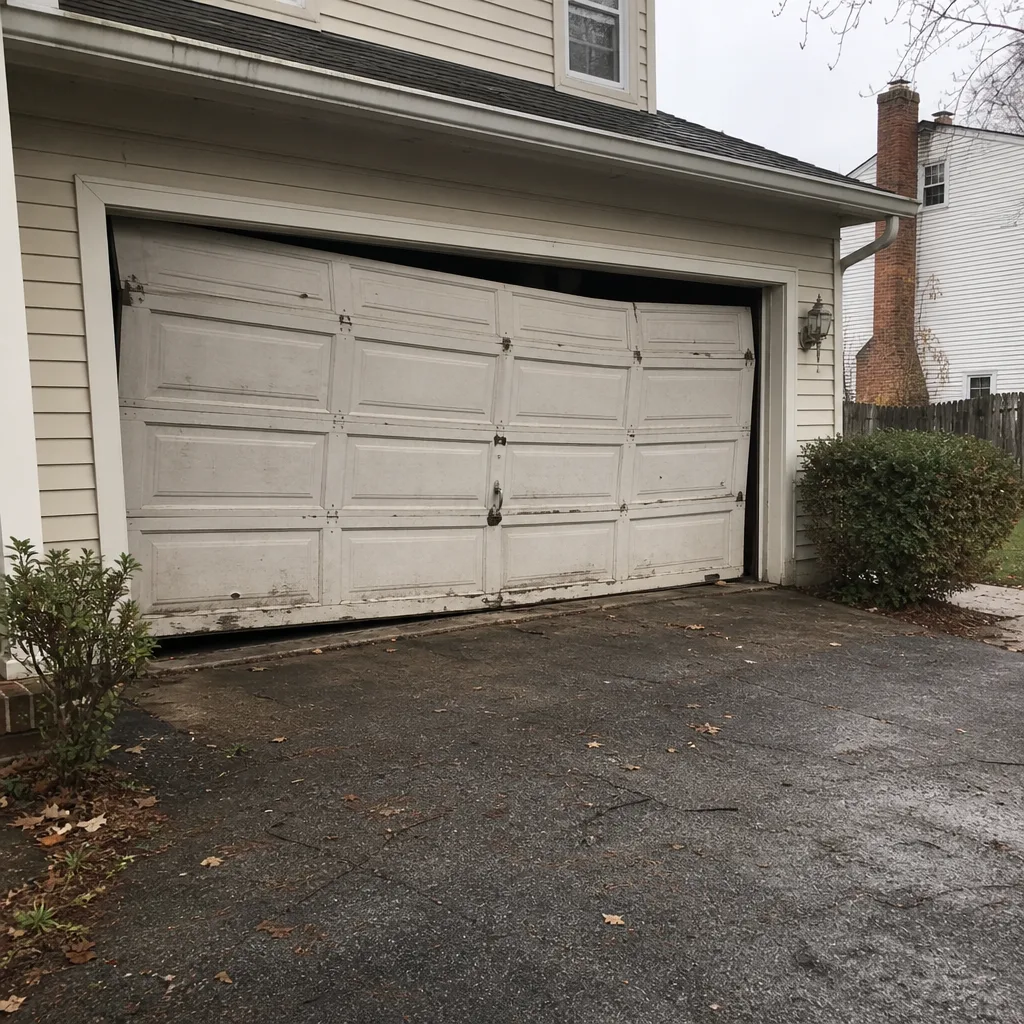 Before
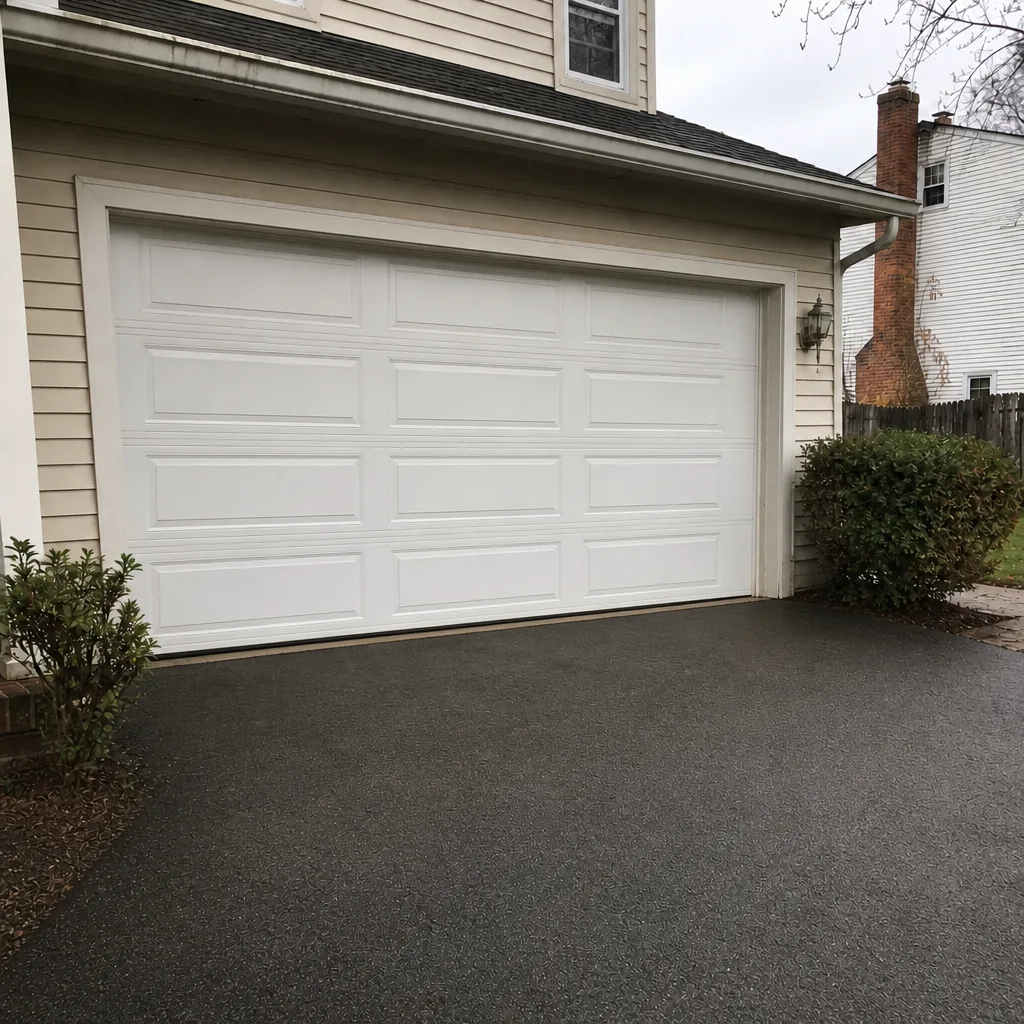 After
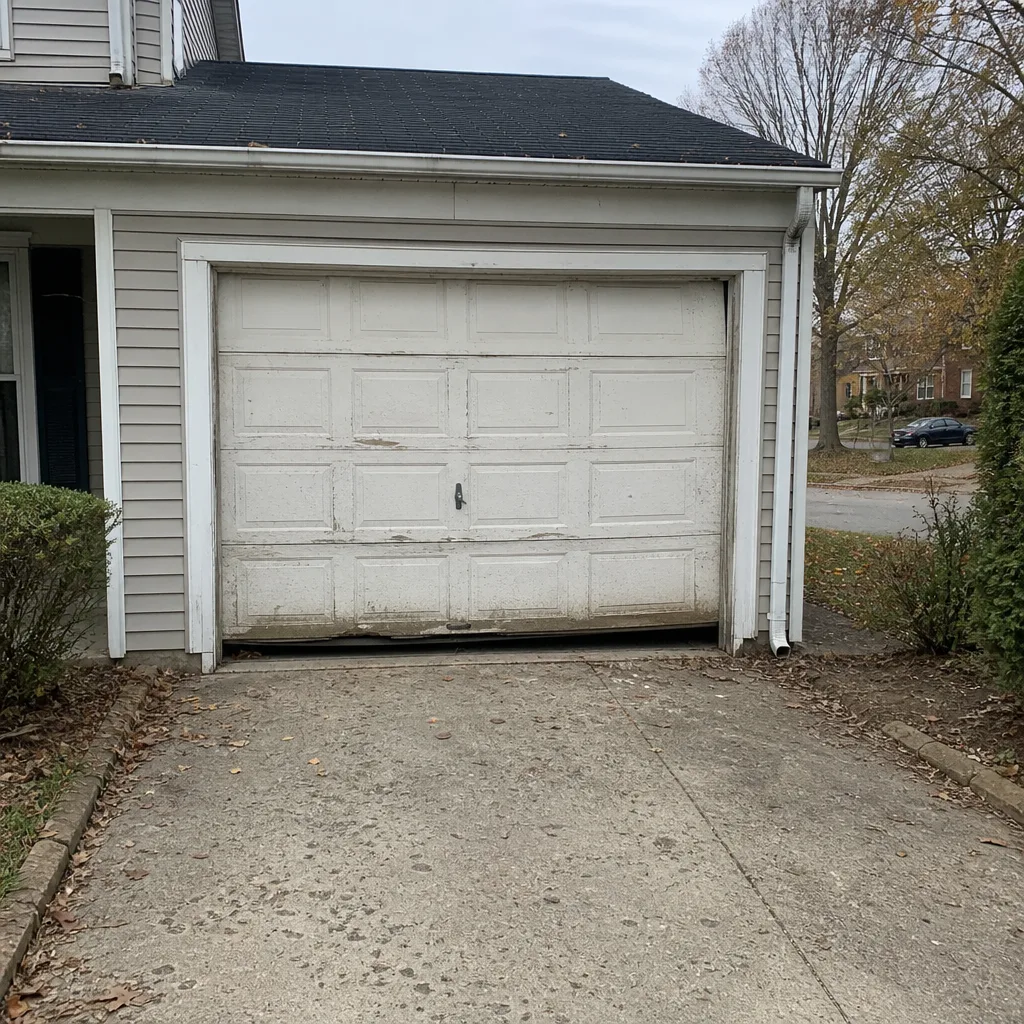 Before
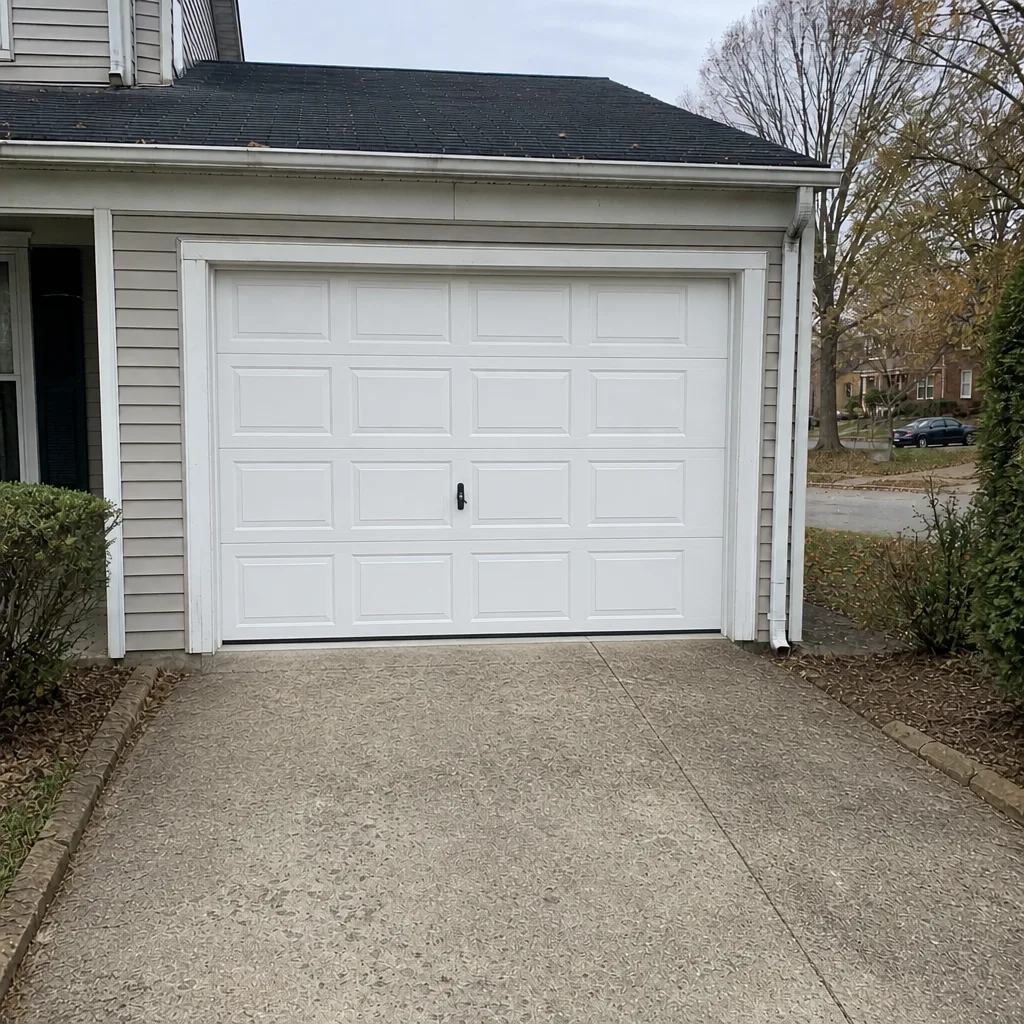 After
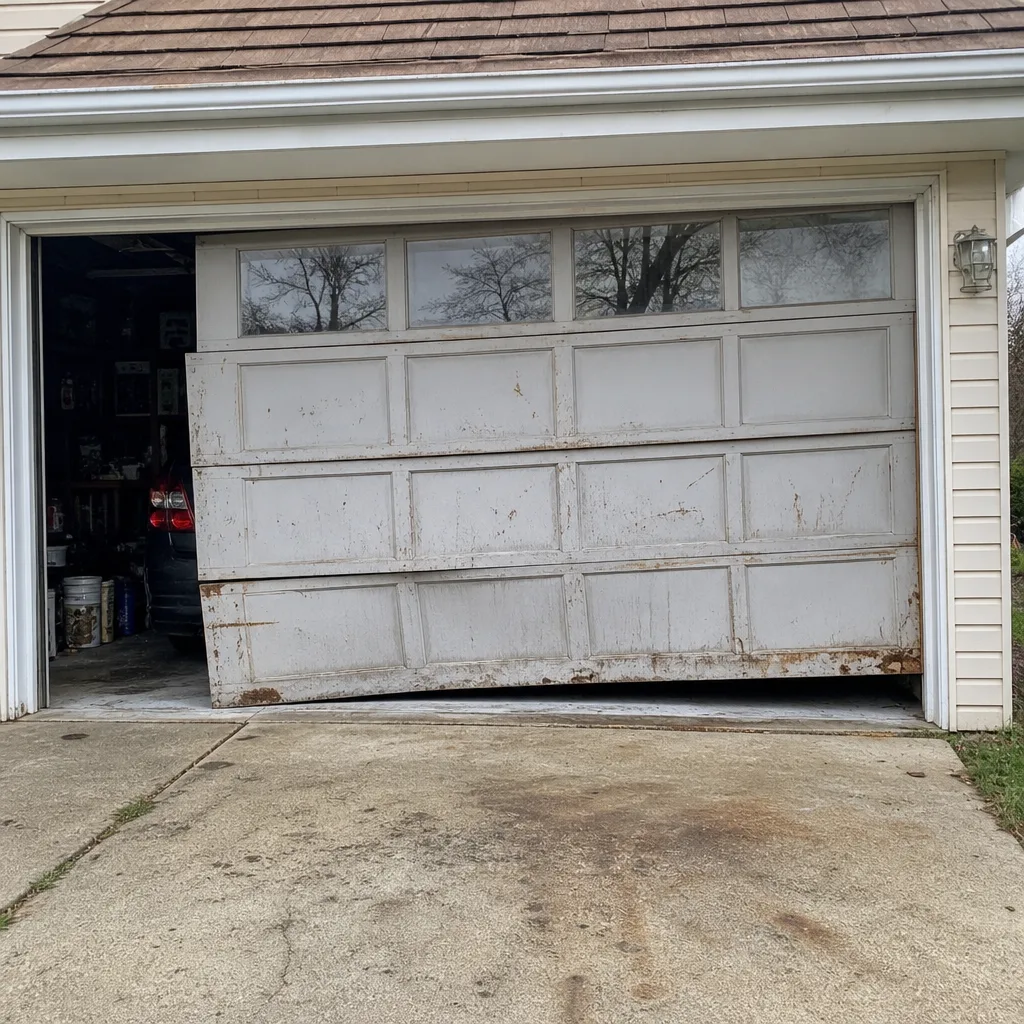 Before
 After
When to Call a Professional
Some of this guide is homeowner work: the monthly balance test, the sensor check, the seal inspection. Some of it isn’t. Call a professional when a spring has broken or a door won’t open, when the balance test shows the door dropping or rising on its own, when the door is binding in the track, or when the opener behaves unusually and the obvious checks don’t explain it. Call when you see a bent track, a frayed cable, or a door that looks like it’s hanging off one side. Those are the situations where a small issue can become a big one, and where continuing to cycle the door can make things worse.
Our technicians have up to 14 years of experience, and we handle repair, opener repair, spring repair and new installation as one service, so you’re not passing the job between providers. Germantown Garage Door Repair Pros offers free estimates in Germantown – call (844) 575-0084 to book a visit or to ask about a specific issue.
Frequently Asked Questions
Fall, between October and November, is the most valuable window in Germantown. That’s when seal replacement, low-temperature lubrication and opener force adjustment do the most good, because they prepare the door for the cold snaps and heavy holiday usage that break springs. A spring tune-up in March tells you the door runs now; fall prep tells you it will still run in February.
Because late January and early February combine two stresses at once. Cold snaps contract the metal and reduce spring tension, and the holiday stretch runs the door more often than any other part of the year. Neither factor breaks a healthy spring, but together they finish a spring that was already near the end of its cycle life. The monthly balance test is your best warning that a spring is drifting toward failure before it goes. Call (844) 575-0084 if yours has broken and we’ll book a repair – estimates are free.
It might be the weather. Sub-freezing temperatures can affect the logic board on LiftMaster and Chamberlain openers, and a motor working against a stiff, cold door can trip a thermal cutoff. Check the breaker, the wall control and the safety sensors first, since frost and snow on the sensors is a common cause. If the opener still won’t respond after that, a technician can tell you within a few minutes whether it’s a board, a motor or a tolerance issue, and repair rather than replace if that’s the right call.
Plan on checking it every September if your garage faces south or west, since that’s the exposure that takes the most summer UV. Many of those seals need replacing roughly once a year, and on shaded doors you’ll get longer life out of them. A seal is a small line item in any repair and far cheaper than water damage to the garage floor or the lower panels. Call (844) 575-0084 for a quote if yours is hardening or cracked.
Yes, as long as you follow the procedure. Close the door, disconnect the opener, lift the door by the bottom section to waist height and let go. A balanced door stays put; one that drops or rises is showing spring wear. Do not reach for the springs themselves at any point. Springs are under extreme tension and need a trained technician with the right tools to work on them safely.
Yes. We service LiftMaster, Chamberlain, Genie, Clopay, Amarr, Wayne Dalton, Craftsman and Raynor, which covers both the legacy mechanical systems in older Germantown homes and the modern smart-opener platforms in newer ones. That means we diagnose and repair whatever brand is already on the door, without requiring a brand-specific dealer appointment or an upsell to new equipment. Call (844) 575-0084 and tell us what you’ve got.
The Bottom Line
Your garage door doesn’t fail at random. In Germantown, it fails on a seasonal schedule, and the four stresses are distinct: cold snaps and heavy winter usage break springs, humidity swells older wood panels in spring, summer UV hardens seals and vinyl faces, and fall is the window that prevents most of the winter damage. The monthly manual balance test is the one habit that catches spring wear in every season. Combine it with a fall seal and lubrication routine, a spring panel inspection in March, and a September check on the bottom seal, and you’ll avoid the large majority of non-emergency repair calls. For everything that needs trained hands, one call covers the whole door.
Ready to get ahead of the season? Call Germantown Garage Door Repair Pros at (844) 575-0084 for a free estimate. We service every major residential brand, handle repair, opener repair, spring repair and new installation, and we’re available for emergency service when the door won’t move. The price is quoted and agreed before any work starts, so you know what you’re paying before we begin.
Written by the team at Germantown Garage Door Repair Pros.