Last updated November 21, 2026
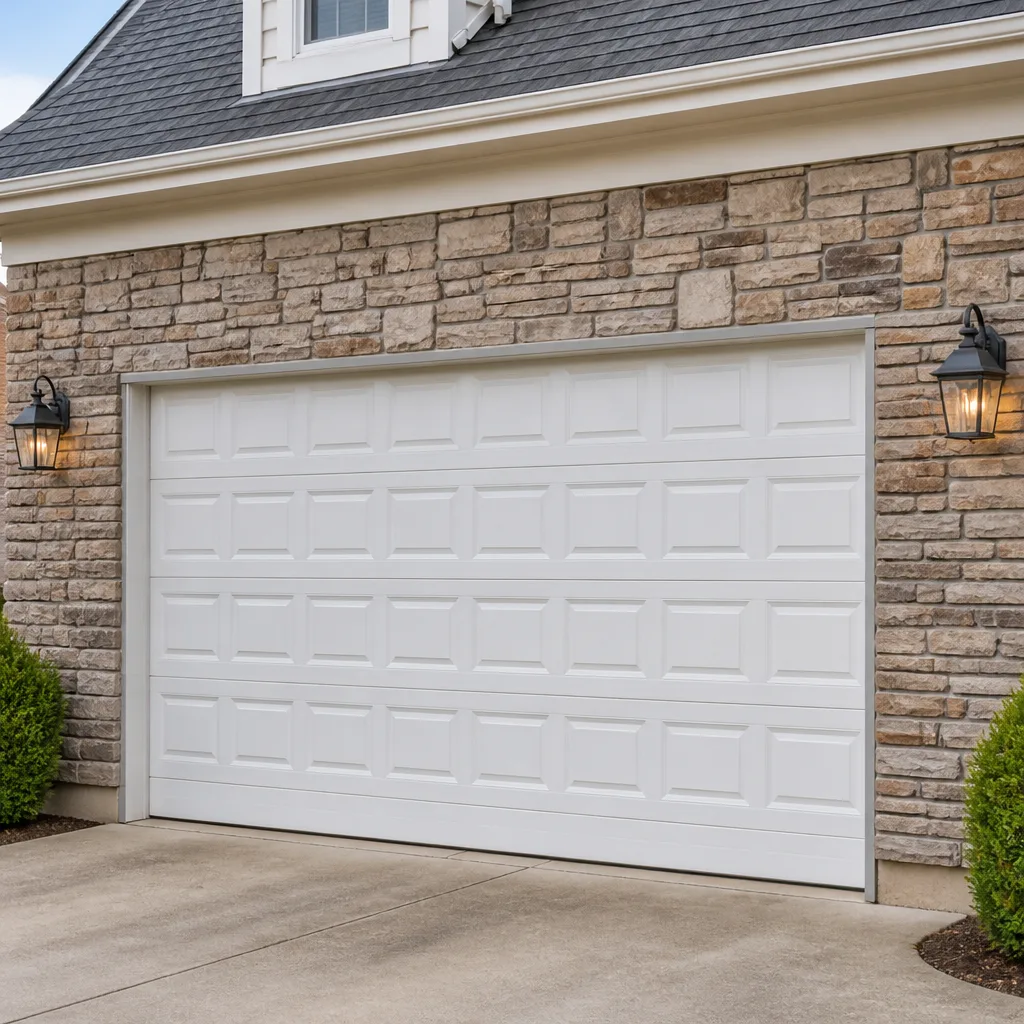 Raised-panel steel
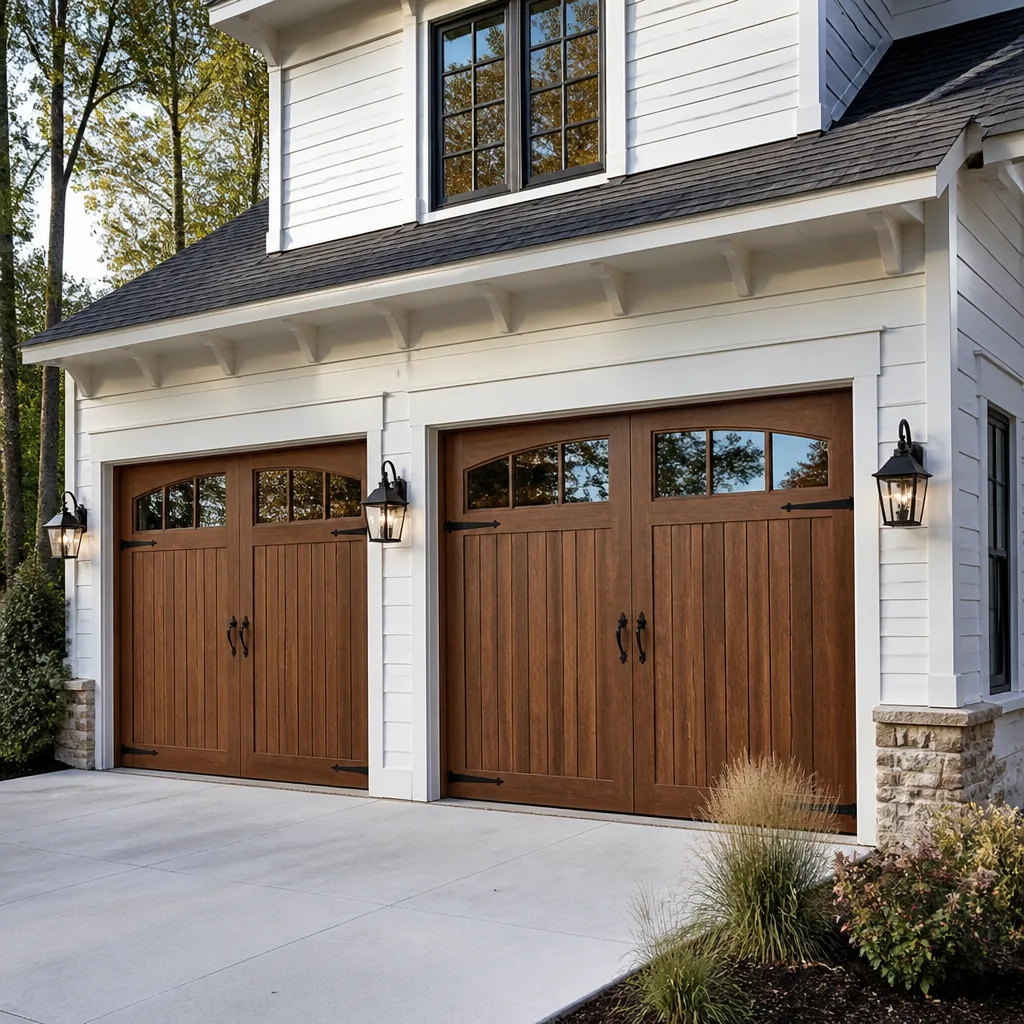 Carriage house
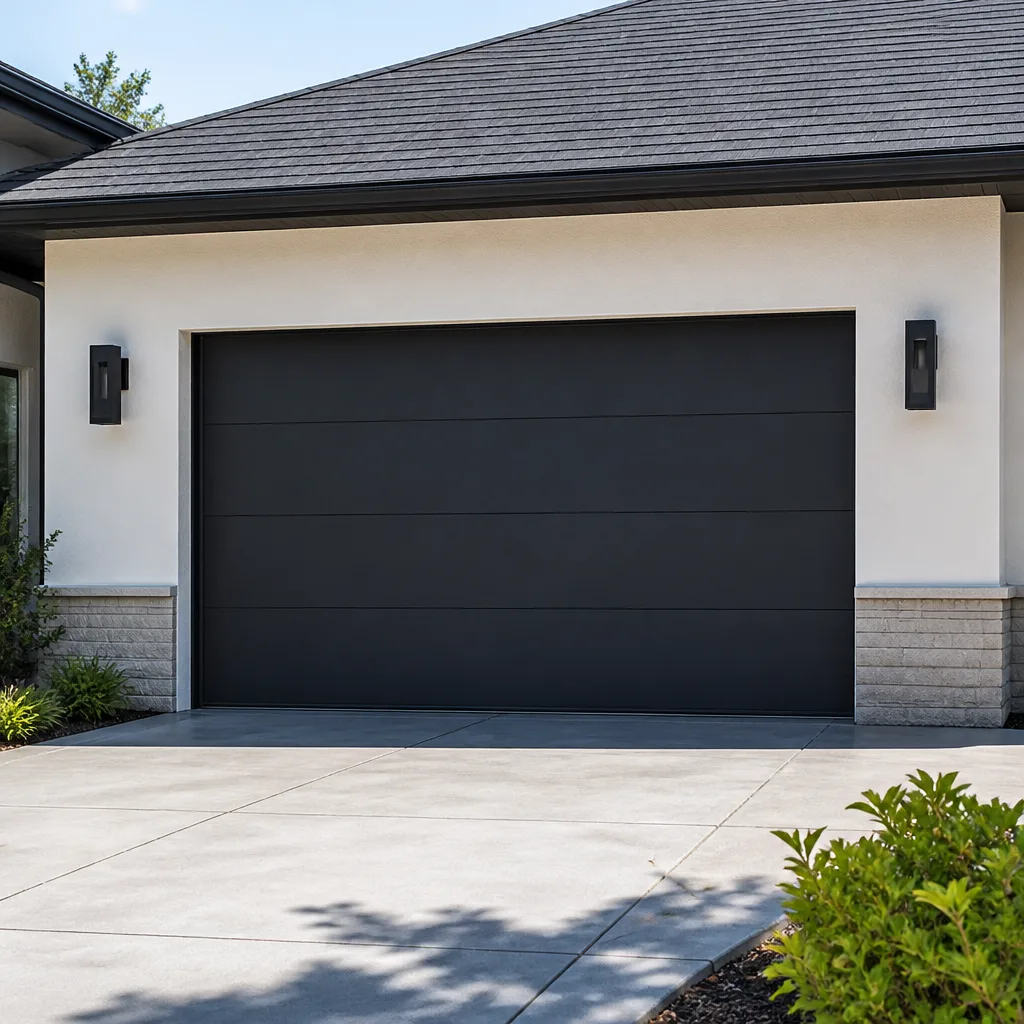 Modern flush
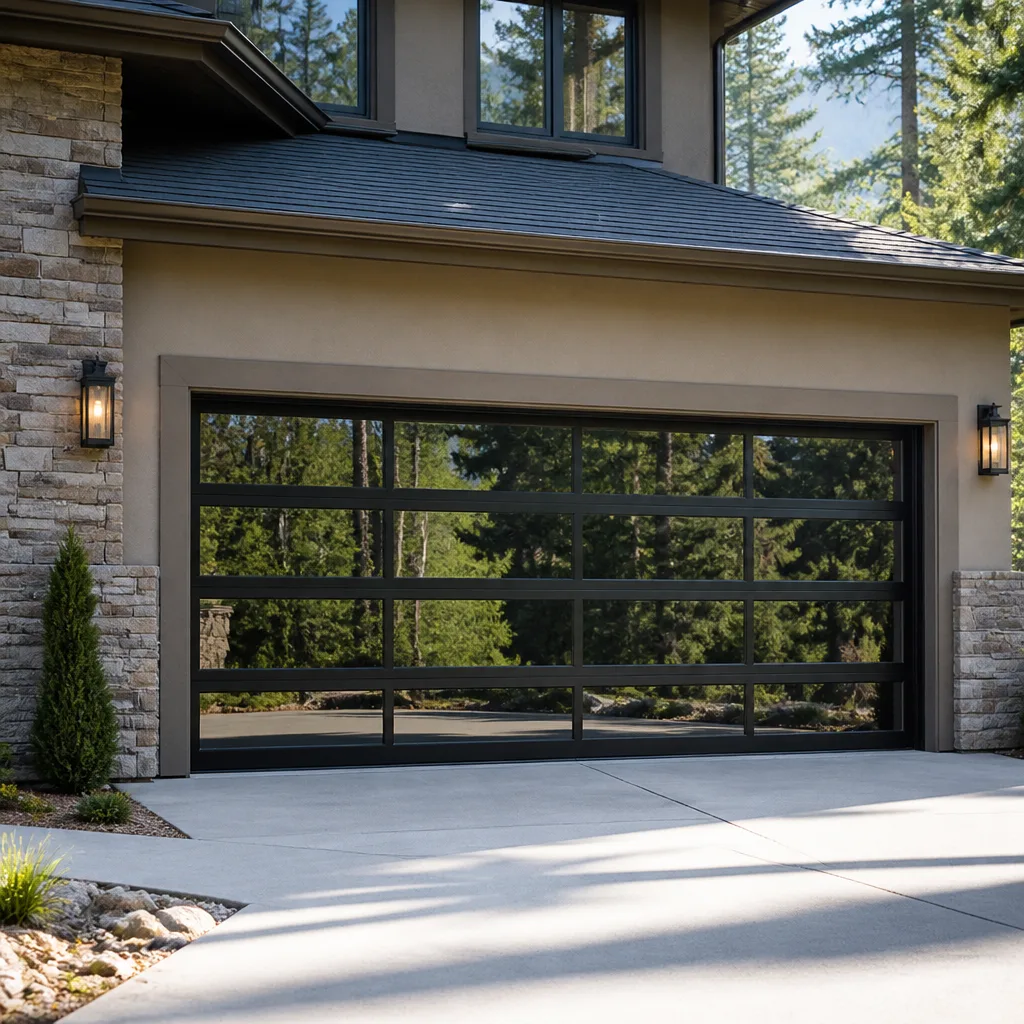 Full-view glass
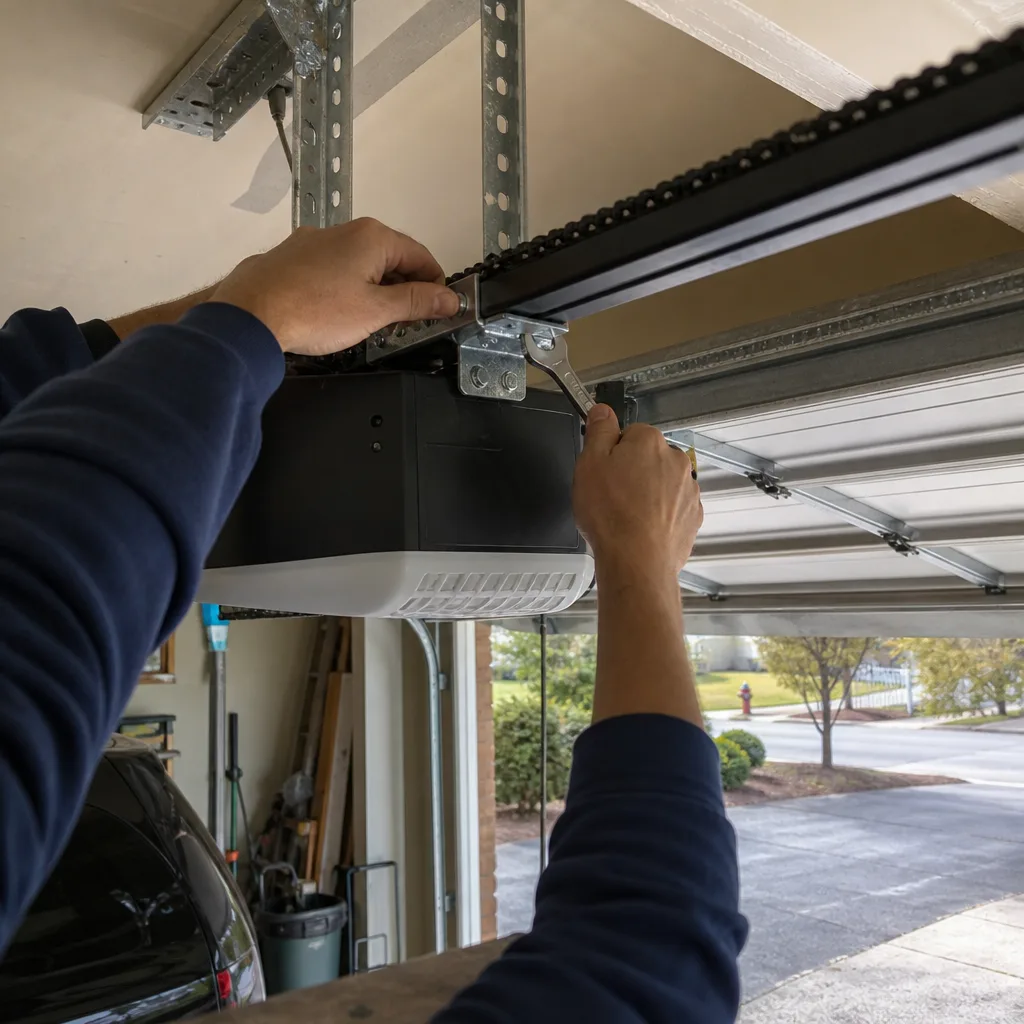
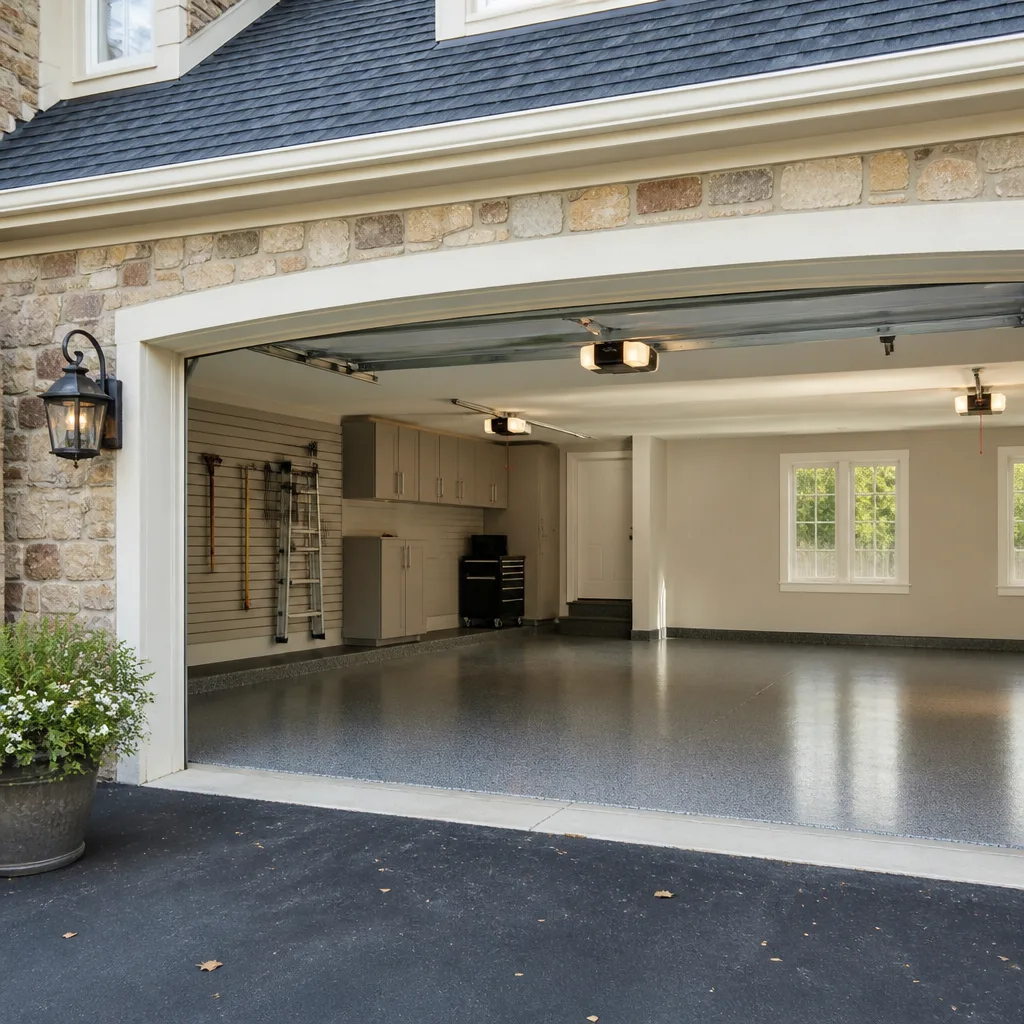 LiftMaster openers
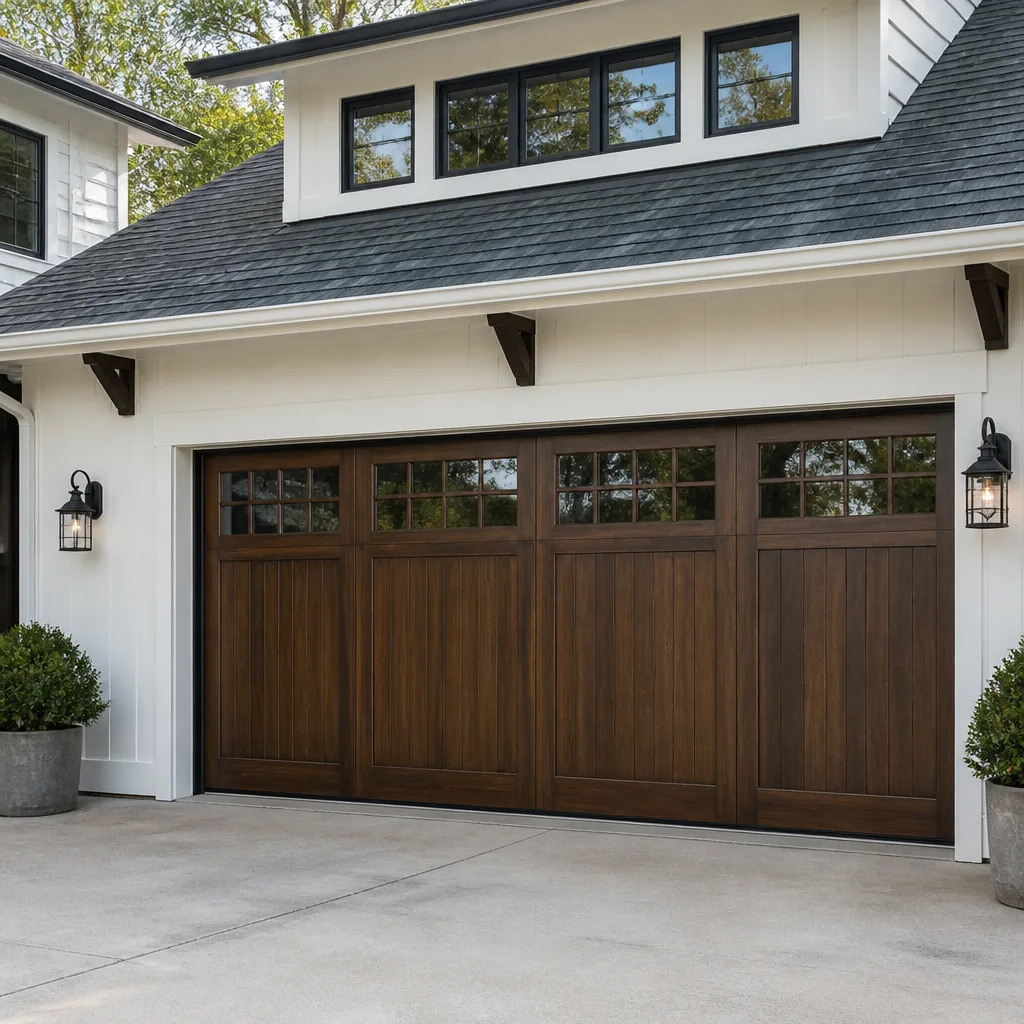 Chamberlain openers
Full 25-point door and opener safety check with every visit - springs, cables, rollers, tracks, and your LiftMaster or Chamberlain opener included
You get a price before we start. It does not change when the pro arrives.
Get your free estimateHow to Hire a Garage Door Contractor in Germantown: A Step-by-Step Guide
Maryland licenses home improvement contractors, but “garage door technician” is not a separately licensed trade in this state. That single fact trips up more Germantown homeowners than any other part of the hiring process. The person who shows up to work on a torsion spring carrying hundreds of pounds of stored tension may hold a valid contractor license for remodels and additions and still have never sized a spring in their life. What separates a trained spring specialist from someone who learned the job from a video is not the logo on the van. It’s the questions you ask before anyone touches the door. This guide walks through those questions, the license lookup that should happen first, and the quote language that decides whether a repair stays a repair.
Quick Answer
Hiring a garage door contractor in Germantown comes down to three steps most homeowners skip: verify the contractor’s MHIC license through the state’s public database, ask five technical questions that reveal whether they’re a multi-brand specialist or a generalist, and get the parts warranty, labor warranty, and callback policy in writing before work starts. The cheapest bid on spring work is the one most likely to fail early, and a handyman who treats torsion springs as routine is a bigger risk than a slightly higher quote from a specialist.
Styles & brands we work with
- Raised-panel steel
- Carriage house
- Modern flush
- Full-view glass
- LiftMaster openers
- Chamberlain openers
Table of Contents
- Why Hiring a Garage Door Contractor in Germantown Is Different
- Step 1: Verify the MHIC License Before Anything Else
- Step 2: Ask the Five Technical Questions
- Step 3: Read the Quote for These Red Flags
- Why Factory-Authorized Doesn’t Always Mean Best
- Contract Terms That Protect You
- Spring Work and Safety: What to Ask Before Anyone Touches the Door
- Side-by-Side Comparison: Specialist vs. Generalist
Why Hiring a Garage Door Contractor in Germantown Is Different
Germantown’s housing stock wasn’t built all at once, and that matters when you’re hiring. The older sections around Germantown Town Center and the neighborhoods off Father Hurley Boulevard hold doors that have been through decades of seasonal cycles. The newer developments out toward Milestone and Seneca Crossing came with builder-grade doors and openers installed around the same time, which means they often fail around the same time. A contractor who works regularly in Germantown has seen both.
The Mid-Atlantic climate adds its own pressure. Germantown summers bring heat and humidity that work on steel, wood, and the lubricant inside your opener’s gear assembly. Winters bring freeze-thaw cycles that move the ground and torque the door’s balance. Springs are rated by cycle count, so a door in a Germantown home that opens and closes six times a day burns through its cycle life faster than one on a quieter street. None of this is dramatic. It’s just the reality a good contractor accounts for when they look at your door and tell you how much life it has left.
What makes Germantown hiring decisions genuinely tricky is the market itself. You’ll find national dealer networks, independent local companies, general handyman services that add garage doors to their list, and online lead services that route your call to whoever pays for it. All of them can look the same on a search results page. The vetting steps below are what separate them.
Step 1: Verify the MHIC License Before Anything Else
Maryland’s Home Improvement Commission, part of the state’s Department of Labor, licenses home improvement contractors and issues a license number that begins with “MHIC.” Garage door work falls under the home improvement umbrella in this state, so any contractor taking on a paid project above the state’s threshold should be able to produce one. Here’s how to check.
- Ask for the license number in writing. A legitimate contractor gives it to you without hesitation. If they dodge the question or say “we’re licensed and insured” without a number, that’s your answer.
- Look it up on the state’s public database. The MHIC maintains a searchable license lookup on the Maryland Department of Labor website. Search by license number or company name.
- Confirm the status shows as active, not expired or suspended. An expired license is the quiet red flag. It means the contractor’s standing with the state has lapsed, which can affect your ability to pursue a complaint or claim against the state’s guaranty fund.
- Read the license name against the quote. If the license is under one company name and the quote comes on another company’s letterhead, ask why. Subcontracted or borrowed credentials are a real problem in this trade.
- Check that the license covers the work described. The license type tells you what the contractor is authorized to perform. If the scope on your quote doesn’t line up with the license, ask.
What an expired or missing MHIC license means for you: if the work goes wrong, your recourse is significantly narrower. You lose access to the state guaranty fund for home improvement work, and enforcing a contract against an unlicensed contractor is a fight most homeowners don’t win. Get the license number before you get the estimate. It’s the fastest five minutes you’ll spend in this process.
Step 2: Ask the Five Technical Questions
License status tells you the contractor is legally allowed to take your money. It doesn’t tell you whether they know what they’re doing on a garage door. These five questions close that gap.
1. “How do you size a replacement spring?”
A real answer involves wire gauge, inside diameter, and length, and possibly the weight of the door if the door tag isn’t legible. A generalist usually answers in color: “black spring” or “red spring.” That’s the sign they’re matching what’s on the door, not calculating what the door needs. Springs are engineered parts, not off-the-shelf accessories, and sizing them by look is how doors end up unbalanced or spring failure returns within the year.
2. “Do you stock parts on the truck?”
Some parts, yes, and most reputable contractors carry common springs, rollers, and hinges. But the answer here is nuanced. If a contractor claims to stock everything for every brand, they’re either overselling or they don’t realize how varied residential doors are. What matters is whether they can source the specific part for your door, and how long that typically takes.
3. “Which brands do you work on?”
A multi-brand specialist can name them. If you have a Wayne Dalton or a Raynor door, ask directly. If the answer is “we work on the brand you have,” that’s fine, but if the answer is “we only recommend replacing with a brand we sell,” you’re talking to a single-brand dealer. We service LiftMaster, Chamberlain, Genie, Clopay, Amarr, Wayne Dalton, Craftsman, and Raynor equipment, and we mention it here because the brand range genuinely matters. A specialist diagnoses the system in front of them rather than steering toward what they install.
4. “What’s the labor warranty, and what’s the parts warranty?”
These are separate. Ask for both, in writing. See the contract section below for what a reasonable answer looks like.
5. “What happens if the fix fails and I call you back?”
The callback policy should be stated clearly and in writing. A specialist will tell you exactly what window of time their labor warranty covers and what conditions void it. Vague reassurance here is a tell.
Step 3: Read the Quote for These Red Flags
Price is the last thing to evaluate, not the first. Once you have two or three written quotes from licensed contractors, read them side by side with these red flags in mind.
- Unusually low spring prices. A torsion spring carried above the door in a typical residential installation should land in a range you can sanity-check against other quotes. If one quote comes in dramatically below the rest while claiming the same spring, the most common cause is lower-cycle springs (cheap imports) under a commercial-weight label, or a labor scope that quietly excludes the second spring in a matched pair. Never accept a single quote that undercuts every other by half without asking what they’re leaving out.
- Vague labor line items. A real quote says what’s being removed, what’s being installed, and what the labor covers. “Garage door repair” on a line item with no breakdown is a quote you can’t compare. Ask for the line items.
- Same-day pressure to decide. A legitimate contractor will not tell you the price is only good if you sign today, or that they can only honor this rate if they start work immediately. Spring work is not an emergency sale. A failing spring puts a door out of service, which is urgent, but if you’re being pushed into a decision on the hood of a truck, that’s a sales tactic, not a service call.
- One “repair vs. replace” answer. If a contractor says the door needs full replacement on the first visit without explaining what specifically failed, get a second opinion. Repair-first is the right default for most residential doors.
- No written estimate, only a verbal. A verbal quote is a quote that can change. Ask for the number in writing before work starts.
- Cash-only, no invoice, or no physical business documentation. Maryland’s licensing system exists for a reason. A contractor who can’t provide invoicing, licensing, and proof of insurance in writing is a contractor you shouldn’t hire.
Why Factory-Authorized Doesn’t Always Mean Best
Factory-authorized dealers carry real value: warranty handling, manufacturer support, and technicians trained on that specific product line. If your door or opener is under a manufacturer warranty, a factory-authorized dealer often gives you the cleanest path through it. But “authorized” is not the same as “right for this job.”
Single-brand dealers make their margin on new installations. If your Clopay panel needs a hinge and a mullion, a dealer whose business runs on full-door replacements has a structural incentive to recommend a new door. That’s not necessarily dishonesty. It’s just the shape of the business. A specialist without a new-door inventory obligation can look at the same door and say, “Replace the hinge and the roller, and you’ll get years out of it.”
This is why repair-first specialists are the better call for anything other than genuine end-of-life replacement. We keep “same system, fully restored” as the default. When a door genuinely needs to be replaced, that’s a fair recommendation and we’ll tell you so. When it needs two hundred dollars of parts and forty minutes of care, we say that instead.
Contract Terms That Protect You
The written contract is where good intentions turn into enforceable protections. Before you sign, confirm all of the following appear in writing.
- Parts warranty, separately stated. The parts warranty covers the hardware itself: spring, opener, panel, hinge, roller. Ask how long it runs and whether it’s prorated.
- Labor warranty, separately stated. The labor warranty covers the technician’s work. These are frequently different durations and the two should never be conflated. If you see “one-year warranty” with no distinction, ask which one you’re getting.
- What voids the warranty. Most labor warranties are voided if another contractor touches the system, if the homeowner adjusts it, or if damage results from something outside the original repair. Get that list.
- Callback policy in writing. What’s the window for calling the contractor back at no charge if the repair doesn’t hold? What’s the response time? A specialist answers this without hedging.
- Total price, including disposal. Old springs, panels, and openers need to leave your property. Ask whether disposal is included or billed separately.
- Written description of scope. “Repair” is not a scope. “Replace both torsion springs, balance door, adjust opener limits, lubricate rollers” is.
If you’re comparing contracts across contractors, put them next to each other and look at what’s missing rather than what’s present. A quote that leaves out disposal and warranty details is telling you something about how the work will go.
Spring Work and Safety: What to Ask Before Anyone Touches the Door
Torsion springs store enough energy to break bones, and extension springs without safety cables can travel across a garage when they fail. This is the part of the hiring decision where a generalist’s confidence is most dangerous, because a person who has replaced one or two springs doesn’t recognize the variables: door weight, spring cycle rating, balance, cable condition, and drum angle.
Ask any contractor outright: “Do you do spring work as a regular service?” If the answer is hesitant, or if springs are something they “can handle if needed,” pass. garage door spring repair is a specialized service for a reason.
Ask what they check before the door goes back into service. A proper answer includes door balance, cable condition, roller condition, and opener force settings. If the door won’t stay at the halfway point when you lift it manually, the balance is off and the opener is doing work it wasn’t designed to do.
Do not attempt spring adjustment or replacement yourself, and don’t let a handyman who “does a bit of everything” talk you into it because it’s a quick job. It isn’t quick for someone who doesn’t do it regularly, and the failure mode is a serious injury.
Side-by-Side Comparison: Specialist vs. Generalist
Here’s what the difference looks like in practice, across the categories that come up most often in Germantown.
- Brand range: A specialist works across the brands you’re likely to have on your door (LiftMaster, Chamberlain, Genie, Clopay, Amarr, Wayne Dalton, Craftsman, Raynor). A generalist usually works on whichever brand they can source through their existing supplier.
- Emergency availability: Specialists offer emergency service as a core offering. Generalists typically fit garage door work around other jobs.
- Spring work: A specialist sizes springs to door weight. A generalist matches springs by color or whatever the local hardware store stocks.
- Repair vs. replacement: A specialist defaults to repair. A dealer defaults to replacement. A generalist may recommend replacement because they don’t want to do the repair.
- Warranty structure: A specialist separates parts and labor in writing. A generalist often offers one vague “warranty” line.
We’ve built Germantown Garage Door Repair Pros around the specialist model because this is the distinction that actually affects how a job goes. Our technicians have up to 14 years of experience, and they’re expected to answer the questions in this guide before they’re asked.
Common Mistakes to Avoid
- Skipping the MHIC lookup. Homeowners frequently confirm the contractor “is licensed” by accepting the word of the person on the phone. Take the two minutes to verify the number in the state database.
- Choosing on price alone. The lowest bid is the one that most often skips spring sizing, uses low-cycle springs, or leaves disposal as an extra. A quote is only comparable if the scope matches.
- Accepting a verbal “no problem” on spring sizing. Ask specifically how they’ll size the replacement. If they can’t describe wire gauge or door weight, don’t let them touch the system.
- Confusing a factory-authorized dealer with a repair specialist. Dealers have a new-door business to feed. If you’re not sure whether you need replacement, get a repair-focused opinion.
- Hiring the first person who returns your call. Germantown has enough licensed contractors that calling three is easy. Compare written quotes.
- Failing to get warranty terms in writing. Separation of parts and labor warranty is the single most common omission in garage door contracts.
- Treating a failing spring as a casual repair. A broken spring disables the door, and anything that puts the door back into service improperly puts anyone near it at risk. This is the point in the process where shortcuts do the most damage.
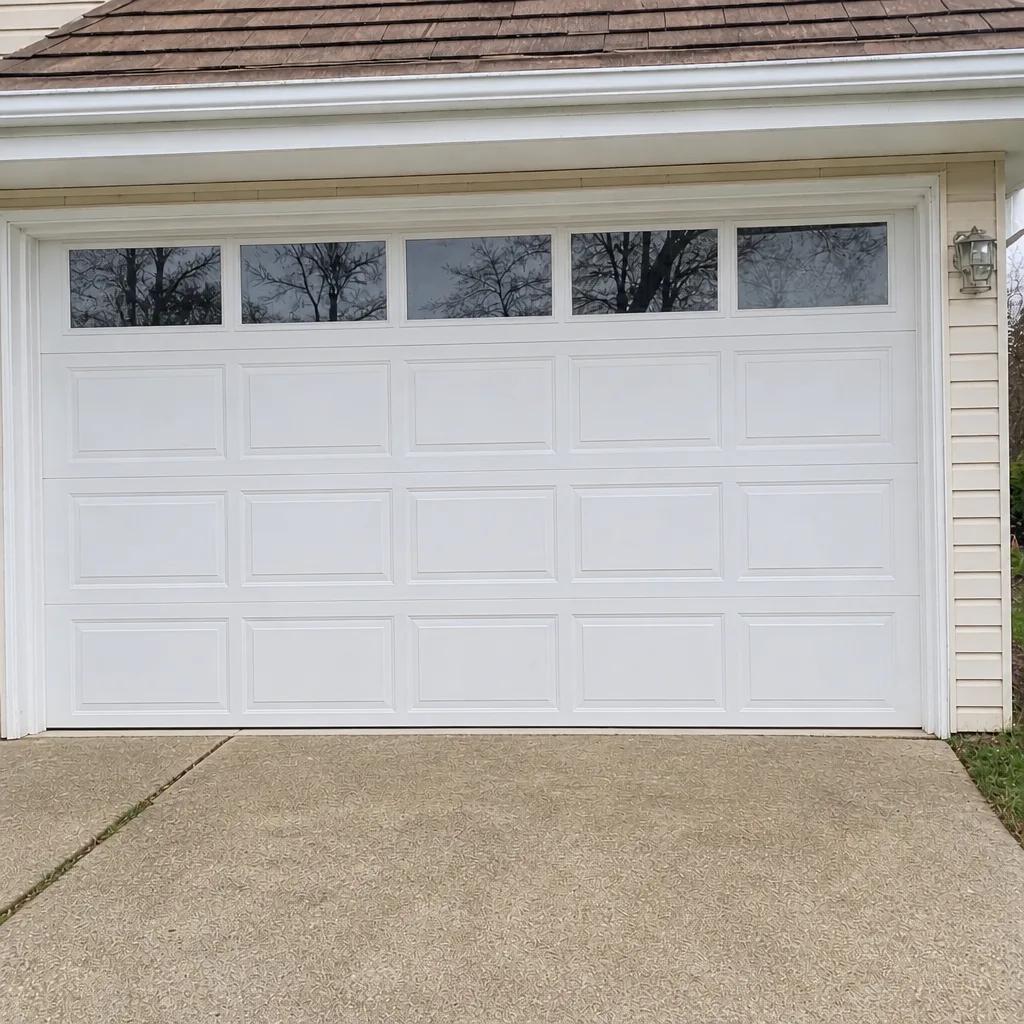
See the difference
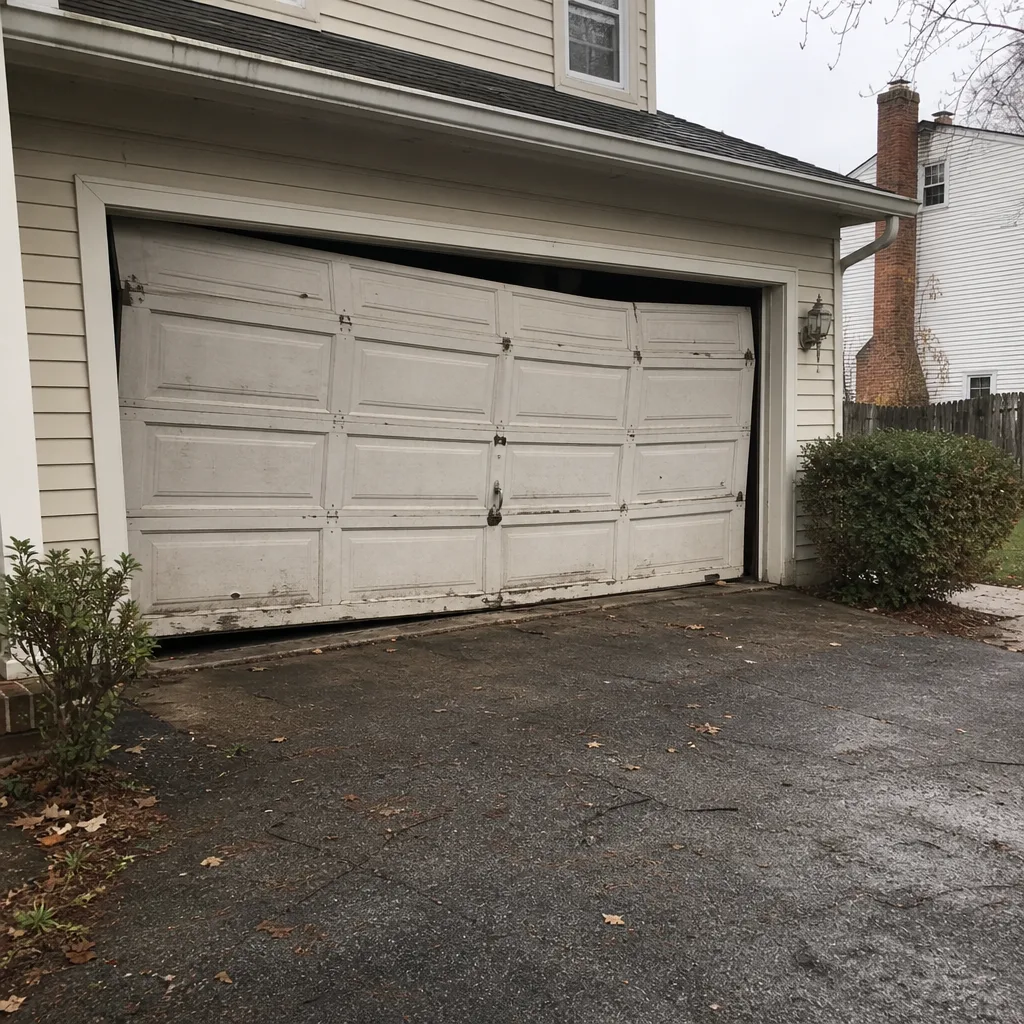 Before
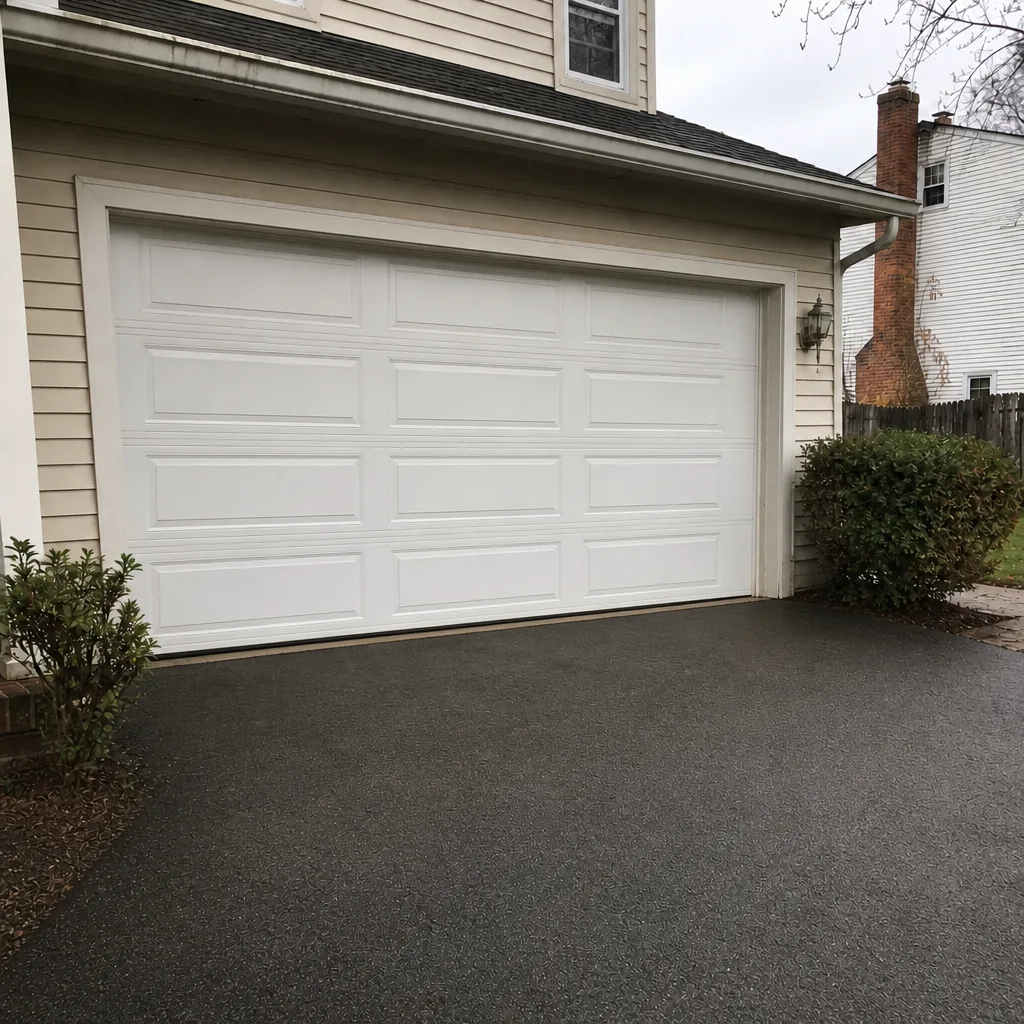 After
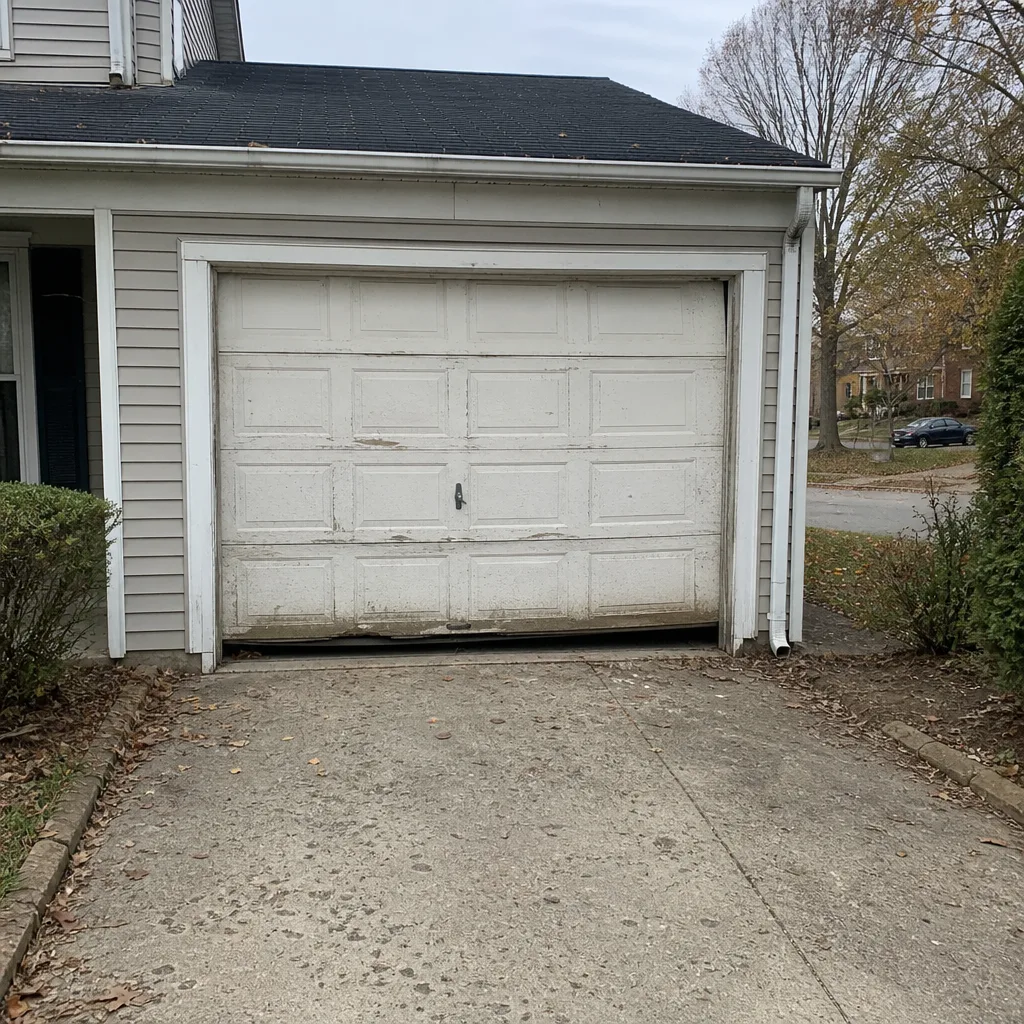 Before
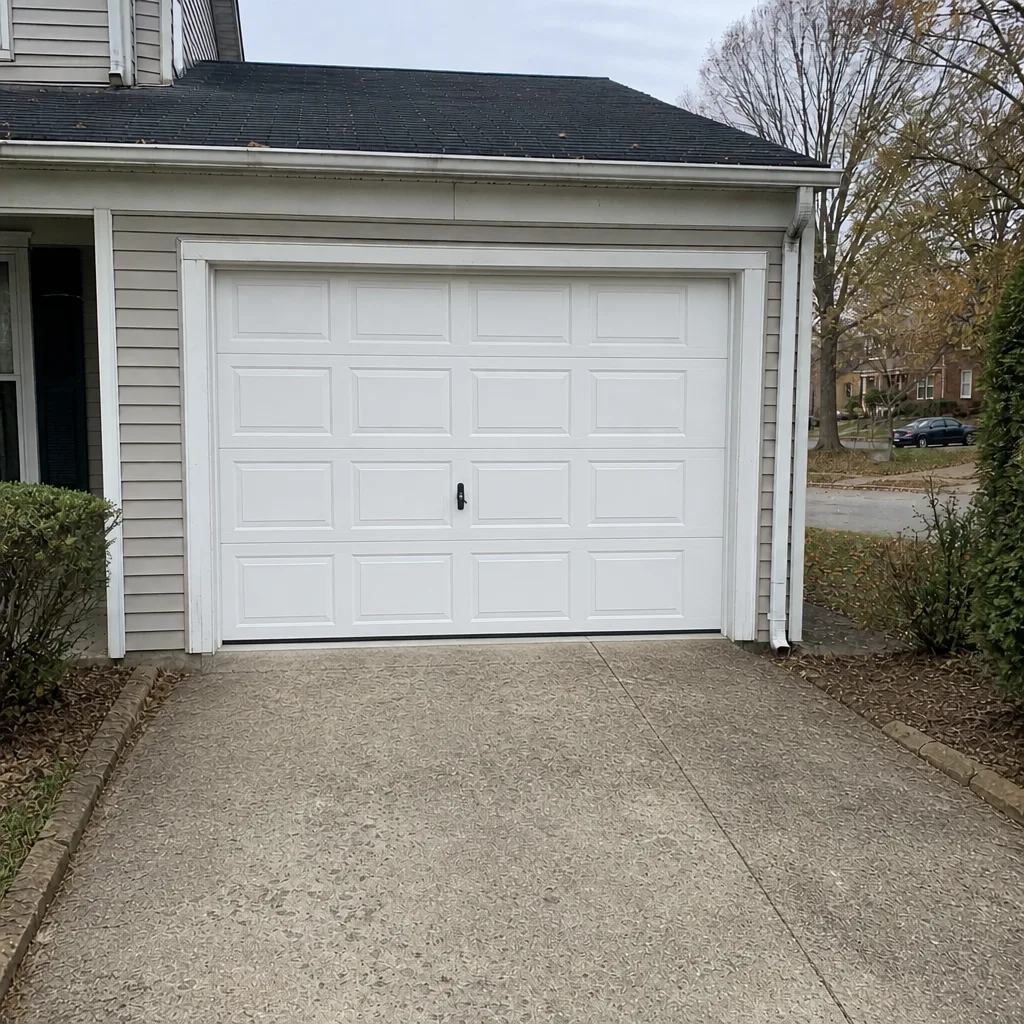 After
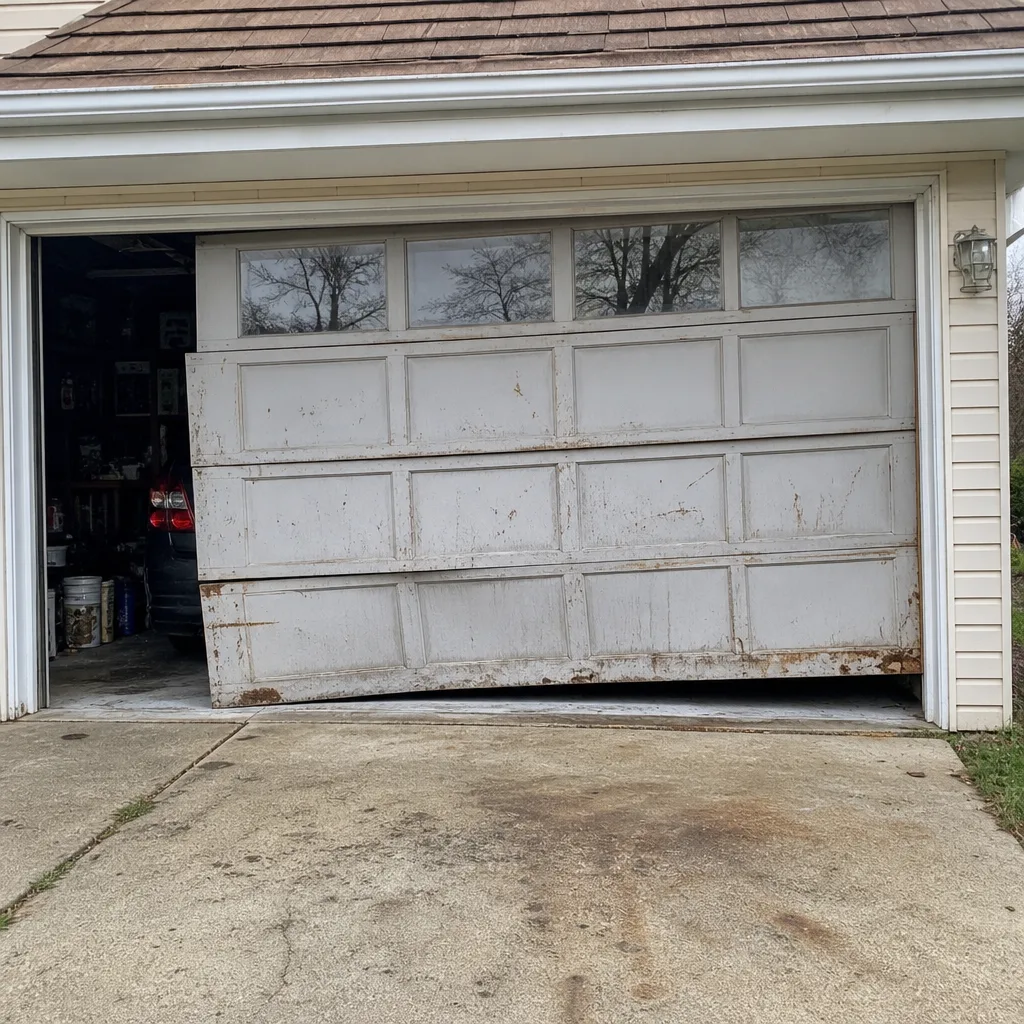 Before
 After
When to Call a Professional
Some garage door symptoms are annoying and some are urgent. Call a professional for any of these: a snapped torsion spring (the door won’t lift and the opener may strain), a door that’s come off its track (don’t operate it, call), a cable that’s visibly frayed or slack, an opener that reverses intermittently, a door that closes and reopens on its own, a door that visibly tilts or binds, or any situation where the door has trapped a car or left the house unsecured. Emergency scenarios and routine repairs are both on the table.
For repair work, same-day service and fast dispatch between 7am and 7pm are the standard. For a repair that fits that window, garage door repair can get you back to a working door quickly, and garage door opener repair covers the electrical side if the door itself is fine but the motor, safety sensors, or wall unit isn’t responding.
When it’s time to plan rather than react, that’s garage door installation, and it’s measured, ordered, and scheduled rather than same-day.
Frequently Asked Questions
Ask the contractor for their MHIC license number, then look it up in the Maryland Department of Labor’s public license search by number or company name. Confirm the status shows active and that the name on the license matches the name on your quote. If the license is expired, missing, or held under a different company name, don’t sign a contract. Call (844) 575-0084 for a free estimate from a contractor that will give you the license number without being asked twice.
Torsion spring repair typically runs in the low-to-mid hundreds per spring, and if you have a matched pair being replaced together, plan for roughly double the single-spring figure. Written estimates from at least two licensed contractors are the only way to compare accurately, because the range depends on the spring size, the door weight, and whether the work includes balancing and opener adjustment. Call (844) 575-0084 for an exact quote on your door – estimates are free.
No, and this is the biggest mistake we see in Germantown. Torsion springs store enough energy to cause serious injury, and someone who “does a bit of everything” typically lacks the sizing experience and tools to install them safely. Spring work should be done by a specialist who does it as a regular service, not occasionally. If the contractor’s answer to “do you do spring work regularly?” is hesitant, keep calling.
Not necessarily, because factory-authorized dealers make their margin on new installations and may see a new door as the better sale. If your door genuinely needs replacement, a dealer is a good call. If you suspect a repair will do, a repair-focused specialist is a better second opinion. Call (844) 575-0084 for a free estimate and a repair-first assessment.
Yes, and this is where a multi-brand specialist differs from a single-brand dealer. We service LiftMaster, Chamberlain, Genie, Clopay, Amarr, Wayne Dalton, Craftsman, and Raynor equipment, so the brand on your door is the brand we diagnose, not an obstacle. If you have a different brand, ask before booking so we can confirm.
A written estimate should list the specific parts being replaced, the labor scope, disposal of the old parts, the total price, and separate parts and labor warranties with the callback policy. If any of those is missing, ask for it before you agree to work. The quote should be agreed before any work starts, and it should never change mid-job without your consent. Call (844) 575-0084 for a free, itemized estimate.
The Bottom Line
Hiring a garage door contractor in Germantown comes down to verifying the MHIC license, asking five technical questions that let you tell a specialist from a generalist, and reading the written quote for scope, warranty, and callback terms. Skip any of those three and you leave yourself open to the two failures that cost homeowners the most: a low-ball spring that fails early, and a generalist who treats spring work as routine. A good quote is honest about what’s being replaced, priced against the door’s actual weight, and structured with separate parts and labor warranties in writing. That’s the standard to hold every contractor to.
For a free estimate on repair, opener work, spring replacement, or a new door, call Germantown Garage Door Repair Pros at (844) 575-0084. We’ll verify what your door needs, give you an upfront price, and agree it with you before any work starts.
Written by the team at Germantown Garage Door Repair Pros.