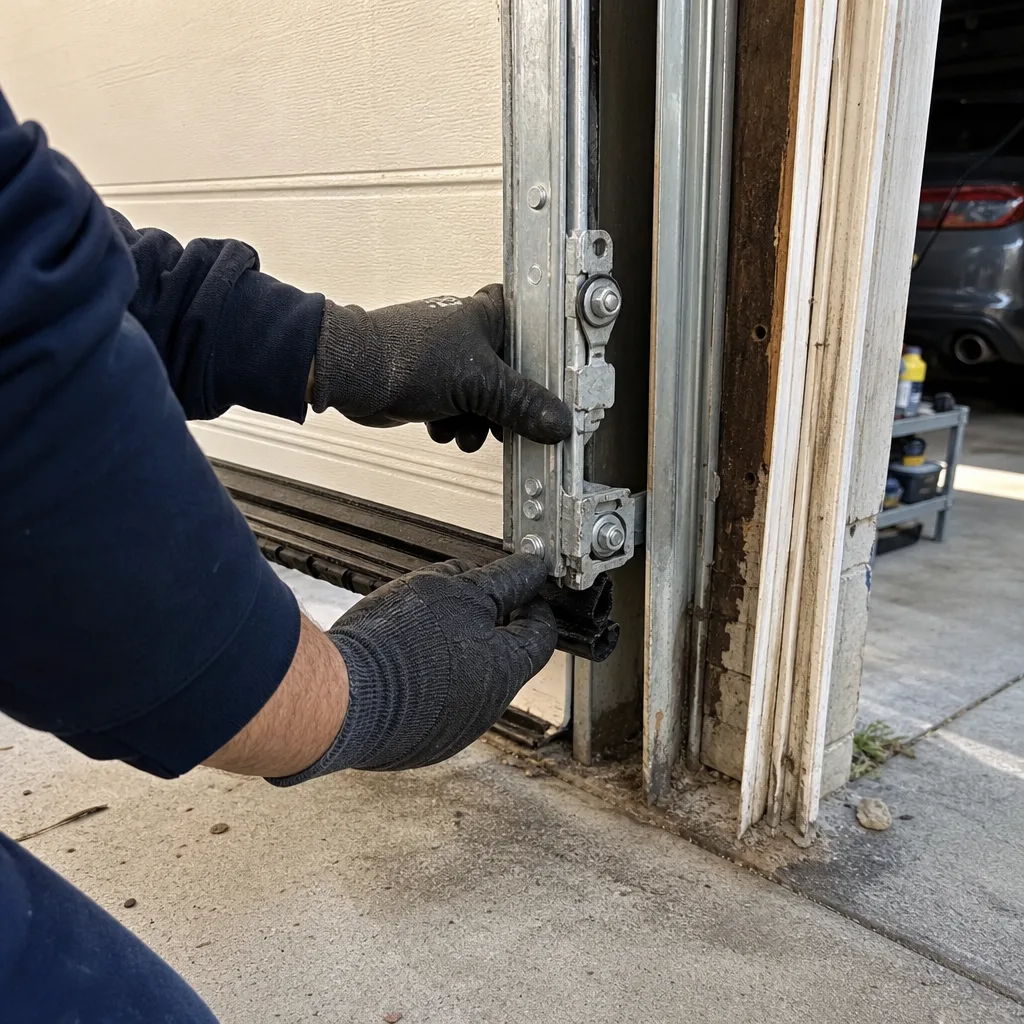
Last updated November 21, 2026
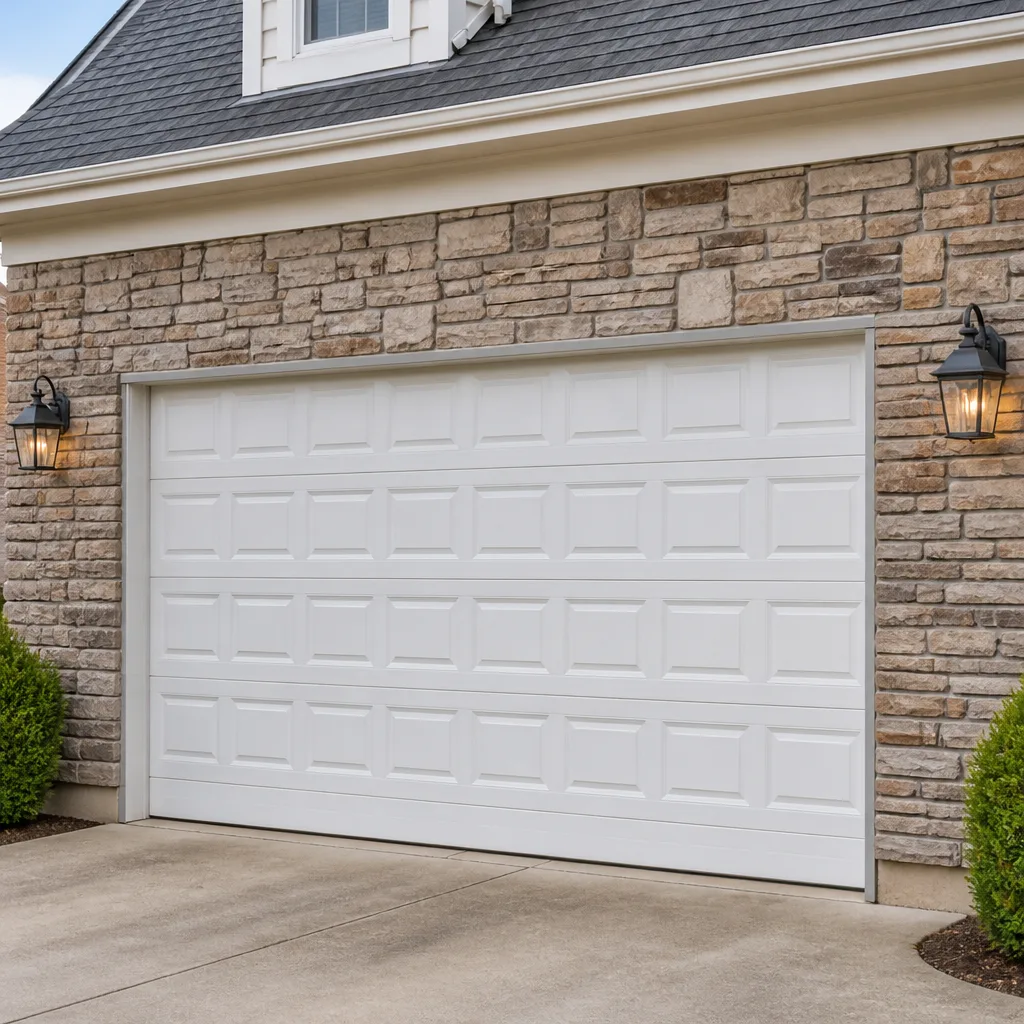 Raised-panel steel
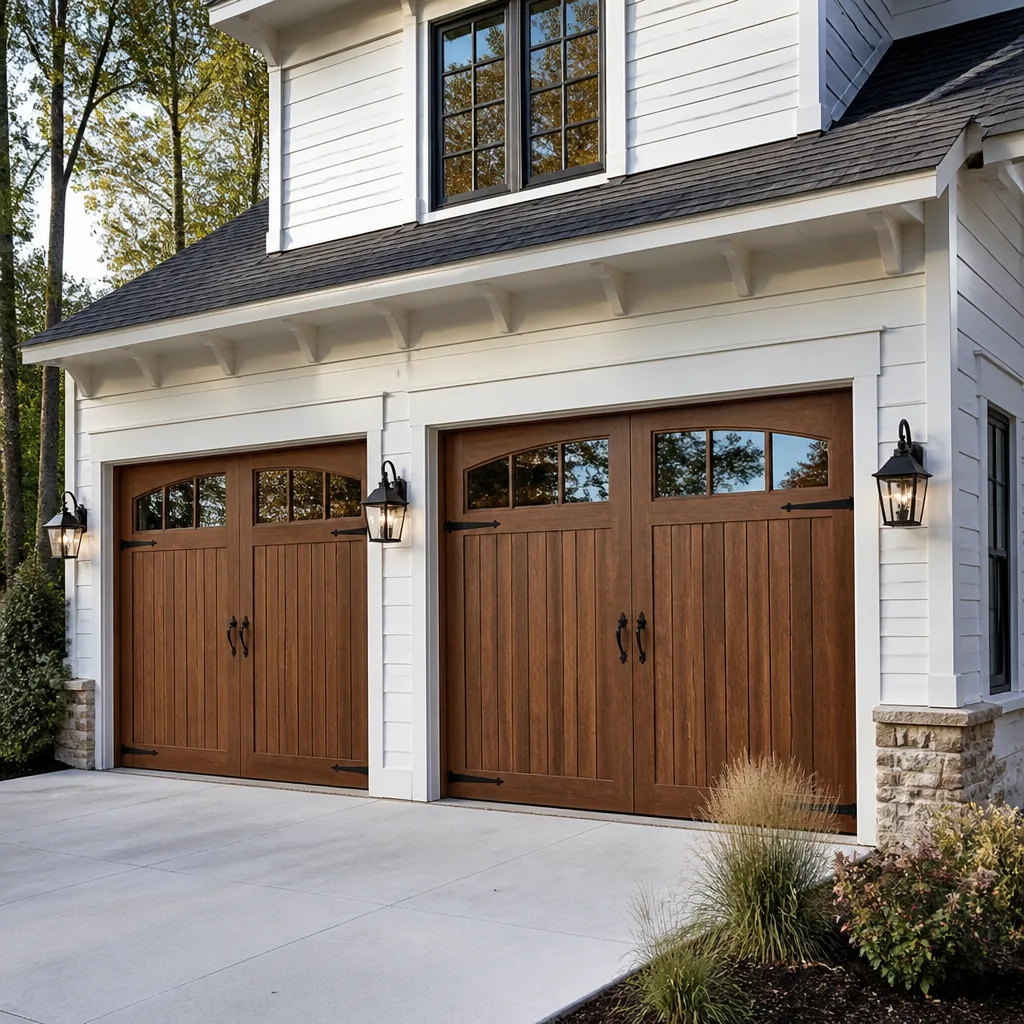 Carriage house
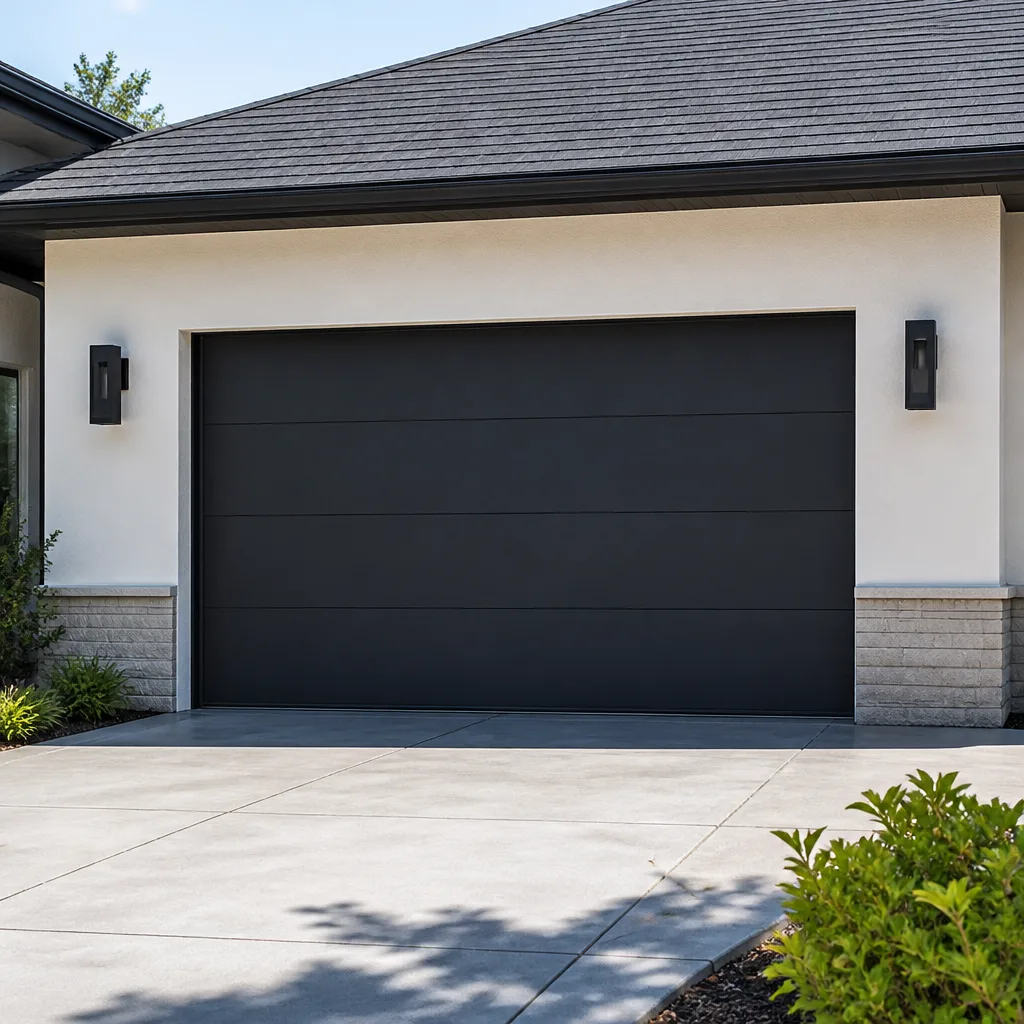 Modern flush
 Full-view glass
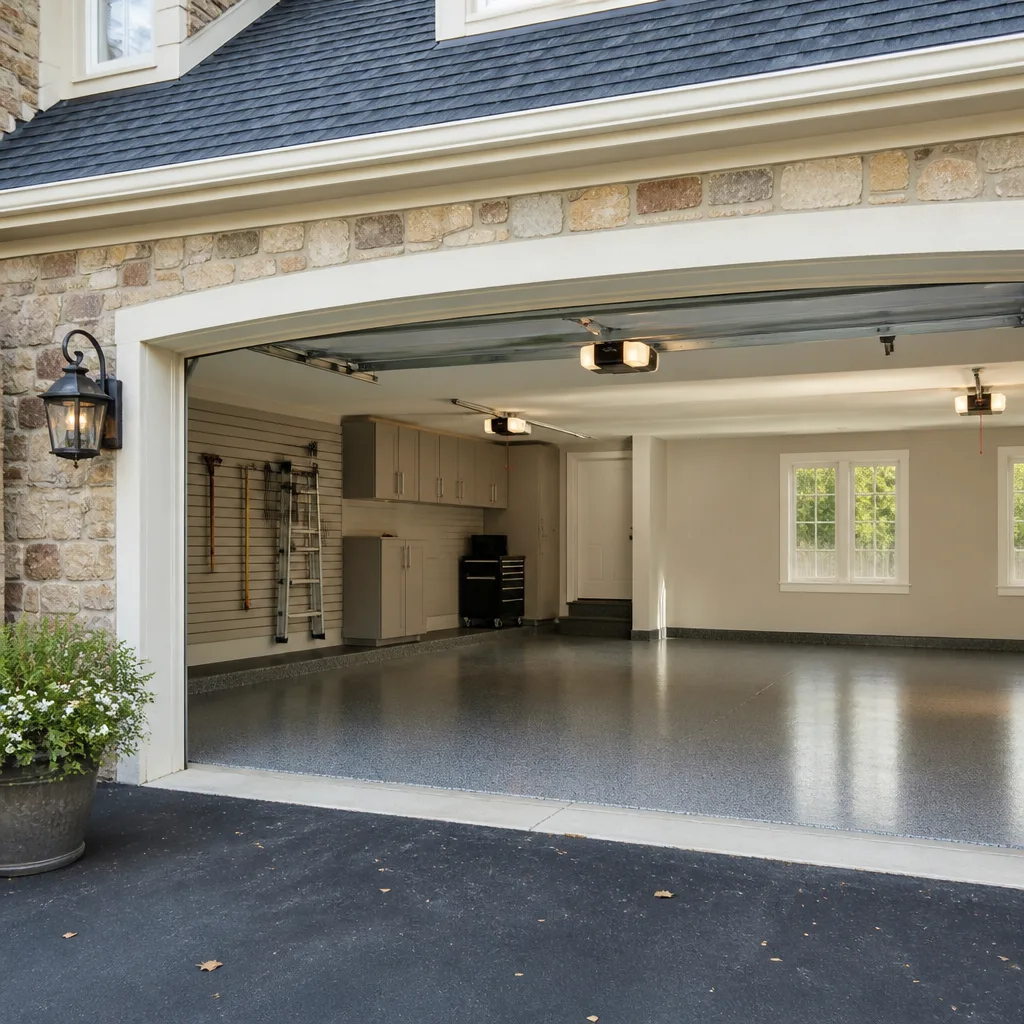 LiftMaster openers
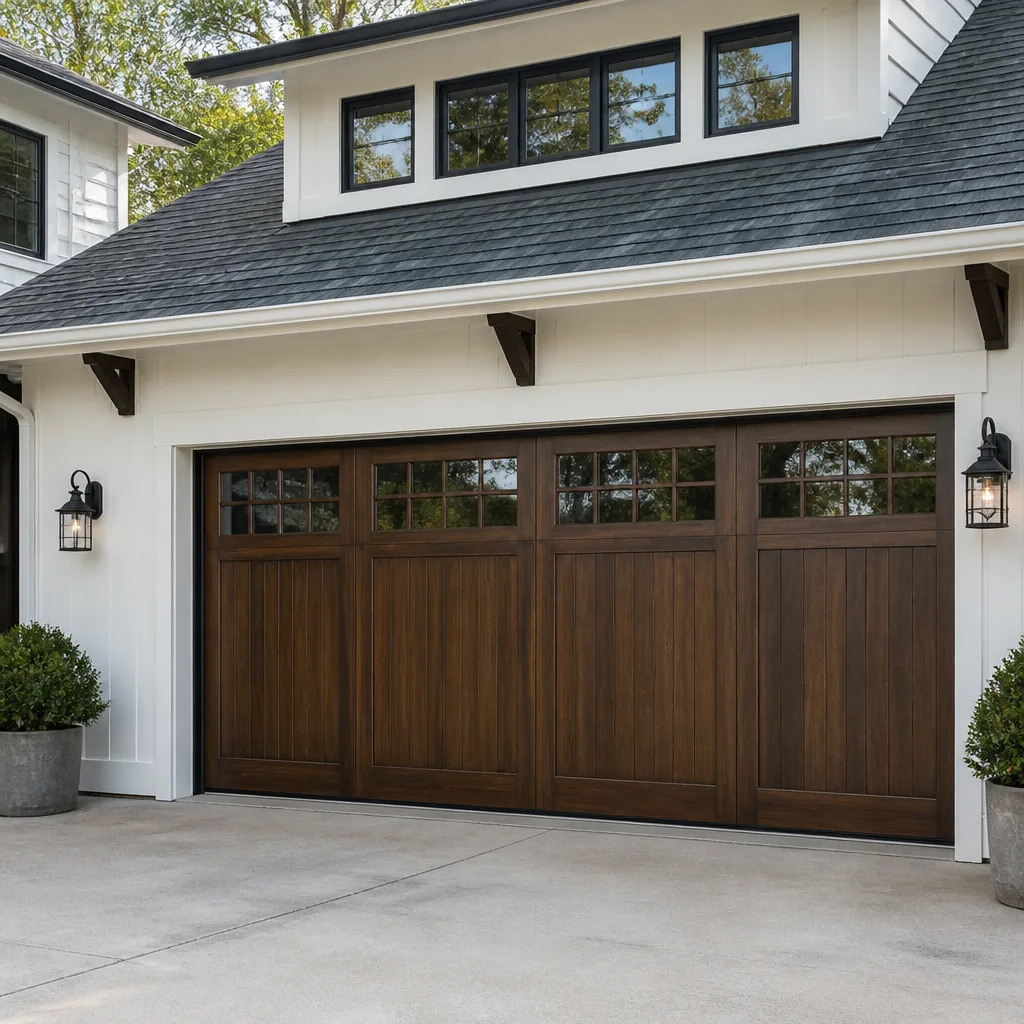 Chamberlain openers
Full 25-point door and opener safety check with every visit - springs, cables, rollers, tracks, and your LiftMaster or Chamberlain opener included
You get a price before we start. It does not change when the pro arrives.
Get your free estimateDIY vs Professional Garage Door: The Germantown Homeowner’s Decision Guide
Most advice about garage door repairs gets the question backwards. It asks whether you’re handy enough to fix the door yourself. The real question is which part of the door you’d be working on. A torsion spring that’s fully wound stores the equivalent of several hundred foot-pounds of torque, and releasing it without the right tools and technique is a mechanical event, not a matter of confidence. A weather seal, by contrast, is a twenty-minute job that saves you a service call. In this guide, we break the whole door down into tasks that are genuinely homeowner-appropriate and tasks where the risk climbs faster than the savings. We’ll also walk through how to diagnose the problem yourself so that any call you make to a Germantown professional is a precise one.
Quick Answer
Some garage door tasks are safe and cost-effective to do yourself: lubricating hinges and rollers, replacing the bottom weather seal, realigning safety sensors, and reprogramming a remote. Spring replacement, cable replacement, track realignment, and full opener installation are professional work because the stored mechanical energy, tension, and alignment tolerances create a real risk of serious injury and further damage. The dividing line isn’t your skill level; it’s which components can hurt you when they fail.
Styles & brands we work with
- Raised-panel steel
- Carriage house
- Modern flush
- Full-view glass
- LiftMaster openers
- Chamberlain openers
Table of Contents
- Which Garage Door Tasks Can You Safely Do Yourself?
- Which Garage Door Tasks Require a Professional?
- Why Torsion Springs Are Different From Every Other Home Repair
- Cost-Benefit Math for the Borderline Jobs
- What “I Watched a Video” Prepares You For – and What It Doesn’t
- How Germantown Weather and Housing Shape the DIY Decision
- How to Diagnose Your Door Before You Call Anyone
- When the Door Won’t Move: Emergency Decisions
Which Garage Door Tasks Can You Safely Do Yourself?
A meaningful share of garage door maintenance belongs in your own hands, and doing it protects the door and your wallet. These tasks don’t involve stored spring tension, overhead weight, or alignment that shifts under load. They’re also the tasks that prevent the expensive failures down the line.
What’s safe to handle yourself:
- Lubrication. A garage door has hinges, rollers, and a torsion tube that need periodic lubrication. A lithium-based or silicone spray on metal-to-metal contact points quiets a noisy door and slows wear. This is the single highest-value five minutes you can spend on the door.
- Bottom weather seal replacement. The rubber seal at the bottom of the door cracks and flattens. Slipping a new one into the retainer channel is a straightforward job and one of the clearest DIY wins.
- Safety sensor realignment. If the door reverses before it closes, the photo-eye sensors near the floor are usually misaligned or blocked. Straightening them and clearing debris fixes most of these.
- Remote and keypad reprogramming. If you’ve replaced a remote, moved into a home with an old code, or your opener lost its memory, reprogramming is a manual job, not a repair.
- Visual inspection. Looking at cables for fraying, rollers for flat spots, and hinges for cracks costs nothing and catches problems while they’re still small.
If you’re starting from scratch on what a healthy door looks and sounds like, our Germantown Garage Door Repair Pros guide to the full system is a good baseline. Once you know what normal looks like, the abnormal is easy to spot.
Which Garage Door Tasks Require a Professional?
These are the jobs where we’d tell a friend to stop. Each involves either stored energy that releases violently, overhead weight that can fall, or tolerances that must be exact for the door to operate safely. Roller and hinge replacement looks borderline and is easier to reason about, but anything touching the spring, cable, or track system belongs with a trained technician.
Tasks that require professional execution:
- Torsion spring replacement. Both the removal of a wound spring and the winding of a new one require specialized winding bars and a controlled, sequenced release. A spring that lets go under tension is the most dangerous event in the whole system.
- Extension spring replacement. Safer than torsion but still stores considerable energy and runs on cables under tension; a stretched spring under load is not a homeowner job.
- Cable replacement. Cables carry the door’s weight. A cable that snaps or slips releases the door, and a failed cable on one side can twist the other side of the door out of alignment.
- Track realignment. Tracks must be plumb and parallel within tight tolerances. A track that’s off by a fraction binds the rollers and can pull the door off its hinges.
- Opener installation and replacement. Mounting, chain or belt tension, travel limits, force settings, and safety reversal testing all have to be right; a misadjusted opener is a safety hazard.
- Panel replacement on a door that’s still under warranty. Handling panels before you understand the warranty terms can affect coverage on some brands.
Our garage door spring repair service exists precisely because this category of work shouldn’t be learned on your own door. Springs are the most dangerous component in the system, and they don’t offer a safe second chance.
Why Torsion Springs Are Different From Every Other Home Repair
Torsion springs are the only common household component that is under continuous mechanical load while at rest. That’s what makes them different from a stuck window, a leaky faucet, or a cracked tile. Most home repairs fail slowly. A torsion spring fails all at once, and the stored energy goes somewhere.
Here’s the mechanical picture. A fully wound torsion spring, one that holds a typical residential door in balance, carries roughly several hundred foot-pounds of torque. The spring is designed to hold that energy indefinitely because it’s held by the center bearing plate and the two end plates. To replace the spring, a technician has to unwind that stored energy in a controlled sequence, one quarter-turn at a time, using winding bars of the correct size. The bars are the failsafe. The typical homeowner doesn’t own a matched pair of winding bars of the correct diameter, and improvisation with a screwdriver or a pipe is where serious injuries happen.
Standard safety gear doesn’t mitigate this. Safety glasses, gloves, and a ladder protect against falls and debris; they do nothing about a spring that releases its energy. The failure mode is a spring that whips or snaps under load, and the protection is technique, not gear. Winding sequence, bar placement, and knowing when to stop are the safety. Those come from training and repetition.
That’s not a liability disclaimer. It’s the reason we treat spring work as its own discipline. If your spring has snapped, the door is likely sagging on one side and the opener is laboring. We’d rather you call than try. Our technicians have up to 14 years of experience with this component, and that’s exactly the work they’re trained for.
Cost-Benefit Math for the Borderline Jobs
Three jobs sit on the fence: roller replacement, bottom seal replacement, and panel dent repair. Each has a real DIY path, but the math is closer than it looks once you count parts, time, and the cost of getting it wrong. Here’s how we’d think about each.
- Roller replacement. The rollers themselves are inexpensive, but the door has to come off tension to replace them safely, and that puts you back into the spring system. A worn roller that lets go mid-cycle can bind the track. For a door with a torsion spring, this climbs into professional territory quickly. For a lighter extension-spring door, it’s borderline and worth a phone conversation.
- Bottom seal replacement. This is the clearest DIY win in the category. The part is cheap, the labor is light, and the retainer channel makes the swap mechanical. If the seal is cracked, replace it yourself. If the door is leaking and the seal looks fine, the problem may be the bottom panel or the threshold, and that’s worth a diagnostic call.
- Panel dent repair. Cosmetic dents on a steel door are almost never worth DIY repair; the repair is visible and the finish is hard to match. Panel replacement is a parts-and-fit issue, and on a branded door the right panel and color are a match to what’s on the home. A dent you can live with costs nothing; a dent you can’t costs a service call.
If you want a sense of what professional work actually costs before deciding, a few of our service pages break it down clearly: our garage door repair page covers the diagnostic work, and our garage door opener repair page covers the opener side.
What “I Watched a Video” Prepares You For – and What It Doesn’t
A good repair video will walk you through a standard setup on a standard door. The problem is that most Germantown homes don’t have a standard setup. A video shows you the sequence; it doesn’t prepare you for the moment when your door doesn’t match the sequence.
Here’s what a video usually teaches you: the order of operations, the names of the parts, the tools required, and the shape of the finished job. That’s genuinely useful. Here’s what it can’t teach you:
- Reading a mixed-vintage system. A Germantown home built in the 1990s may have an original Wayne Dalton track and a newer opener, or the reverse. The video assumes a matched system; your door is probably a mix, and the tolerances between components don’t always agree.
- Diagnosing the why, not the what. A video tells you to replace a roller. It doesn’t tell you the door was binding because the track was out of plumb, which is why the roller failed. You fix the symptom and chase the same repair again next year.
- Force settings and limit switches. Modern openers have to be dialed into the door’s actual weight. Getting these wrong is a safety issue, and the video can’t feel what the door is doing.
- Brand-specific fastener patterns and part numbers. Eight brands dominate residential installations here, and each has its own patterns. A Craftsman opener and a Raynor door need parts in different places than the video shows.
- When to stop. Video tutorials don’t know when your door is out of your hands. A trained technician does.
We work on LiftMaster, Chamberlain, Genie, Clopay, Amarr, Wayne Dalton, Craftsman, and Raynor, which means we can diagnose whatever’s already on the door without asking you to switch brands to get service.
How Germantown Weather and Housing Shape the DIY Decision
Germantown’s climate works the door hard. Summer humidity swells wood components, and winter cold contracts metal. The freeze-thaw cycle of a mid-Atlantic winter can lift the ground under the door slightly, shifting a bottom seal out of contact with the floor. Spring and fall bring pollen and grit that get into the tracks and rollers. The result is that our doors accumulate wear points that a Florida or Arizona door wouldn’t.
Housing stock matters too. Germantown has a wide range of ages. Homes from the 1980s into the 2000s are common, and many still have original doors and original openers. Original panels on a Clopay or Amarr door may need a specific replacement that matches the older profile, and original tracks on a Wayne Dalton door may need adjustment that newer tracks don’t. A homeowner working from a video tutorial on a modern door is working from the wrong reference for a home built thirty years earlier.
That’s why we recommend starting with a diagnostic conversation rather than an execution-method video. If you know what you have, the decision between DIY and professional becomes much clearer.
How to Diagnose Your Door Before You Call Anyone
The most useful thing a homeowner can do is a proper diagnostic walkaround. It takes ten minutes, it makes the repair conversation more precise, and it dramatically shortens the path from call to fix. Here’s how to do it well.
- Note the door’s behavior from the outside. Does it reverse before closing? Stops halfway? Opens slowly? Grinds? Write down what it does, then note when it started.
- Look at the springs. From a distance, with the door closed, look at the horizontal spring above the door (torsion) or the springs beside the track (extension). A visible gap in a torsion spring, or a stretched-out extension spring, is a clear signal. Do not touch a spring to test it.
- Inspect the cables. Look for fraying, kinks, or cables that are off the drums. Frayed cables are a sign the cables have been under increased load.
- Check the tracks and rollers. Look for flat spots on rollers, rollers out of the track, and tracks that aren’t straight. A track that’s bent is a professional repair.
- Test the sensors. Wave an object in front of each photo-eye. If the door doesn’t reverse, the sensors or their alignment are the likely culprit, and that’s often a DIY fix.
- Look at the opener’s status light. A blinking code tells you what the opener thinks is wrong. Note the pattern and the brand, and you’ve narrowed the problem before the first call.
When you call, tell us what you found, the door’s brand if you can read it, and the year the home was built. That’s the difference between a diagnostic visit and a guess. It’s also how we keep estimates accurate. Our technicians have up to 14 years of experience and they’ve seen the difference a good homeowner diagnostic makes.
When the Door Won’t Move: Emergency Decisions
If the door is stuck open with the house unsecured, or stuck closed with a car on the other side, the decision is simpler than it looks. Don’t force it. A door that’s off its track, or a door with a snapped spring, is not a door you can safely cycle by hand; forcing it can bend the panels, damage the opener, and turn a repair into a replacement.
What to do:
- Leave the door closed if the spring is visibly broken. The opener will pull hard against an unsupported door and burn itself out trying. If the door is already up, leave it up and secure the opening if needed.
- Disconnect the opener if you can. The manual release gives you the option to move the door by hand if the tracks are clear. Don’t if the door is off-track or the spring is broken.
- Call for service. Emergency repair is a core part of what we do, and having a trained technician on the call is the fastest way to get the door safe and the home secure again.
If the door is down and the spring is intact, a dead opener is the less urgent scenario; that’s a repair conversation, not an emergency one.
Common Mistakes to Avoid
- Trying to unwind a torsion spring with a screwdriver. The tool isn’t rated for the torque, and it’s how most spring-related injuries happen. If you don’t have winding bars, stop.
- Replacing a snapped spring with a mismatched one. Springs are rated for wire gauge, inside diameter, and length. A spring that looks close may not be correct, and the door will bind, the opener will strain, and the spring will fail early.
- Forcing a door that’s off track. The track can look slightly off and feel fine, but a door that leaves the track under load will damage the panels, the hinges, and the opener.
- Ignoring the sensors in favor of the opener. When a door reverses before closing, it’s usually the sensors. Replacing the opener when the sensors are misaligned is a wasted repair.
- Adjusting the opener’s force setting to make a binding door move. The force setting is not a fix for a track problem or a failing spring; it’s a way to burn out the opener faster.
- Skipping lubrication because the door “feels fine.” A quiet door is a maintained door. The noisy door is the one that’s already wearing.
- Treating a 1990s track system like a new one. The plumb and parallel of older tracks drifts, and the adjustment that works for a modern door can leave an older track binding. Track work belongs with a technician.
See the difference
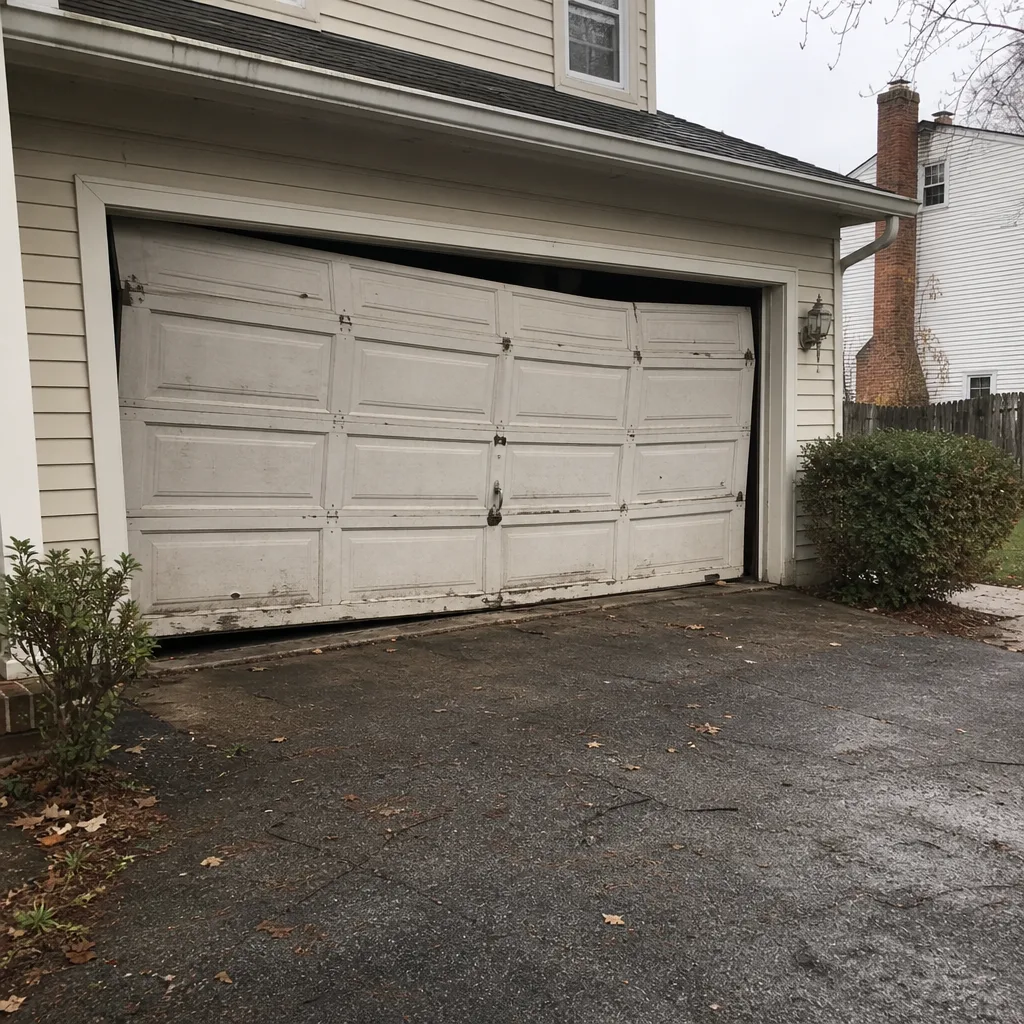 Before
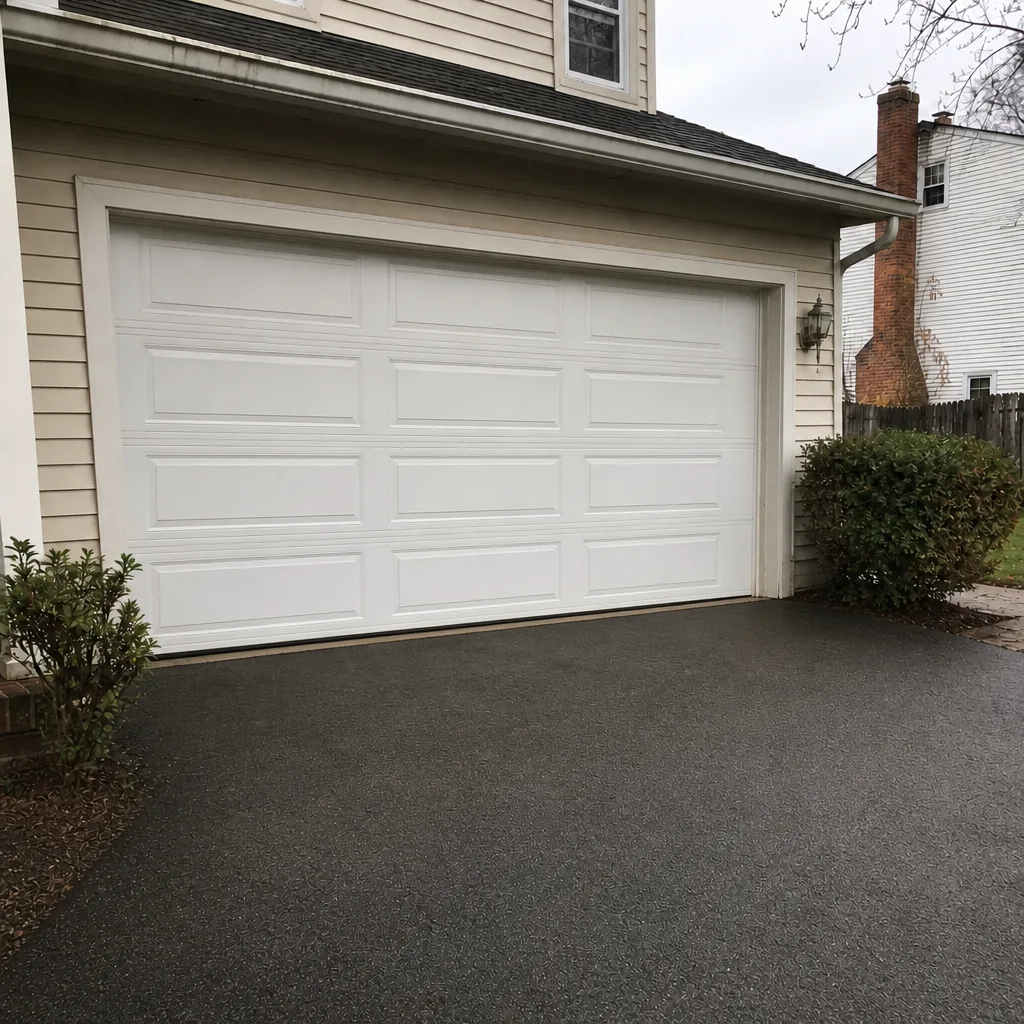 After
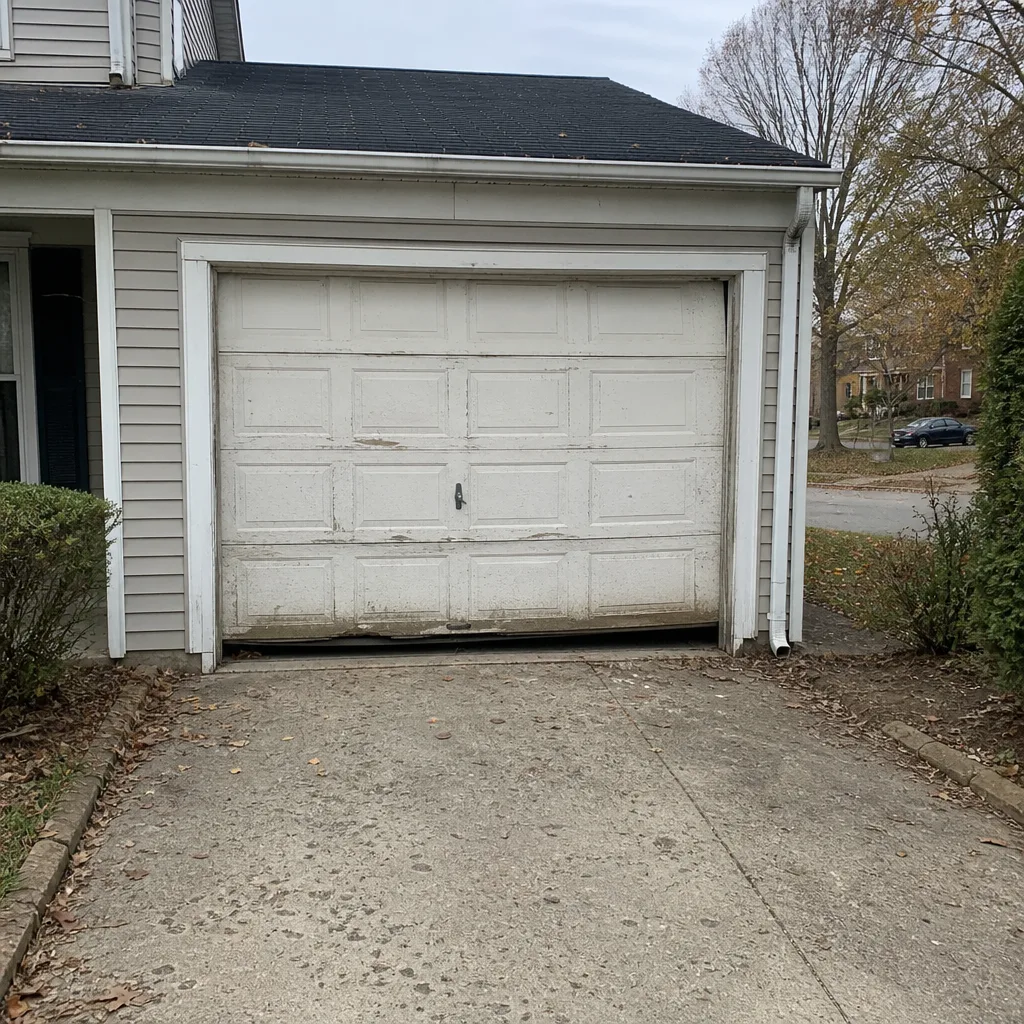 Before
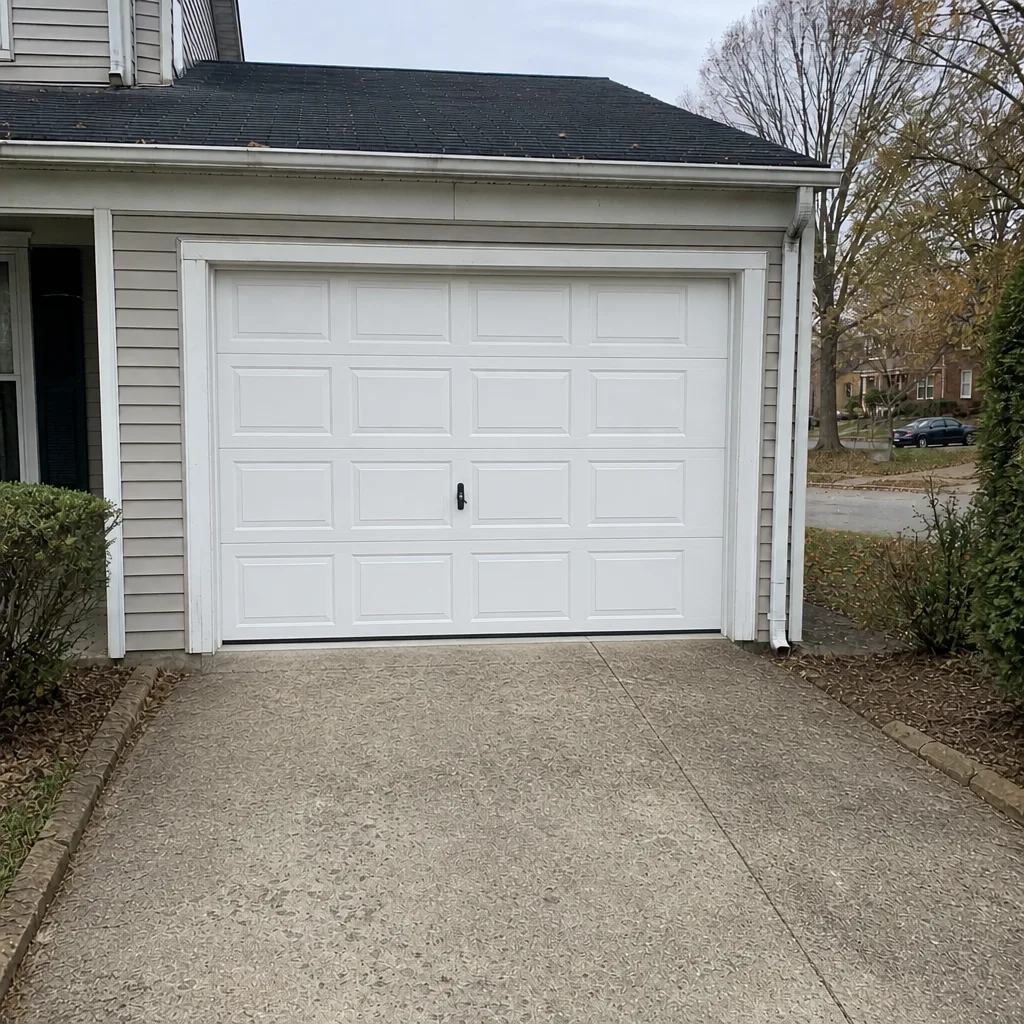 After
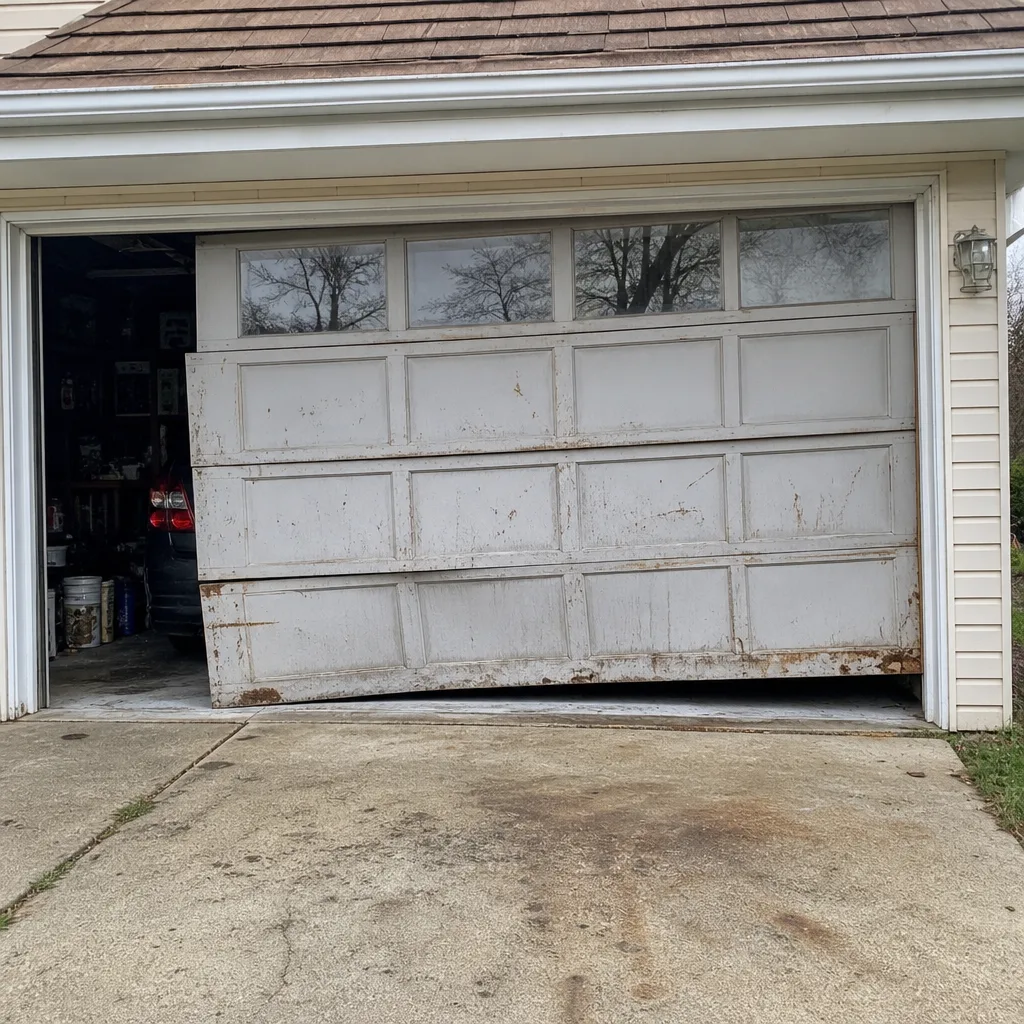 Before
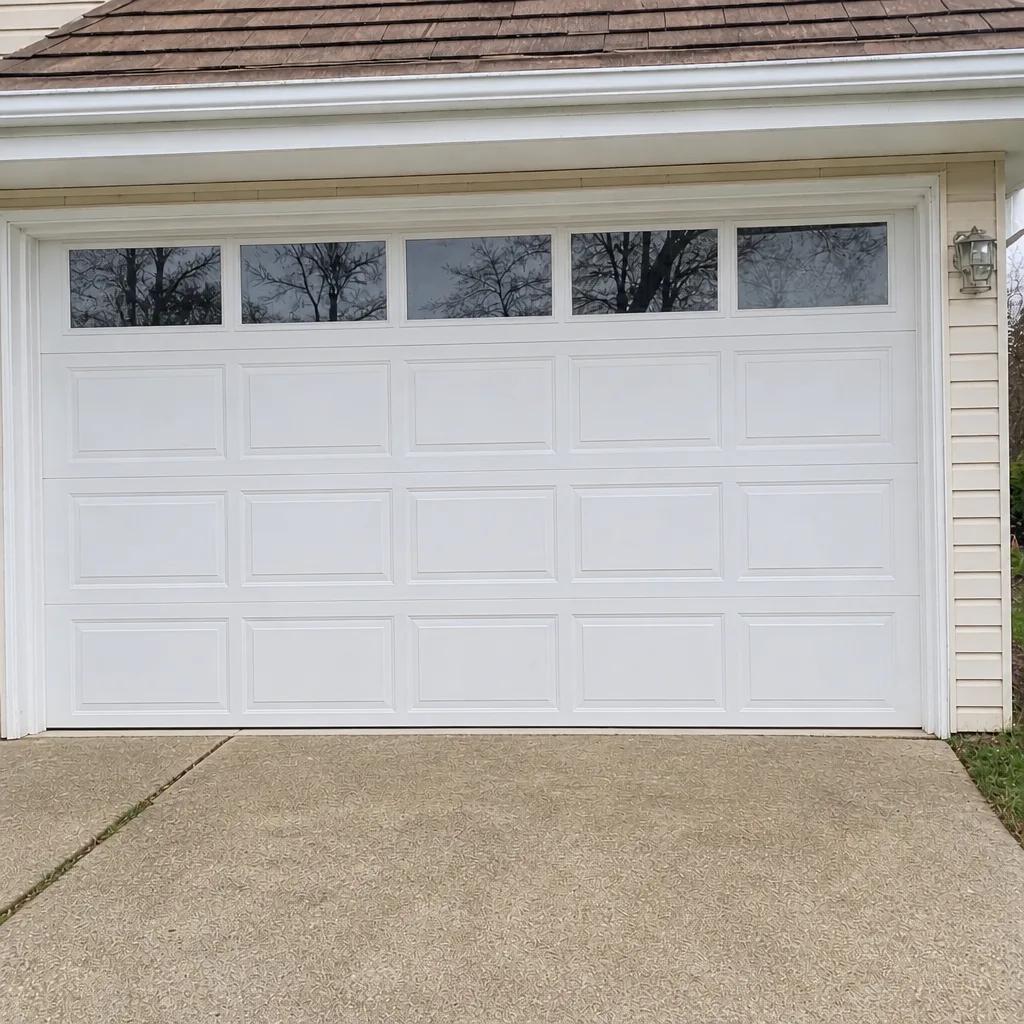 After
When to Call a Professional
Call a professional the moment the problem touches a spring, a cable, the track, or the opener’s internal settings. Those four are where the risk of injury, the risk of a chain of damage, and the risk of a misdiagnosed repair converge. If the door has stopped moving entirely, or if you can see a spring with a gap, don’t run it and don’t work on it. If the diagnostic walkaround points to sensors, remote programming, lubrication, or a weather seal, DIY is the right call, and we’ll be glad to have answered.
Germantown Garage Door Repair Pros offers free estimates in Germantown – call (844) 575-0084. Emergency service is available when the door won’t move, and our garage door spring repair service is a dedicated line for exactly the category that should never be DIY.
Frequently Asked Questions
Yes, for lubrication, bottom seal replacement, sensor realignment, and remote reprogramming. Those tasks don’t involve stored spring energy, overhead load, or alignment tolerances, and they’re genuinely cost-effective to do yourself. For anything that touches a spring, cable, track, or opener installation, the answer is no. Call (844) 575-0084 and we’ll walk you through the next step.
No. A fully wound torsion spring stores several hundred foot-pounds of torque, and releasing that safely requires winding bars of the correct size and a controlled unwinding sequence. Standard safety gear doesn’t reduce the risk because the hazard is mechanical, not debris. This is the one category we tell every homeowner to leave to a trained technician.
Tell us what the door is doing, when it started, the brand of the door and opener if you can read it, and the approximate age of the home if you know it. If you’ve done the diagnostic walkaround, share what you found. That conversation is how we keep the estimate accurate and the visit productive. The visit is free to estimate.
On simple tasks like a weather seal or sensor realignment, the savings are real and the job is quick. On spring, cable, or track work, the savings are usually smaller than the cost of a recurrence, and the risk is disproportionate. When the diagnosis points to a system component rather than a wear item, it’s time for a professional.
LiftMaster, Chamberlain, Genie, Clopay, Amarr, Wayne Dalton, Craftsman, and Raynor. That covers the opener and door brands most Germantown homes were built with, so you don’t need a brand-specific dealer appointment to get service on what’s already on your door.
If the spring is intact and the door is simply stuck, try the manual release on the opener and move the door by hand, provided the door isn’t off track. If the spring is snapped or the door is off its track, don’t force it; call (844) 575-0084 and we’ll get a trained technician out to get the door safe.
The Bottom Line
The DIY-versus-professional question isn’t a measure of how capable you are. It’s a measure of which components can fail in a way that hurts you. Lubrication, seals, sensors, and remotes are yours. Springs, cables, track, and opener installation belong with a trained technician, because the stored energy and the tolerances don’t forgive improvisation. In Germantown, where a wide range of home ages means a wide range of door systems, the diagnostic walkaround is the most valuable ten minutes you can spend. Do that part yourself, then make the call with a precise question rather than a vague one.
Contact
When the door won’t move, or when the diagnosis points to a job that shouldn’t be a DIY project, call Germantown Garage Door Repair Pros at (844) 575-0084 for a free estimate. We work your brand, repair first when the system can be restored, and cover the whole door from spring to opener to new installation.
Written by the team at Germantown Garage Door Repair Pros.