Last updated November 21, 2026
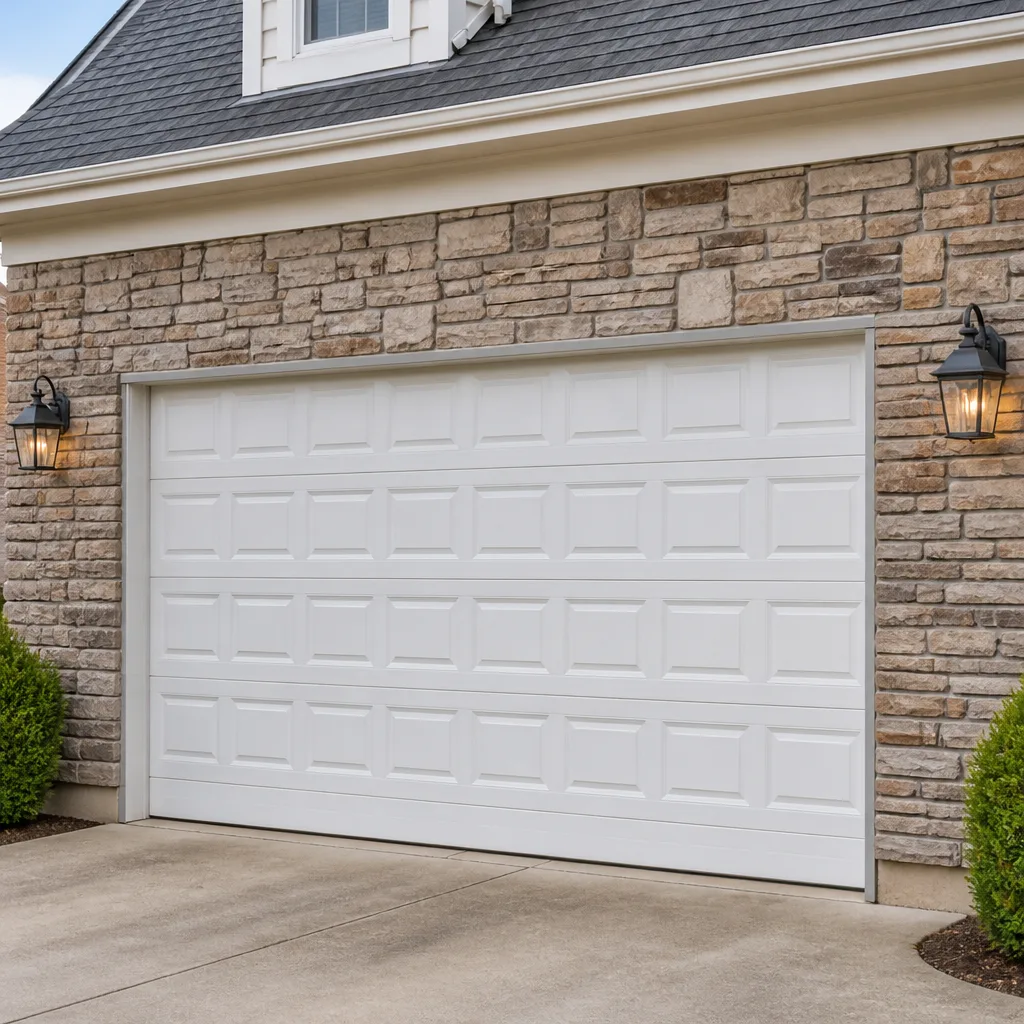 Raised-panel steel
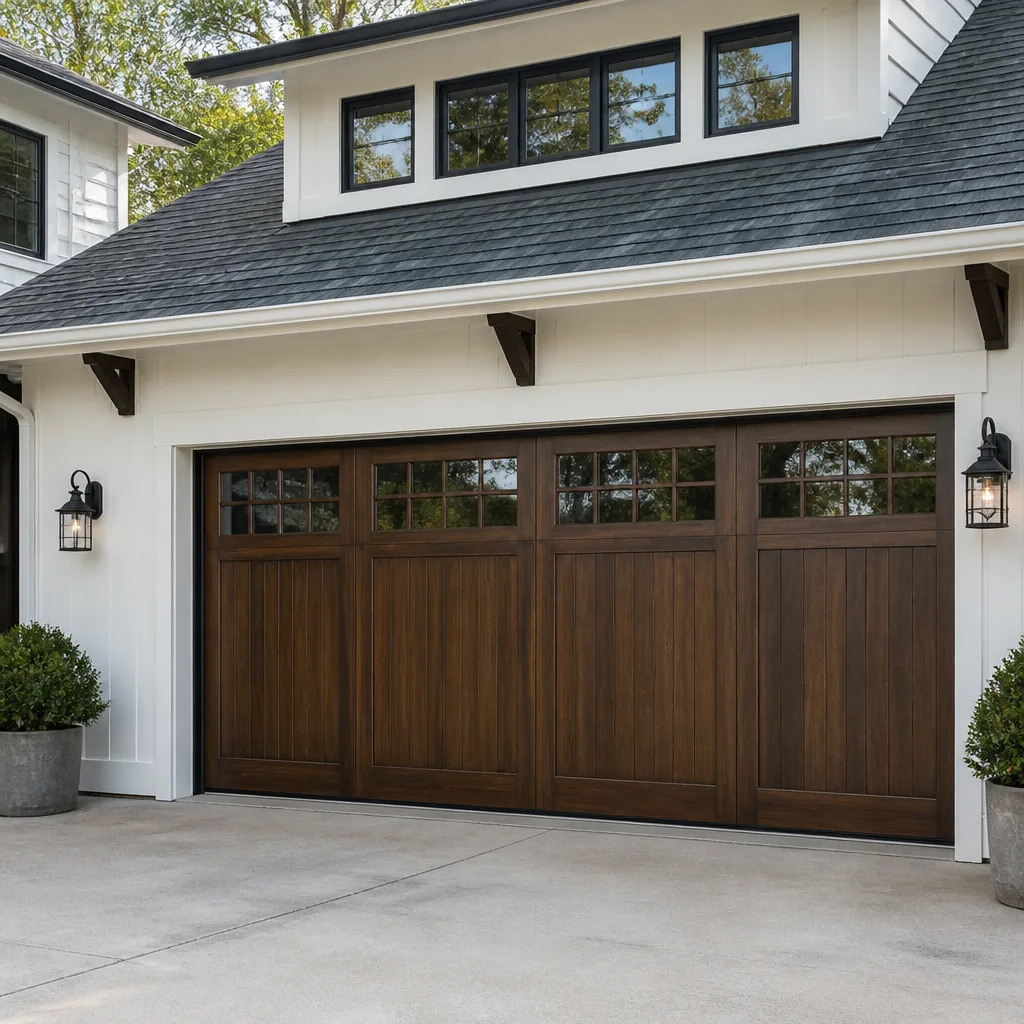
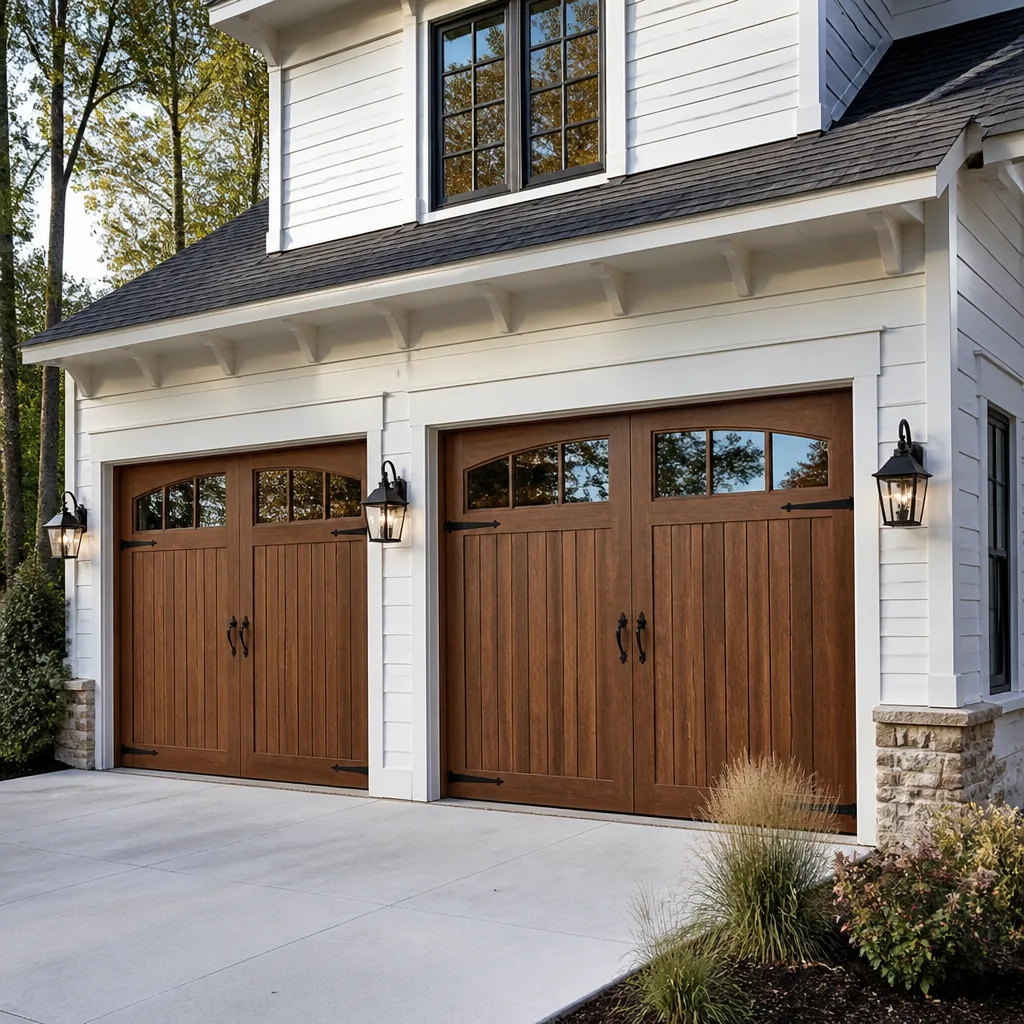 Carriage house
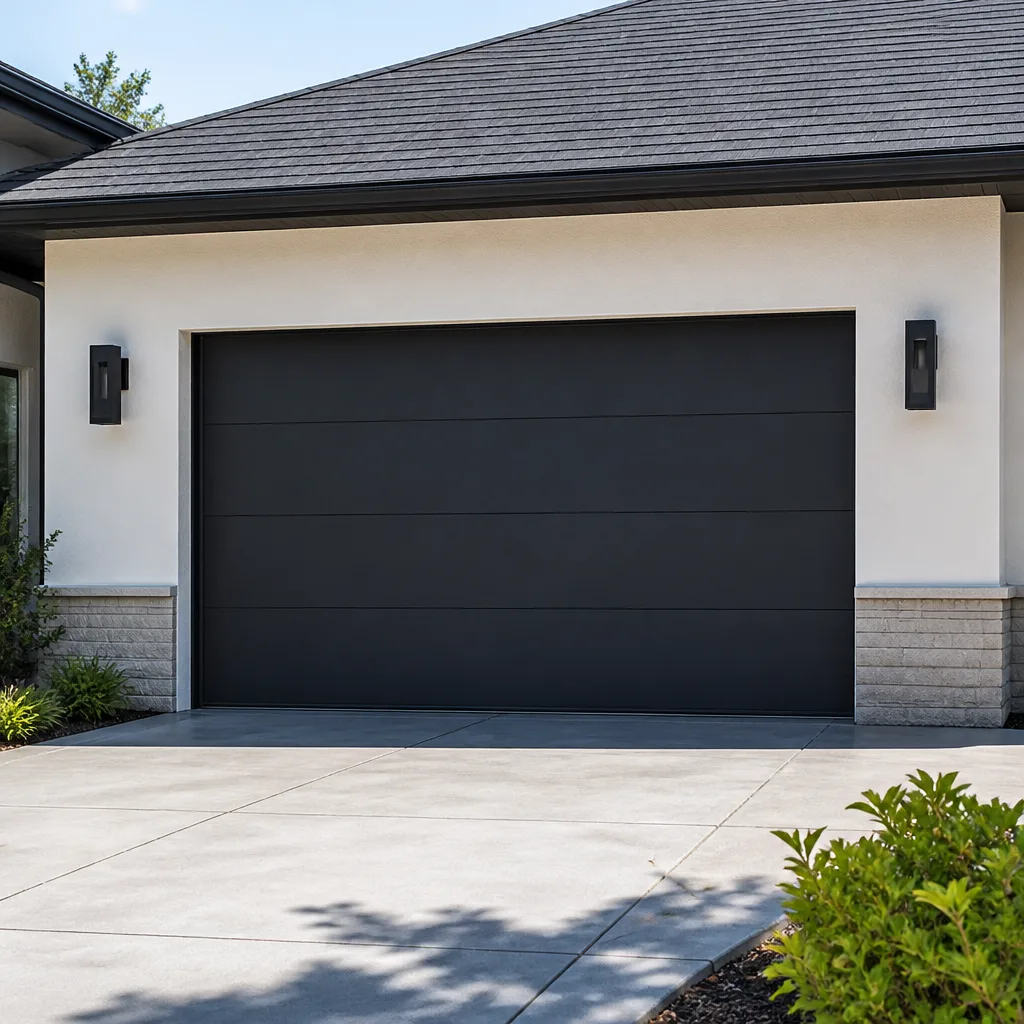 Modern flush
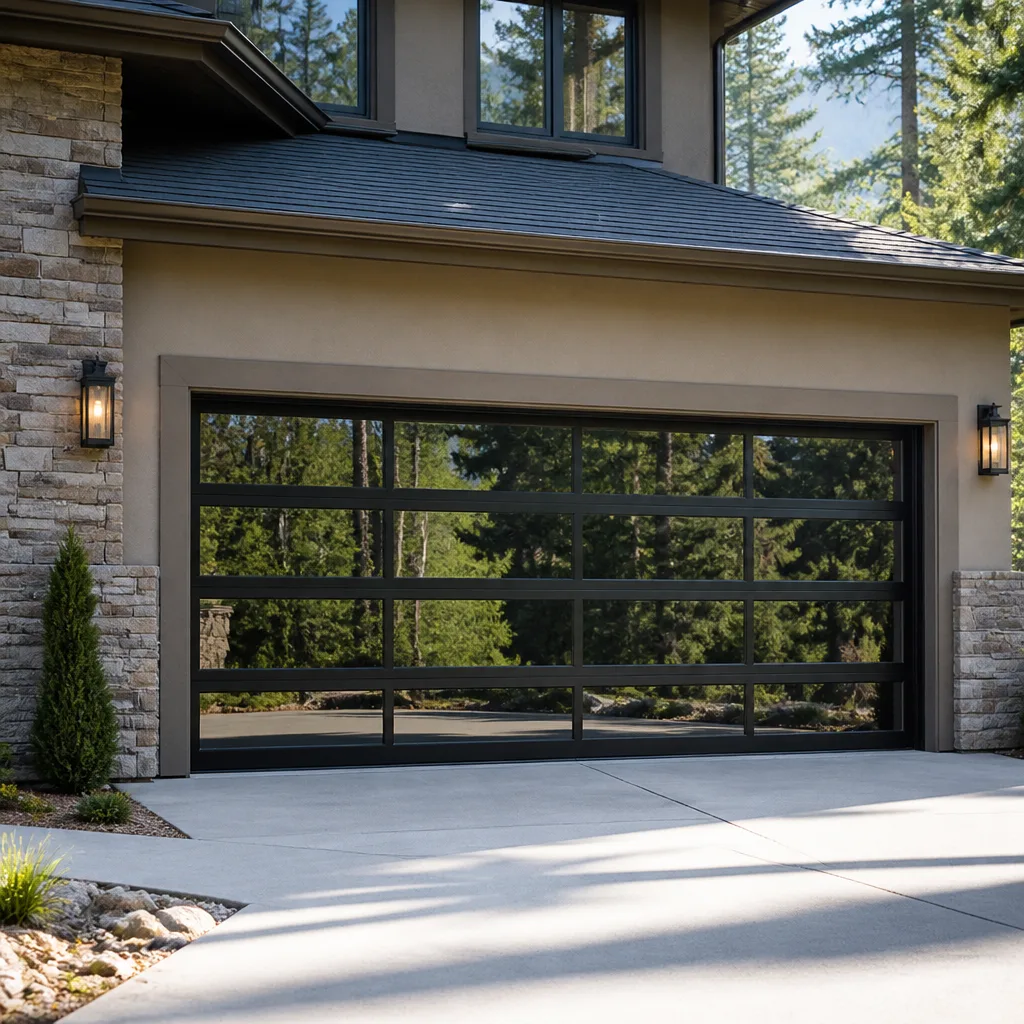 Full-view glass
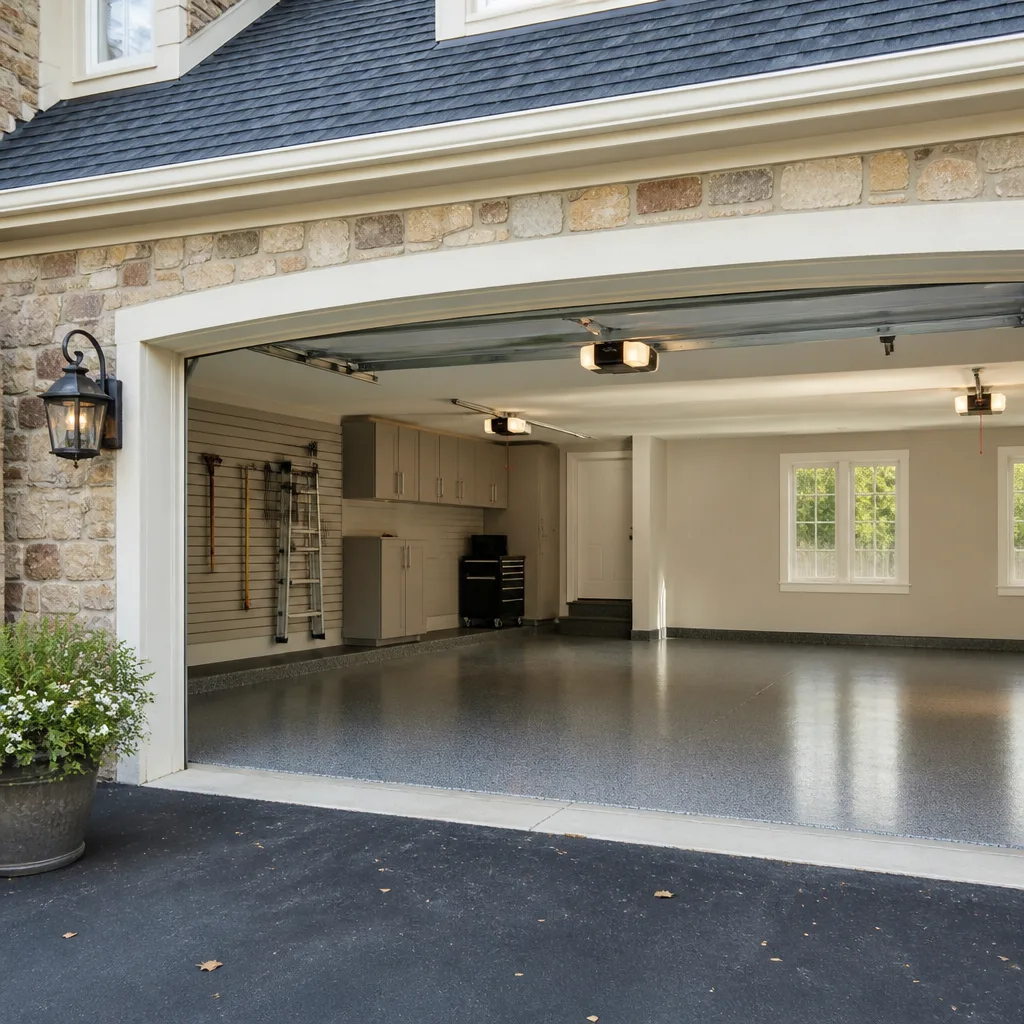 LiftMaster openers
 Chamberlain openers
Full 25-point door and opener safety check with every visit - springs, cables, rollers, tracks, and your LiftMaster or Chamberlain opener included
You get a price before we start. It does not change when the pro arrives.
Get your free estimateGarage Door Permits, Codes & Inspections in Germantown, MD: What You Need to Know
Most homeowners assume a garage door replacement is too small a job to bother the county with. That’s half right. A like-for-like swap of the same size door in the same opening usually doesn’t need a permit in Montgomery County, and plenty of Germantown projects fall neatly into that category. The trouble starts at the edges: you widen the opening, you change the header, you add an opener circuit where none existed, or your garage shares a wall with the house and the door needs a fire rating. That’s where the gray zone lives, and where a decision made today can surface years later during a home inspection. This guide walks through the actual permit threshold, Maryland’s fire-rated door rules, how HOA approval differs from a county permit, what an inspection really checks, and how to clean up unpermitted work before a sale. Our technicians have up to 14 years of experience, much of it in Germantown garages, and these are the questions we field most.
Quick Answer
A like-for-like garage door replacement in Germantown and the rest of Montgomery County typically does not require a building permit. Structural changes (widening the opening, altering the header, changing framing) or new electrical work for an opener usually do. When in doubt, call the county’s permitting office directly and describe the exact scope, because a permit is far cheaper than a stalled settlement. Attached garages with a door opening into the living space also bring Maryland’s fire-rated door requirements into play.
Styles & brands we work with
- Raised-panel steel
- Carriage house
- Modern flush
- Full-view glass
- LiftMaster openers
- Chamberlain openers
Table of Contents
- When does a garage door project need a permit in Montgomery County?
- Fire-rated doors for attached garages: the Maryland rule most homeowners miss
- HOA approval vs. county permit: two separate processes
- What an inspection actually checks
- How to permit work done without a permit
- What this means at resale and for insurance
- How to choose a contractor who handles the paperwork correctly
When does a garage door project need a permit in Montgomery County?
The dividing line is structural and electrical change, not the act of hanging a new door. A straight replacement of an existing door with one of the same size and type in the same opening is generally treated as ordinary maintenance. Once you cut into the framing, the rules shift. Here’s the practical breakdown:
- Like-for-like replacement: Same opening size, same door type, existing opener and wiring reused. Usually no permit required.
- Opening alteration: Widening or heightening the opening, changing the header, or modifying framing. This is structural work and typically needs a permit.
- New opener circuit: Running new electrical wiring to power an opener where none existed before. Electrical work generally needs a permit and inspection.
- Removing or adding a door: Converting a garage to living space, or adding a new garage bay, is a major structural and zoning question that certainly involves permits.
- Changing door type: Swapping a sectional for a tilt-up or roll-up can change load paths and clearances; ask the county before committing.
Montgomery County’s permitting rules are written in general construction terms, and the person behind the counter can tell you in a two-minute call whether your scope crosses the line. Describe the work precisely: same size, same opening, old opener reused. If any of those three facts change, say so. In our experience, most Germantown homeowners replacing a worn door with a Raynor or Clopay sectional in the original opening are in the exempt lane. But “usually exempt” is not “always exempt,” and the call is the county’s to make, not ours.
One more wrinkle worth knowing: the permit question doesn’t only apply at the front of the door. If a new opener installation involves running a dedicated circuit or modifying panel capacity, that’s electrical scope. LiftMaster and Chamberlain openers are generally plug-in or hardwired to an existing circuit in a standard install, but a workshop with no existing power near the ceiling is a different project. Ask before you buy the unit, not after.
Fire-rated doors for attached garages: the Maryland rule most homeowners miss
Plenty of Germantown homes have a door that opens directly from the garage into the living space, and that door is doing two jobs. It’s a passage and a fire barrier. Maryland’s residential code treats the separation between an attached garage and the house as a fire separation, and a door in that wall has to hold up its end of the deal. That means the door itself carries a fire rating, the frame and hardware matter, and a self-closing mechanism may be part of the picture.
What homeowners get wrong is treating the passage door and the overhead door as unrelated. They are separate components with separate rules. The overhead door is what we work on; the entry door between garage and house is a fire-rated assembly that has to meet its own standard. If you’re replacing the overhead door as part of a broader garage renovation, or if a contractor suggests creating a new opening from the garage into the house, ask specifically about fire-rated door requirements and get the answer in writing. This is the kind of detail that shows up on a resale inspection and causes the seller a headache.
We don’t install the passage doors, but we do see the fallout when a garage renovation leaves that wall compromised. When the overhead door comes down and framing is exposed, it’s a good moment to confirm the fire separation is intact. If you’re unsure, a call to the county building department will get you a straight answer about what an attached garage in your situation requires. This is the sort of thing that’s cheap to confirm and expensive to discover late.
HOA approval vs. county permit: two separate processes
A county permit and an HOA approval are not the same thing, and one does not substitute for the other. Germantown has a mix of neighborhoods with active homeowner associations, and many of them have architectural review requirements. Those requirements are contractual, not legal. The county doesn’t care whether your HOA signed off, and your HOA can’t waive a building permit. You’ll likely need both if you’re doing anything structural or visibly changing the exterior.
The sequence matters more than people expect. Here’s the order that avoids rework:
- Read the HOA’s architectural rules first. Some associations restrict door style, color, panel count, and even window placement. Getting a spec rejected after you’ve ordered is the expensive version of this lesson.
- Submit the HOA application with the product spec sheet. Most require the door manufacturer, model, color, and panel layout. A Clopay or Amarr spec sheet with the exact model number is what they want to see.
- Ask the county about permits at the same time, not after. If your scope crosses the permit threshold, the county’s processing takes time and can run in parallel with the HOA review.
- Don’t schedule installation until both are resolved. A crew that shows up to install a door the HOA later rejects creates a return trip and a bill no one wants.
- Keep the approvals on file. Both the HOA sign-off and the county permit record should live with your home documents for the next sale.
The overlap trips people up because the timelines are different. HOA review can take a few weeks; county plan review and inspection take their own path. Build slack into the schedule if a holiday or a sale is on the horizon.
What an inspection actually checks
An inspection on a permitted garage door project is not a quality review. The inspector is checking a specific list of safety and code items, and if those check out, you pass. Understanding what’s on that list tells you what to look for before the inspector does.
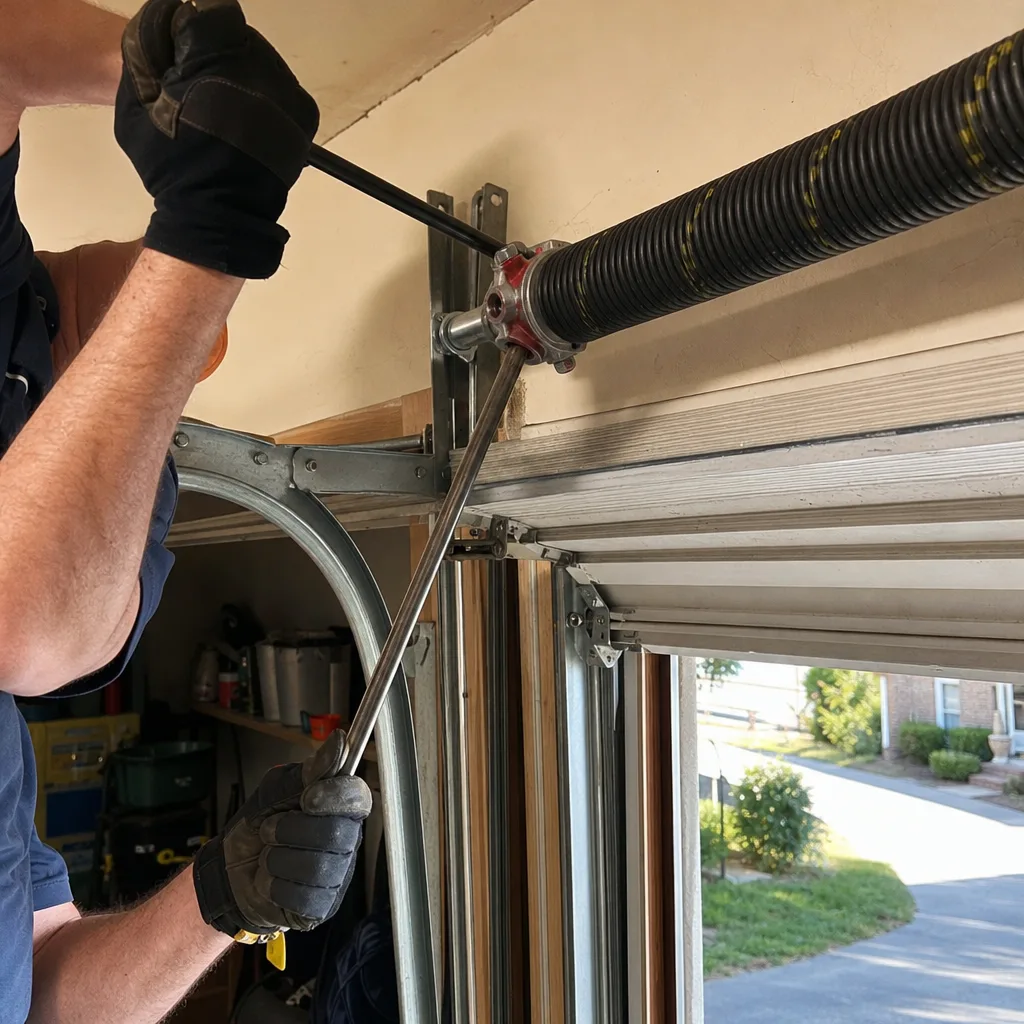
- Spring anchoring and containment: Torsion and extension springs must be properly anchored, and if containment hardware is required, it has to be in place. Springs are the highest-energy component on the door and the most dangerous to get wrong.
- Opener safety reverse: The door must reverse on obstruction and the photo-eye must work. This is the single most-tested opener item because it’s the one that protects people and pets.
- Header and clearance: If the opening was altered, the header, jambs, and clearances get checked against the plan. If nothing was altered, there’s less to inspect.
- Attachment of track and brackets: Fasteners into the framing, not just the drywall or sheathing.
- Fire separation where applicable: If the project touches the wall between garage and house, that’s on the inspector’s radar.
Where the project includes new opener wiring, expect a separate electrical inspection on the circuit before the door portion. Scheduling both correctly saves a revisit. A qualified installer will know to have the photo-eye alignment and force settings dialed in before the inspection window, because the test is performed live.
How to permit work done without a permit
The homeowner who discovers a prior owner’s unpermitted door replacement is in a more common spot than they think. The path to legalizing it runs through the county, and the steps are straightforward if the work is sound. Start by pulling the permit record for the address and checking what’s on file.
- Confirm what wasn’t permitted. Ask the county what’s recorded for the garage and door, and get the deficiency in writing if they can provide it.
- Assess the physical work first. A licensed installer can confirm the door is correctly installed, the springs properly anchored, the opener safety reverse operational, and the header sound. If any of that is wrong, fix it before applying.
- Apply for a permit as an after-the-fact permit. Most jurisdictions have a path for this. The scope is described honestly and the county decides what inspection it wants.
- Schedule and pass inspection. If the work is good, this is usually the easy part. If it fails, the fixes are documented and done.
- Record the final inspection. A closed permit with a passing inspection is what your buyer’s inspector and your insurer will want to see.
When is it not worth pursuing? If the work is minor maintenance, the county has no record requirement, and nothing structural was done, there’s often nothing to legalize. When is it necessary? Before a sale, before a major insurance claim, and whenever the lack of a permit could surface in a disclosure. If you’re unsure which camp you’re in, call the county and describe exactly what was done. They’ll tell you what they need.
What this means at resale and for insurance
Here’s the part most homeowners don’t think about until it’s too late. A garage door replacement without a permit when one was required doesn’t cost you anything the week it’s installed. It costs you at the worst possible moment: during a home inspection, when the buyer’s inspector notes “unpermitted work” on the report and the transaction suddenly has a negotiating problem. Sometimes the deal stalls while paperwork gets sorted. Sometimes the price gets revisited. Either way, you’re the one with the deadline.
Insurance works the same way. If a future claim involves the garage door and the insurer discovers work that required a permit without one, the claim review gets more complicated. That’s not a scare tactic; it’s simply how carrier reviews work. The permit record is the paper trail that shows the work was done to code, and its absence puts you on the defensive when you’d rather not be.
In our experience, the cheapest way to handle this is at the front end. Before your installer places the order, ask them one question: “Will this project require a county permit?” A good contractor will either know the answer or know who to call. If they hedge, that’s information. A Germantown door is a door; the paperwork should be as clear as the install.
How to choose a contractor who handles the paperwork correctly
Most garage door contractors are installers first, and the permit conversation is an afterthought. That’s fine for a straight replacement in an unchanged opening. It stops being fine when the scope gets bigger. Ask directly about permits and HOA compliance, and listen to how specific the answer is.
- “Probably doesn’t need one” is the answer to worry about. The correct response is either “let’s confirm with the county” or “yes, in your case, here’s why.”
- Ask for the model number and spec sheet up front. You’ll need it for the HOA application and for the permit. A contractor who can hand it over without digging is doing this work regularly.
- Ask what they’ll put in writing. The written estimate should describe the scope in the same words you’d use with the county. Same size, same opening, opener reused, or whatever the specifics are.
- Confirm the brands they service. If you own a Raynor or a Genie and the contractor’s answer is “we’ll figure it out,” that’s a different conversation. We service LiftMaster, Chamberlain, Genie, Clopay, Amarr, Wayne Dalton, Craftsman, and Raynor, because those are what’s actually installed in this area.
- Check that springs are treated as their own scope. A contractor who treats springs casually is a contractor who hasn’t thought hard about the safety side of the trade.
A permit isn’t a quality mark, and its absence doesn’t mean the door was hung badly. It’s a paper trail. The contractor worth hiring treats the paper trail as part of the job, not as a customer nuisance.
Common Mistakes to Avoid
- Assuming “replacement” always means “no permit.” It usually does, but “same size, same opening, same opener” is the actual test. Once one of those changes, the assumption doesn’t hold.
- Skipping HOA approval because you already talked to the county. These are separate processes with separate reviewers. One does not substitute for the other, and a late HOA rejection can force a door back off the wall.
- Ordering before checking the HOA’s architectural rules. Style, color, and window restrictions vary by neighborhood in Germantown. A model the HOA rejects is an expensive mistake that no return policy covers.
- Overlooking the fire-rated door between garage and house. If the overhead door work opens up that wall, confirm the fire separation before it’s closed back up. Fixing it later is what gets expensive.
- Treating an inspection like a quality review. The inspector is checking specific safety items: spring anchoring, opener safety reverse, header clearance. If those aren’t right, the door fails even if it looks great.
- Ignoring a prior owner’s unpermitted work. If you bought the house and the prior replacement never got a permit it needed, the record problem is now yours. Get it documented before a sale, not during one.
- Letting a contractor skip the written scope. The written estimate should describe the same work you’d describe to the county. If it’s vague, get it specific before signing.
See the difference
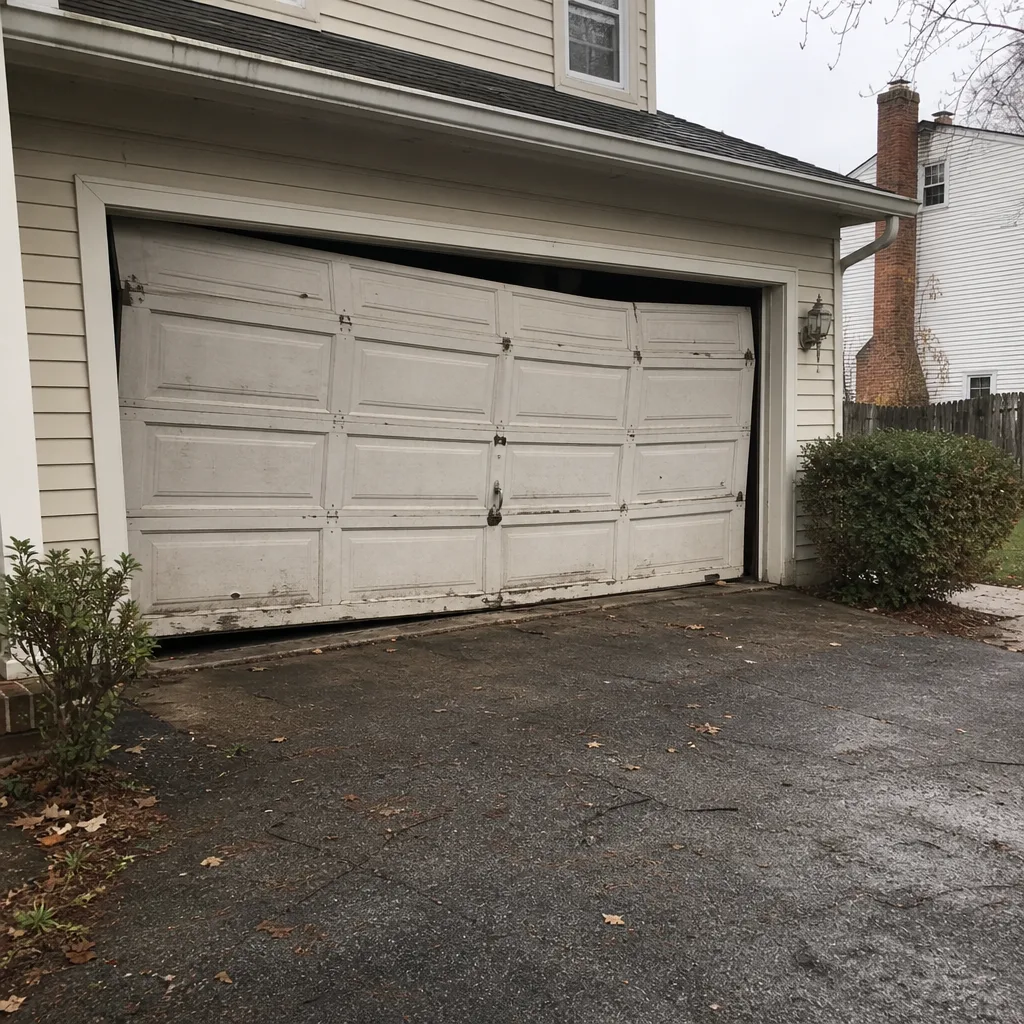 Before
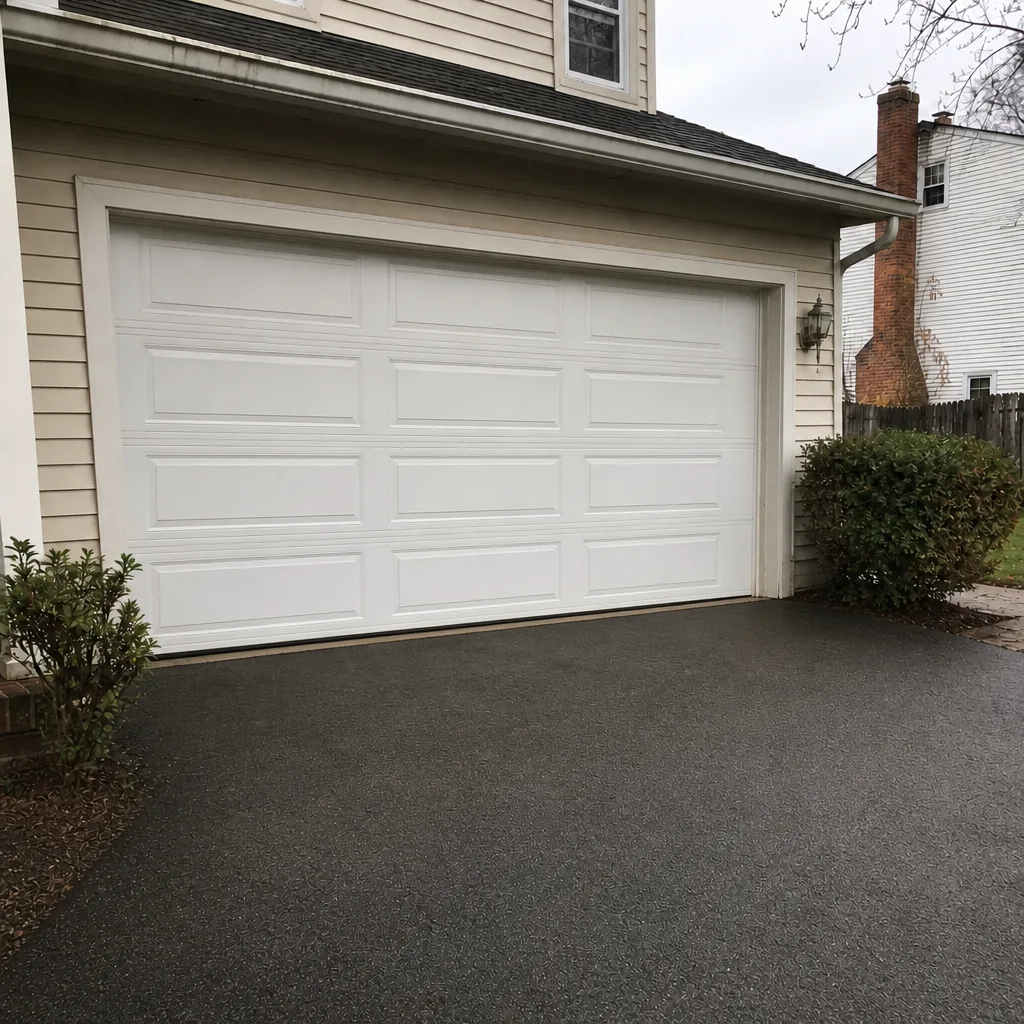 After
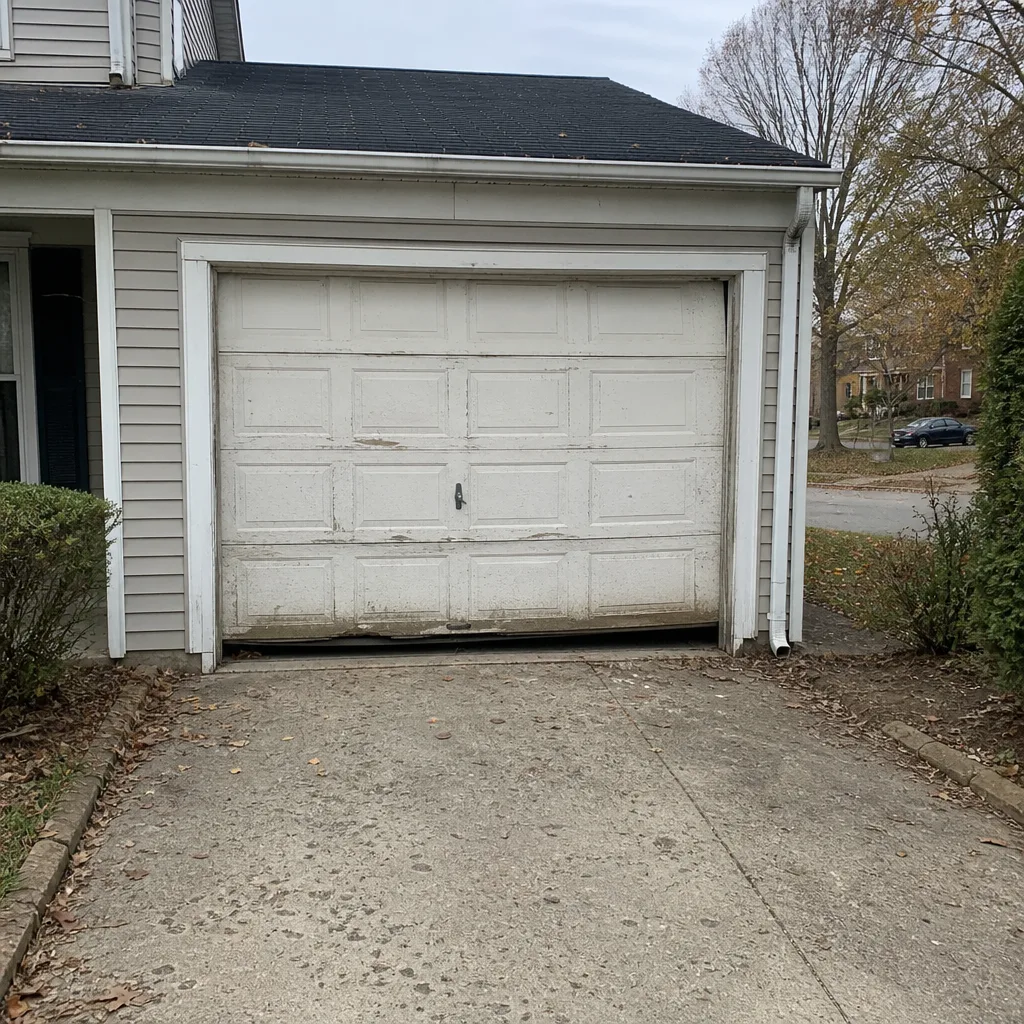 Before
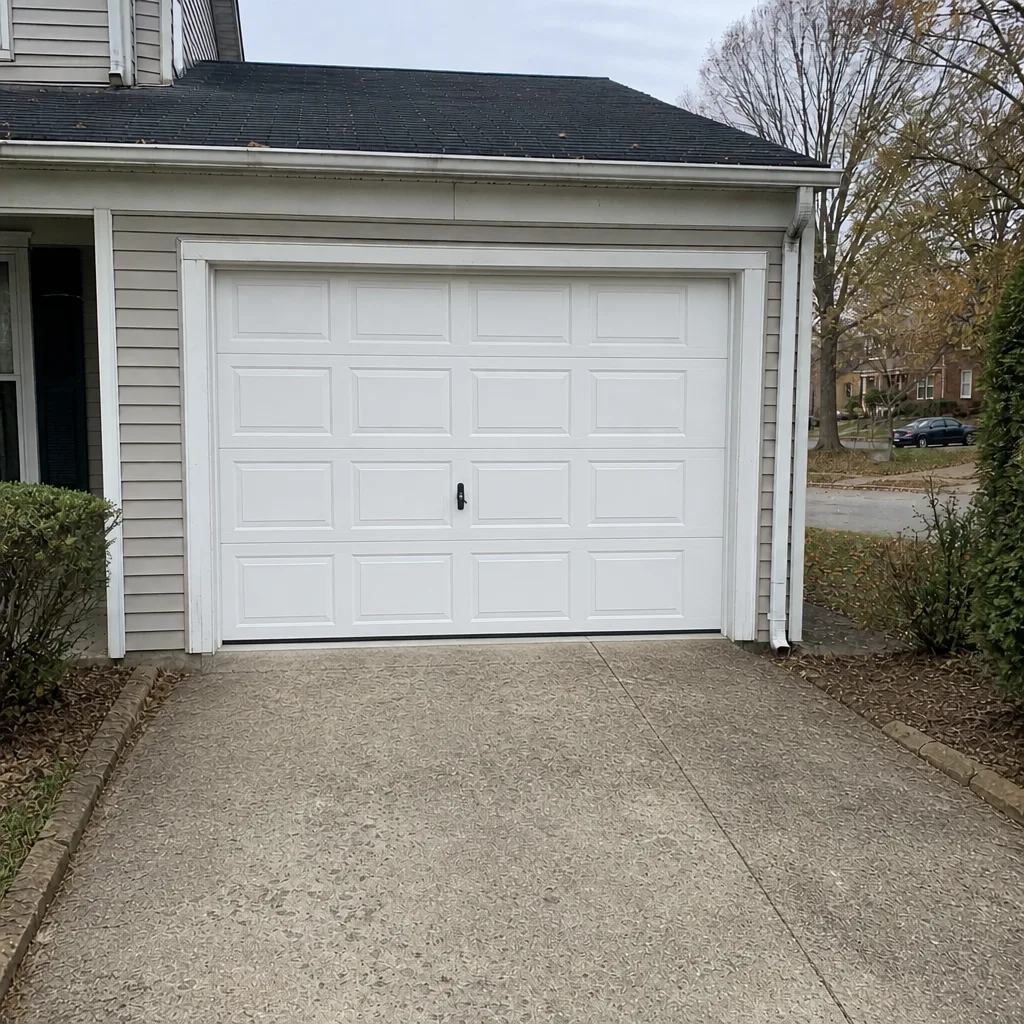 After
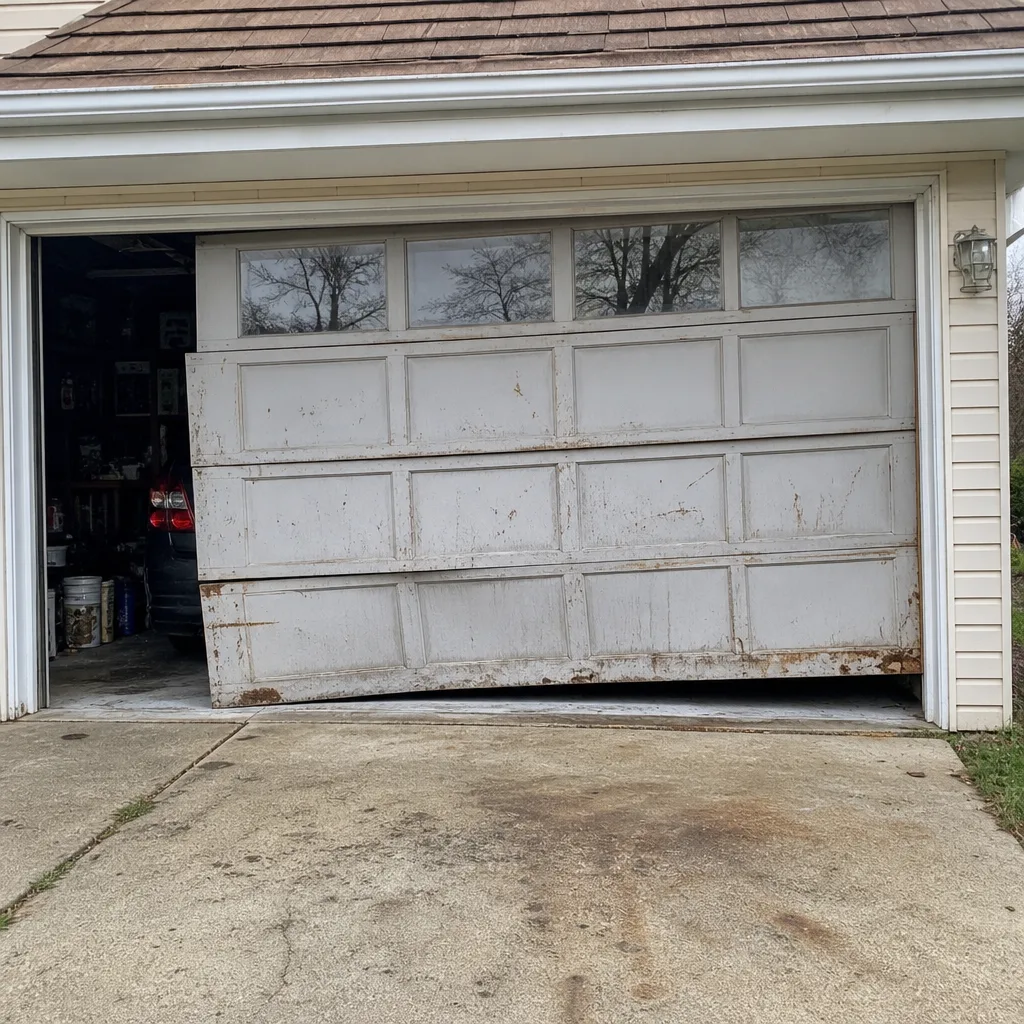 Before
 After
When to Call a Professional
There are a few situations where the permit question and the door question are the same conversation, and those are the moments to reach out. If you’re replacing a door in an opening you’re about to modify, if you’re adding an opener circuit where none exists, if a contractor is proposing a new passage between garage and living space, or if a home inspection has flagged an unpermitted prior installation, get a professional involved. Springs are the most dangerous part of any garage door system, and structural changes around the opening are the other place where shortcuts cost. If the issue is the door itself rather than the paperwork, our garage door repair team handles both the technical side and the practical questions about what your project actually requires. Germantown Garage Door Repair Pros offers free estimates in Germantown – call (844) 575-0084. We’ll tell you whether your scope likely needs a permit, what to ask the county, and what a clean install should look like from the inside out.
Frequently Asked Questions
A like-for-like replacement in the same opening, with the same door size and the existing opener reused, typically does not require a permit. Structural changes to the opening or header, or new electrical work for an opener, usually do. Call Montgomery County’s building department with your exact scope and they’ll give you a definitive answer for your address. Call (844) 575-0084 if you want a second read on the scope before you make that call – estimates are free.
The door between the garage and the living space in an attached garage is generally required to be a fire-rated assembly under Maryland’s residential code, and it operates separately from the overhead door. The overhead door itself is not typically fire-rated; it’s the passage door that carries the rating. Confirm the specifics for your home with the county’s building department, especially if a renovation is opening up that wall. Call (844) 575-0084 if you want us to walk your garage and flag what should be checked before the wall closes up.
HOA approval is not a substitute for a county permit. They’re separate processes with separate reviewers, and either can reject your project independently. Read the HOA’s architectural rules first, confirm whether the county requires a permit for your scope, and keep both approvals on file for the next sale. Call (844) 575-0084 if you want us to look at your scope before you start the applications – estimates are free.
An inspection checks specific safety and code items: spring anchoring and containment, opener safety reverse and photo-eye function, header and clearance if the opening was altered, and fastening of the track and brackets. It is not a general quality review of the installation. If the door is properly installed these checks pass; if they aren’t right, the door fails the inspection even if it runs smoothly. Call (844) 575-0084 if your inspection is coming up and you want the safety systems verified first – estimates are free.
Yes, in most cases. The path is an after-the-fact permit: confirm what wasn’t permitted, have a licensed installer verify the physical work is sound, apply, and schedule the inspection. If the work is good, this is usually straightforward. Before a sale or a major insurance claim, it’s worth pursuing even if it costs a bit of time. Call (844) 575-0084 and we can describe what the county typically wants to see for your situation.
It can. A buyer’s home inspector may flag unpermitted work, and that can stall the transaction, force repairs, or reprice the deal. The safest approach is to sort the paperwork out before listing. If you’ve inherited unpermitted work from a prior owner, address it early so the final walkthrough isn’t the first time you hear about it. Call (844) 575-0084 if you want a professional set of eyes on what’s actually installed – estimates are free.
The Bottom Line
Garage door permits in Germantown are a gray-zone question, and the honest answer is that it depends on the scope. Like-for-like replacement in an unchanged opening usually doesn’t need a permit; anything structural or electrical usually does. The fire-rating question on attached garages is separate and often overlooked, HOA approval is a different process from county approval, and inspections check specific safety items rather than overall quality. The unifying theme is that the paperwork is cheap and getting it wrong is expensive – usually at resale. If you’re about to do this work in Germantown and want a straight read on what your scope likely requires, we’re glad to help. Our technicians have up to 14 years of experience, and we service your brand whether it’s LiftMaster, Chamberlain, Genie, Clopay, Amarr, Wayne Dalton, Craftsman, or Raynor. When the door won’t move or your paperwork is unclear, one call covers the whole door. If the next question is about the door itself, our garage door opener repair and garage door spring repair pages go deeper on the technical side. We’re Germantown Garage Door Repair Pros, and the first estimate is free. Call (844) 575-0084.
Written by the team at Germantown Garage Door Repair Pros.