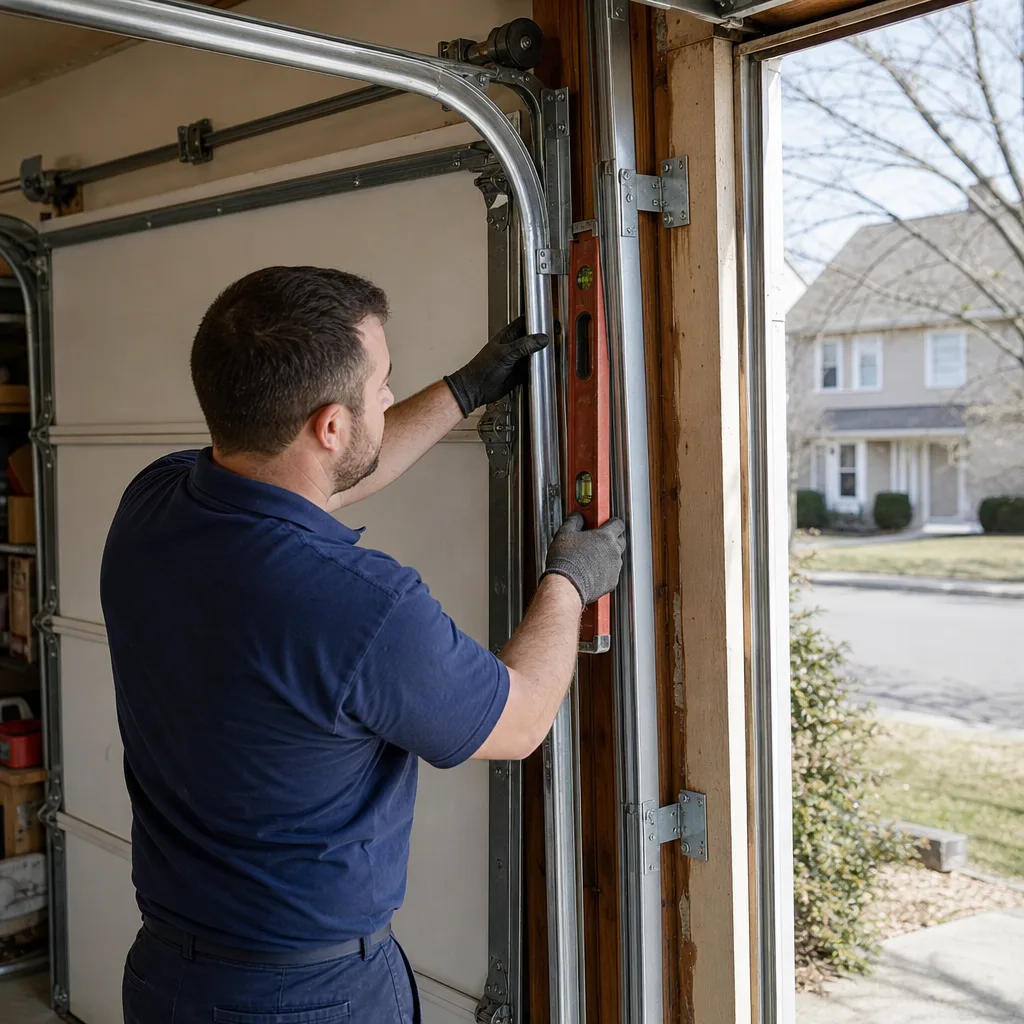
Last updated November 21, 2026
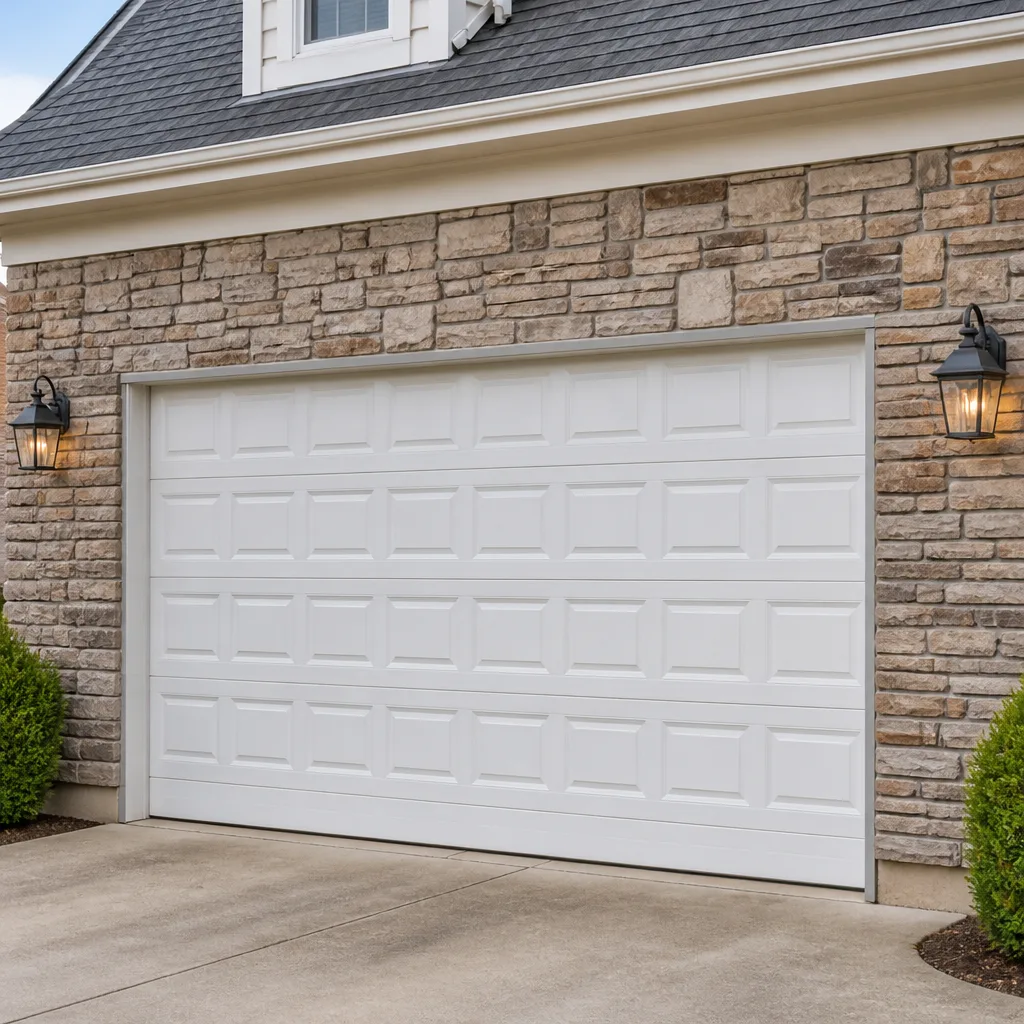 Raised-panel steel
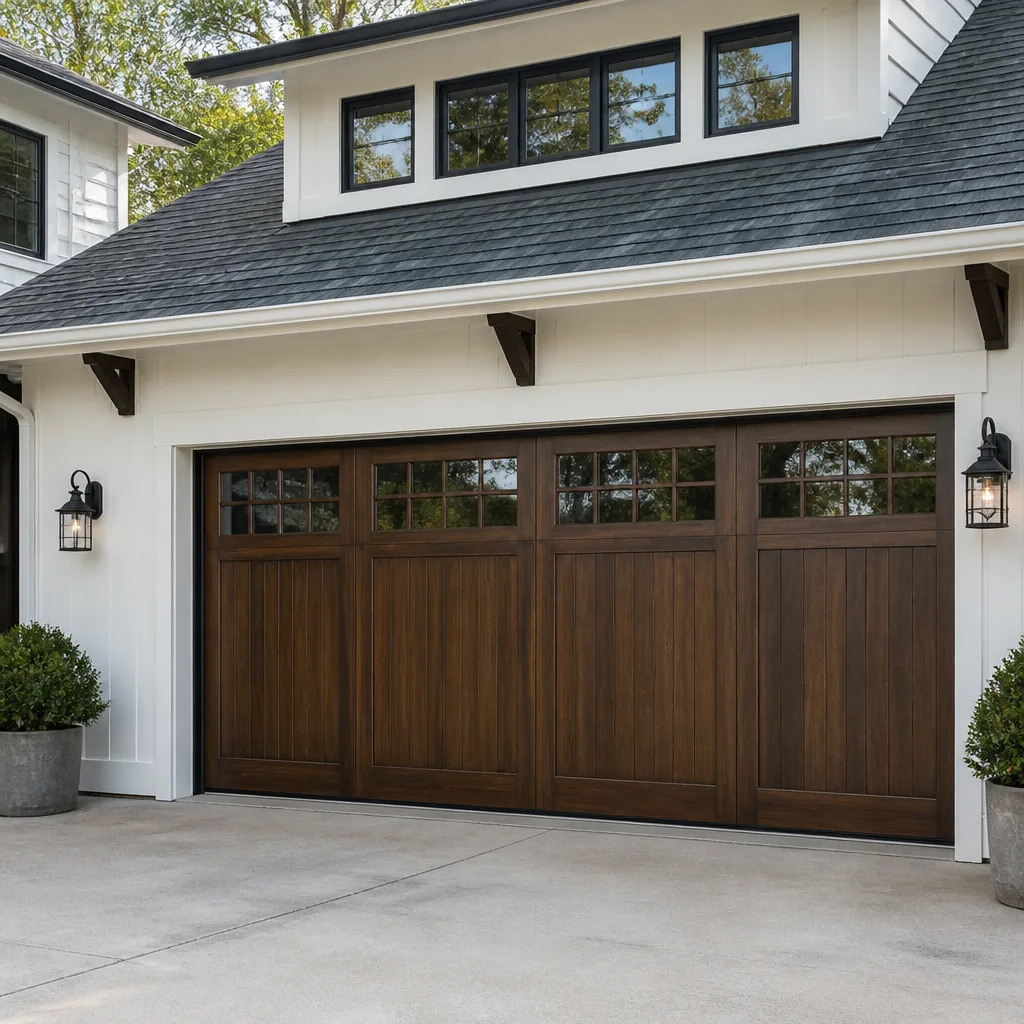
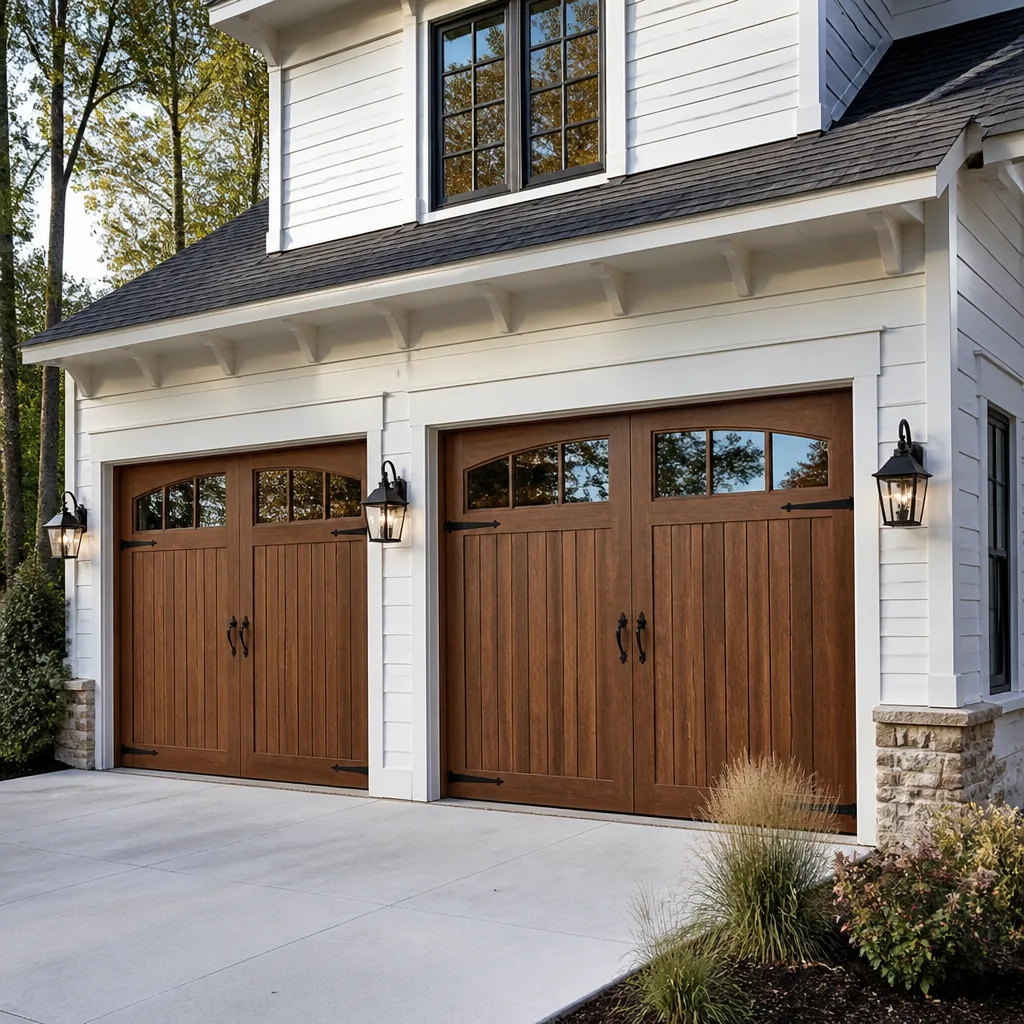 Carriage house
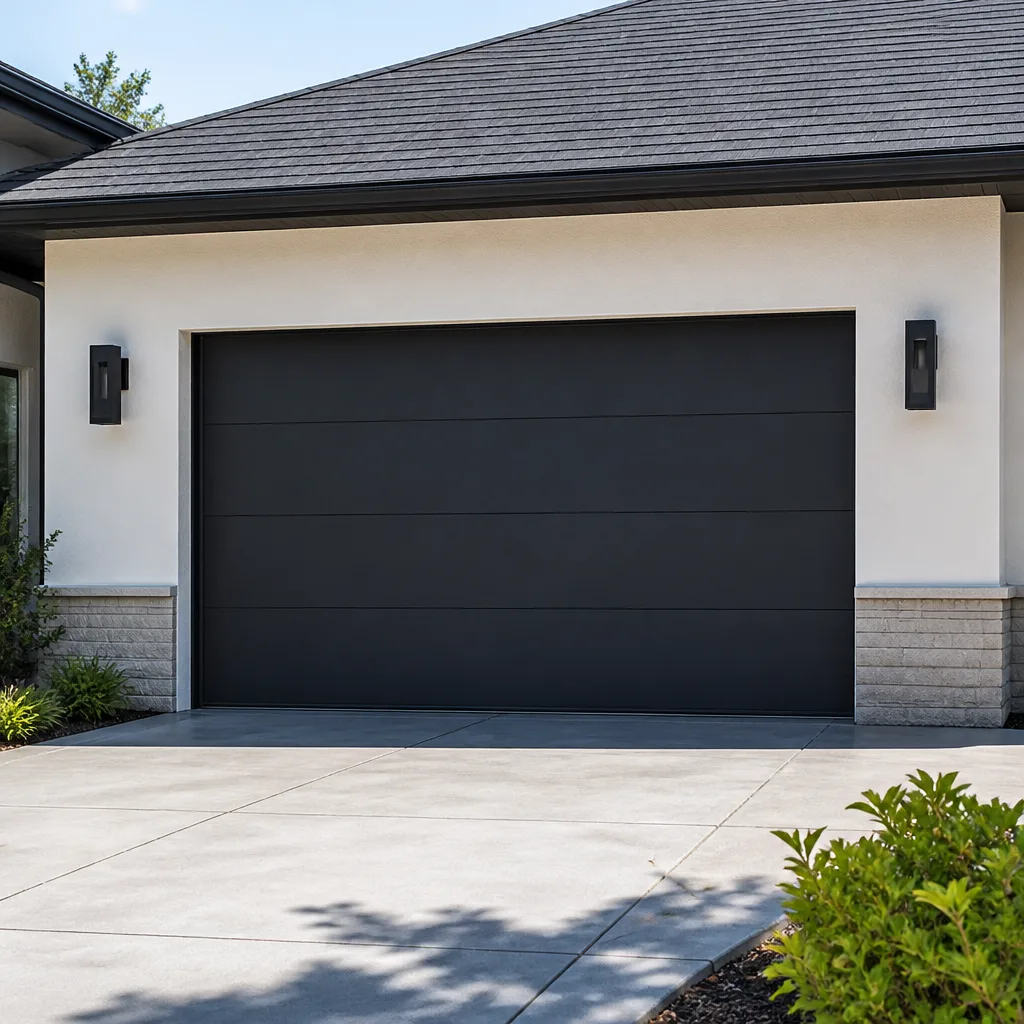 Modern flush
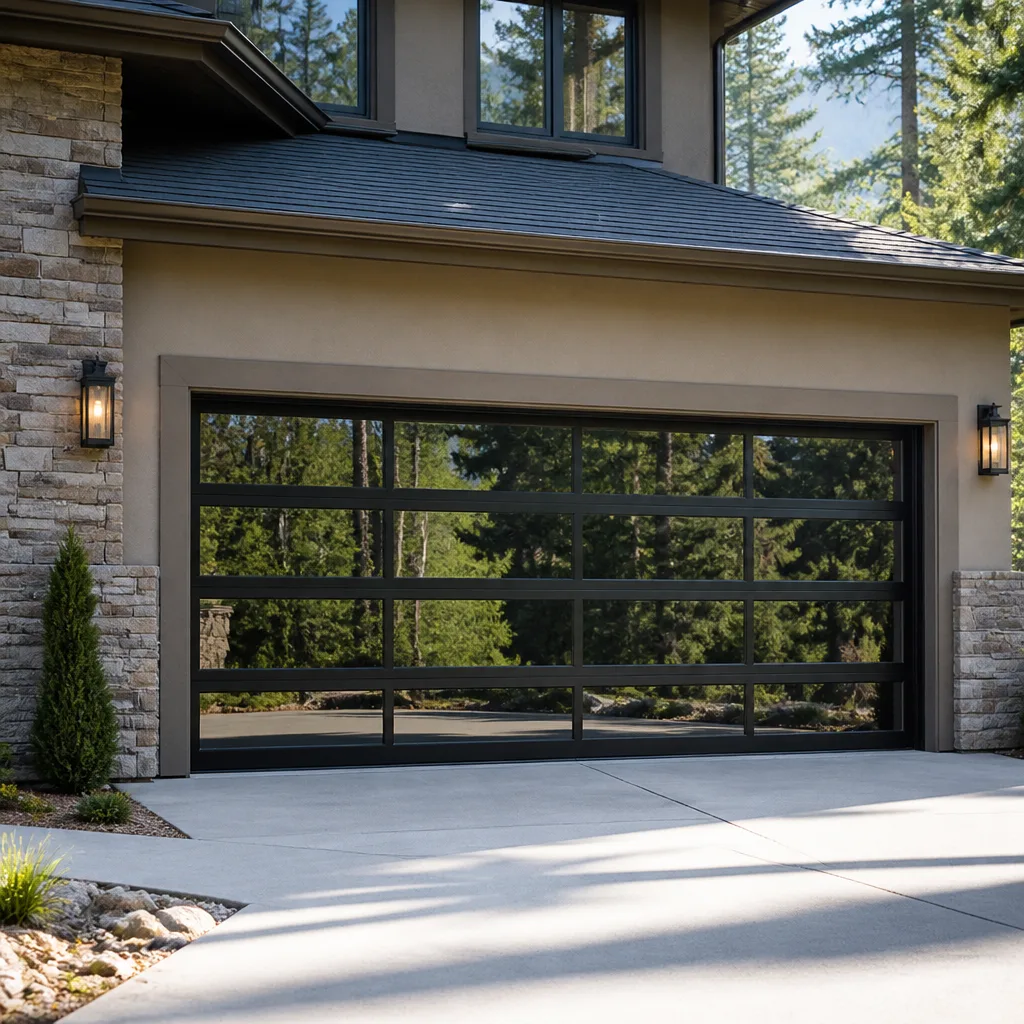 Full-view glass
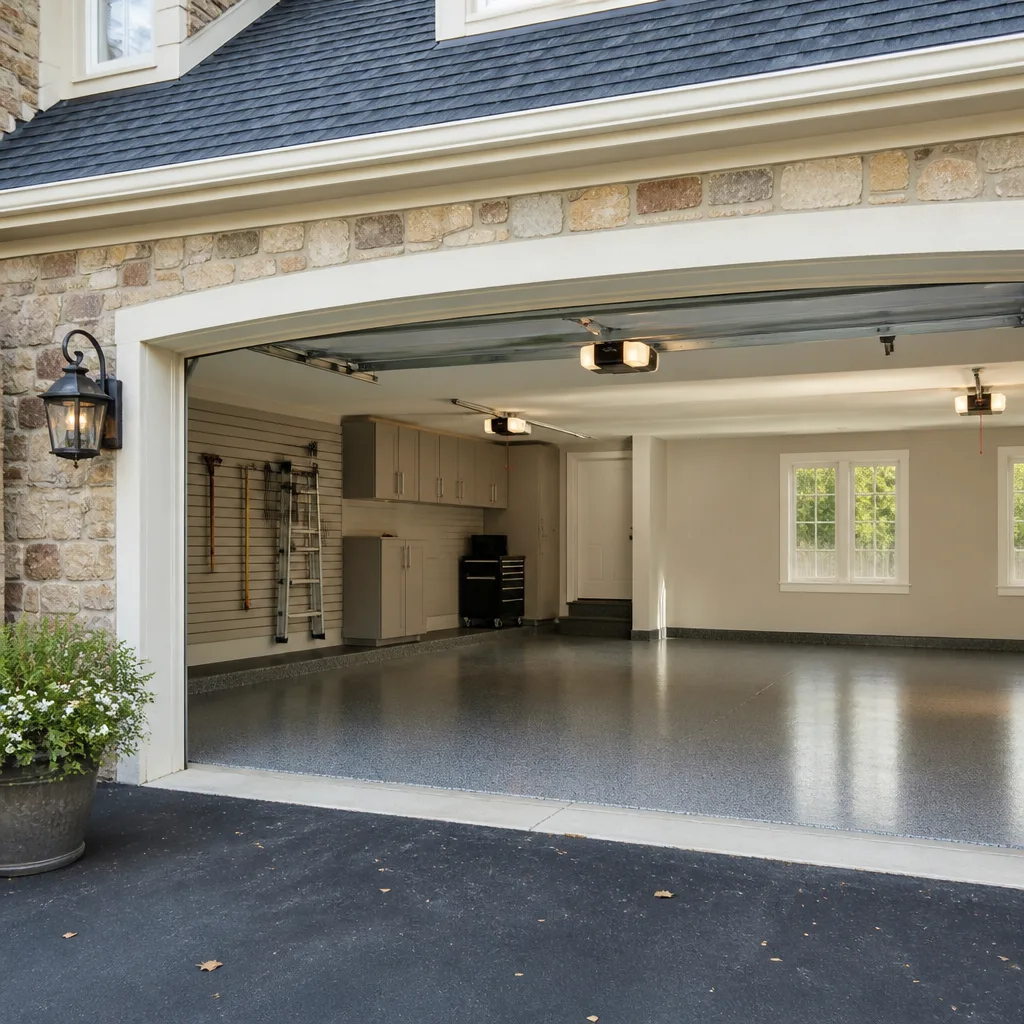 LiftMaster openers
 Chamberlain openers
Full 25-point door and opener safety check with every visit - springs, cables, rollers, tracks, and your LiftMaster or Chamberlain opener included
You get a price before we start. It does not change when the pro arrives.
Get your free estimateGarage Door Warning Signs: A Germantown Homeowner’s Reference Guide
Most homeowners treat every garage door symptom the same way: wait and see. That’s the mistake. A door that reverses on its own isn’t the same animal as a door with a worn bottom seal, and lumping them together gets people hurt or leaves them parked on the street. We’ve spent years diagnosing these systems, and the pattern is clear. Warning signs sit on a spectrum, from “watch this” to “stop using the door today.” This guide sorts them by real urgency, walks through the balance test, decodes what each noise means, and covers the opener light codes you’ll see on the brands most Germantown homes run. You’ll finish knowing exactly which symptom means call now and which means jot it on the list.
Quick Answer
The most serious garage door warning signs in Germantown are a broken spring, a frayed or kinked cable, a bent track, and any door that closes on its own or reverses without an obstruction. These are stop-use-today problems because they put the door’s weight control and safety reverse system at risk. Slower symptoms like grinding, uneven travel, or opener lag usually mean schedule service within a week. Minor seal wear and faded panels are monitor-and-maintain items. If your door won’t move at all, call (844) 575-0084.
Styles & brands we work with
- Raised-panel steel
- Carriage house
- Modern flush
- Full-view glass
- LiftMaster openers
- Chamberlain openers
Table of Contents
- The Three-Tier Severity System for Garage Door Problems
- What Each Garage Door Noise Actually Tells You
- How to Run the Balance Test (and Read the Result)
- Opener Warning Signs on LiftMaster, Chamberlain, and Genie Units
- When One Symptom Points to a Different Component
- How Germantown’s Seasons Stress a Garage Door System
- Brand-Specific Signs: Raynor, LiftMaster, Chamberlain, Genie
- The Monitoring Checklist for a Healthy Door
- Common Mistakes to Avoid
- When to Call a Professional
- Frequently Asked Questions
The Three-Tier Severity System for Garage Door Problems
Here’s the framework we use on every call. Before we talk parts or prices, we sort the symptom into one of three tiers, because a Tier 1 problem and a Tier 3 problem shouldn’t get the same response from you. A door that reverses unexpectedly isn’t a nuisance. It’s the opener’s safety reverse system telling you something in the force calibration or sensor alignment is off. Disabling that system, which some homeowners do to stop the reversing, removes the only thing that keeps the door from closing on a child or a car.
Tier 1: Stop Using the Door Today
- Broken spring. You’ll hear a loud bang or the door simply won’t lift. Never force it. The spring counterbalances hundreds of pounds.
- Frayed or kinked cable. Any cable with visible fraying, a kink, or a loose end is a snap risk. Stop.
- Bent or buckled track. The door can jump the track and fall.
- Door reverses or closes on its own. The safety reverse system is failing. Do not disable it.
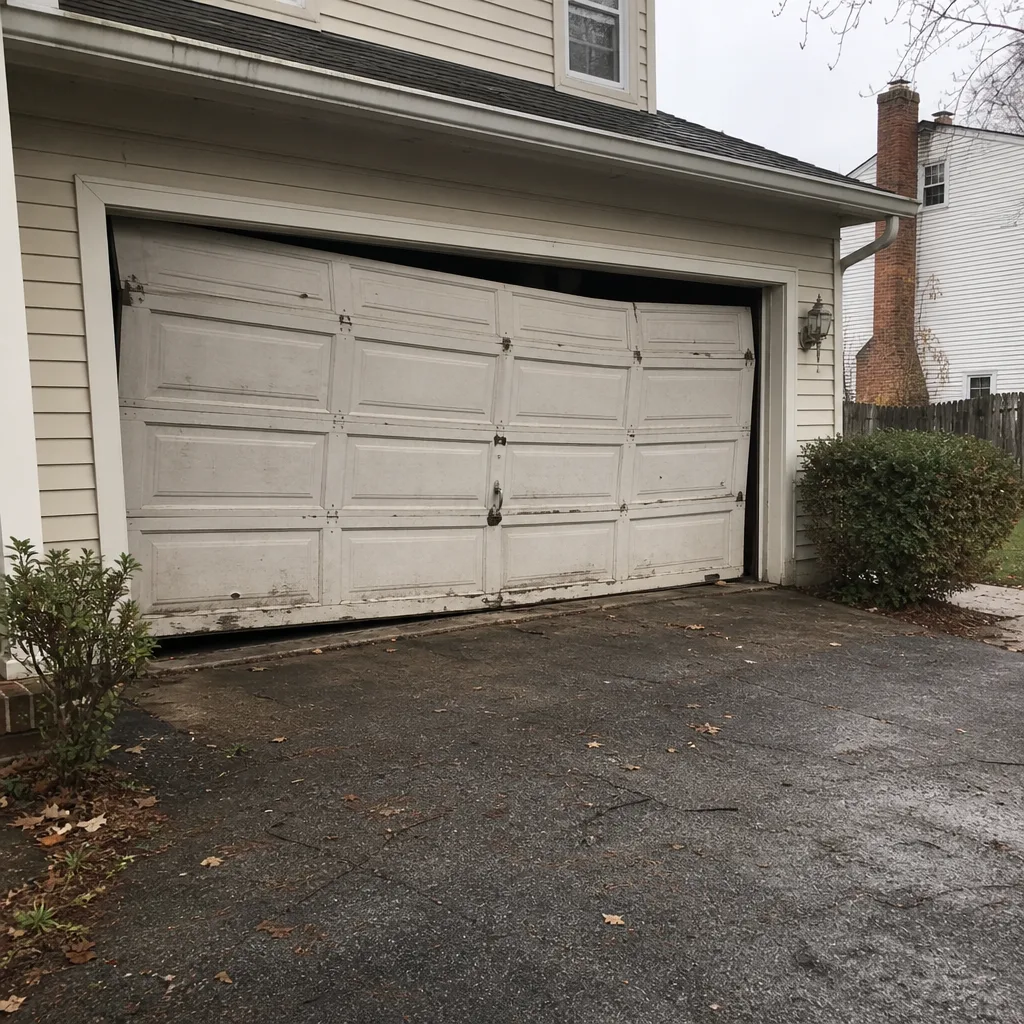
- Door hanging crooked or partially off-track. The panels can drop.
Tier 2: Schedule Service Within a Week
- Grinding or squealing during travel (usually roller or hinge wear)
- Slow, labored, or jerky opening and closing
- Opener response lag or a motor that strains before moving
- Door that opens a few inches and stops (often a force or sensor fault)
- Remote or wall control that only works intermittently
Tier 3: Monitor and Maintain
- Minor weather-seal wear at the bottom or sides
- Faded or chalking paint on the panels
- A single squeaky hinge you can lubricate
- Slightly stiff rollers that smooth out with a little lube
Sort first, then act. That’s the whole discipline. If you’re unsure which tier a symptom belongs to, that’s exactly the call to make: (844) 575-0084 for garage garage door repair in Germantown.
What Each Garage Door Noise Actually Tells You
A garage door should sound roughly the same every time it moves. When the sound changes, the door is telling you where the problem lives. Homeowners tend to lump all noise together as “the door’s getting old,” but a grinding sound and a popping sound come from completely different components and point to different fixes. Learning to match the noise to the part saves guesswork and often saves money.
Grinding
Grinding almost always comes from rollers or hinges. Rollers wear, flat-spot, or lose their bearing; hinges dry out and bind. The door is still moving, so this is a Tier 2 signal in most cases. Left alone, worn rollers chew up the track and eventually force a bigger repair. We’ve seen it escalate from a cheap roller swap to a track replacement simply because the grinding was ignored.
Popping or a Loud Bang
A popping sound during travel is frequently a spring tension issue, especially on a torsion system. A single loud bang at rest is the sound of a spring breaking. That’s Tier 1, no exceptions. Springs are the most dangerous part of your garage door system, and this is why we handle them as a dedicated, safety-conscious job rather than an add-on. If you heard the bang, stop using the door and call for garage door spring repair.
Scraping
Scraping points to track alignment. The door is rubbing metal against metal because the track has shifted, bent, or pulled away from the frame. Scraping that comes with the door binding and stalling is Tier 1-adjacent: stop and get it looked at before you force it and bend a panel.
Rattling and Squealing
Rattling is usually loose hardware (brackets, bolts, hinges). Squealing is dry metal. Both are Tier 3 to Tier 2, fixable with tightening and lubrication. If rattling comes with a visibly loose panel, step up the urgency.
How to Run the Balance Test (and Read the Result)
The balance test is the single best diagnostic a homeowner can run. It tells you whether the springs are still doing their job or whether the opener is quietly carrying weight it was never designed to carry. Most people think the test is binary: the door stays up or it falls. It isn’t. The result is a matter of degrees, and the degrees tell you how much life the springs have left.
Running the Test Safely
- Make sure the door is closed and nothing is in its path. Keep people and pets clear.
- Disconnect the opener by pulling the manual release cord so the door is on manual.
- Lift the door about halfway by hand and let go. Do not force it.
- Watch what happens. The door should hang roughly where you let it go.
- Reconnect the opener and restore normal operation once you’ve observed.
Reading the Result
A balanced door holds its position, maybe drifting a few inches at most, and feels light in your hands. A door that drops fast when you let go is off-balance, which means the springs have weakened or one has failed. A door that wants to fly up and won’t stay down is over-tensioned or the springs are set wrong. Off-balance in either direction puts the full weight of the door on the opener, which is how openers burn out. Degrees matter: a door that holds but feels heavy is a Tier 3/2 “monitor and schedule” result. A door that falls is Tier 1. If the door won’t move at all, stop and call us. One call covers the whole door.
Opener Warning Signs on LiftMaster, Chamberlain, and Genie Units
Openers are the brains of the system, and they fail with warnings before they quit. The brands most Germantown homes run (LiftMaster, Chamberlain, and Genie) all give you signals if you know where to look. Learning to read the light on the motor housing can save you from a dead opener and an undrivable car. This is where our garage door opener repair work starts for a lot of customers.
Error Code Lights
Modern openers flash a count or a specific colored LED to indicate faults: sensor misalignment, force out of range, or a logic lockout. Count the flashes and check your model’s manual (LiftMaster and Chamberlain units use a similar code structure). A repeating code means the opener is protecting itself from a mechanical problem elsewhere. Don’t clear a code without finding the cause.
Response Lag
If the remote used to move the door instantly and now there’s a pause, the opener is losing efficiency. Lag often comes from a straining motor, worn gears, or a failing logic board. A short lag right after a cold snap can point to the door’s springs getting stiff, not the opener itself.
Partial-Open Behavior
A door that opens a few inches and reverses (or stops dead) is the opener reacting to a sensed obstruction or a force problem. On a Genie, this can be travel-limit drift. On a LiftMaster or Chamberlain, it can be force limits or misaligned safety sensors. Any opener that keeps doing this needs a technician, because it’s the opener trying to protect the door.
When One Symptom Points to a Different Component
This is where experience earns its keep. The symptom you notice is often not where the problem lives. Homeowners call us about a “bad opener” all the time and the opener is fine; the springs are worn, or the track is binding, and the motor is just the messenger. Knowing when to look sideways is the difference between a proper diagnosis and a part swap that doesn’t fix the real issue.
The Cold-Morning Strain
An opener that struggles on a cold Germantown morning may be fighting weak springs. Cold metal stiffens, lubrication gets thick, and if the springs have lost tension the opener has to lift weight it wasn’t built for. If the strain happens mostly in cold weather, look at the springs before the motor.
The Bend That’s Actually a Roller
A door that suddenly looks “bent” or “warped” is often the result of a seized roller dragging the panel out of alignment. The panel isn’t the culprit; the roller is. Replacing panels won’t fix bad rollers, and it wastes money.
The Track That’s Actually a Cable
A door that’s binding, scraping, or pulling to one side is often a cable problem, not a track problem. A loose or frayed cable throws the whole door off, which then rubs the track. Fix the cable and the “track problem” disappears.
The Remote That’s Actually a Sensor
A remote that only works up close is often a dying battery or a sensor issue, not a bad remote. Test a fresh battery first. If the wall control still works fine, the problem is usually the remote or the operator’s receiver.
How Germantown’s Seasons Stress a Garage Door System
A garage door in Germantown lives a harder life than one in a milder climate. The area swings between humid summers and cold winters, and that cycle is tough on a system made of steel, aluminum, plastic, and rubber. The door moves hundreds of times a year through all of it. Understanding the seasonal stress helps you know which signs to watch for when.
Summer Humidity and Heat
Hot, humid weather makes wood composite panels swell and rubber seals soften. Seals dry and crack over time, letting pests and water in. We regularly see weather-seal wear as a Tier 3 item worth catching in summer before the cold returns.
Winter Cold and Cold-Morning Strain
Cold weather thickens lubricant, stiffens springs, and contracts metal. A door that ran fine in October may strain in January. That’s when weak springs show themselves. Our technicians have up to 14 years of experience reading these cold-morning symptoms, and a lot of winter service calls trace back to a spring that needed replacing long before the first freeze.
Spring and Fall Transitions
Wet, transitional seasons bring more moisture to the track and hardware, which encourages rust and bind. Grease and lubricant get washed away. A little seasonal maintenance in spring and fall keeps the door smooth and catches small issues before they grow.
Brand-Specific Signs: Raynor, LiftMaster, Chamberlain, Genie
Different brands have their own personalities, and knowing a brand’s common failure points helps you spot trouble earlier. We service all eight of the most widely installed residential garage door and opener brands without requiring a brand-specific dealer appointment, which means we diagnose what’s already on your home rather than pushing a replacement. Here’s how a few of the most common ones behave.
Raynor Doors
Raynor systems are workhorses, and their typical signs are mechanical: worn rollers, track alignment, springs that need attention. Raynor hardware is built to last, so when something goes, it’s usually a normal wear item rather than a design flaw. Look for scraping and uneven travel as your early signals.
LiftMaster and Chamberlain Openers
These are the smart-home crowd’s favorites, and their diagnostics are friendly once you’re reading them. Error lights and force codes point you toward the issue. Response lag or a repeating flash is your cue to have the opener looked at before it fails outright. They’re also sensitive to a door that’s off-balance, so a struggling opener here often points back to the springs.
Genie Openers
Genie units have their own travel-limit and force behaviors. A door that opens a few inches and reverses on a Genie is often a limit or force setting that’s drifted. It’s a fixable symptom, not a dead opener, if you catch it early.
Whatever brand is on your home, the diagnostic logic is the same: rule out tiers, then find the component. We work on your brand, whatever it is.
The Monitoring Checklist for a Healthy Door
Running through this checklist once a season is the easiest way to keep your door in the Tier 3 zone and out of Tier 1. You don’t need tools for most of it. You just need to look and listen.
- Listen to travel. Does the sound match last month? Any new grinding, popping, or scraping gets noted.
- Watch the door. Does it move evenly, or does it jerk or pull to one side?
- Look at the springs. Any visible gap, stretch, or fresh break in a torsion spring is a stop sign.
- Inspect the cables. Fraying, kinks, or slack cables need attention.
- Check the track. Straight, snug against the frame, no dents or bends.
- Run the balance test as described above and note how the door feels.
- Test the safety reverse. Place a small object in the door’s path and confirm it reverses. If it doesn’t, stop using the door.
- Eye the seals and panels. Cracked seals and fading paint are cosmetic or minor and worth noting for later.
If any step fails, don’t guess. Call (844) 575-0084, and we’ll walk through it with you.
Common Mistakes to Avoid
- Disabling the safety reverse system. Some homeowners turn off safety reverse to stop the door from bouncing back. That removes the one mechanism that prevents the door from closing on a child or a car. Never do it. Fix the cause instead.
- Forcing a door with a broken spring. A broken spring means the door’s full weight is on the opener and you. Forcing it can burn out the motor and risk injury. Stop and call.
- Treating every symptom as equally urgent. The whole point of the three-tier system is that equal treatment wastes time, money, and attention. Match the response to the tier.
- Ignoring the balance test. If you never run it, the first sign of weak springs is a burned-out opener. A yearly test heading off that failure.
- Assuming your opener needs replacing when the springs are weak. Many openers get swapped when the real problem is worn springs. Diagnose before replacing.
- Waiting out sounds that clearly changed. A door that’s louder this month will be louder next month, and probably more expensive. Change in sound is information.
- Skipping the seasonal checklist. A few minutes in spring and fall catches the small stuff before it becomes a Tier 1 problem on a cold Germantown morning.
See the difference
 Before
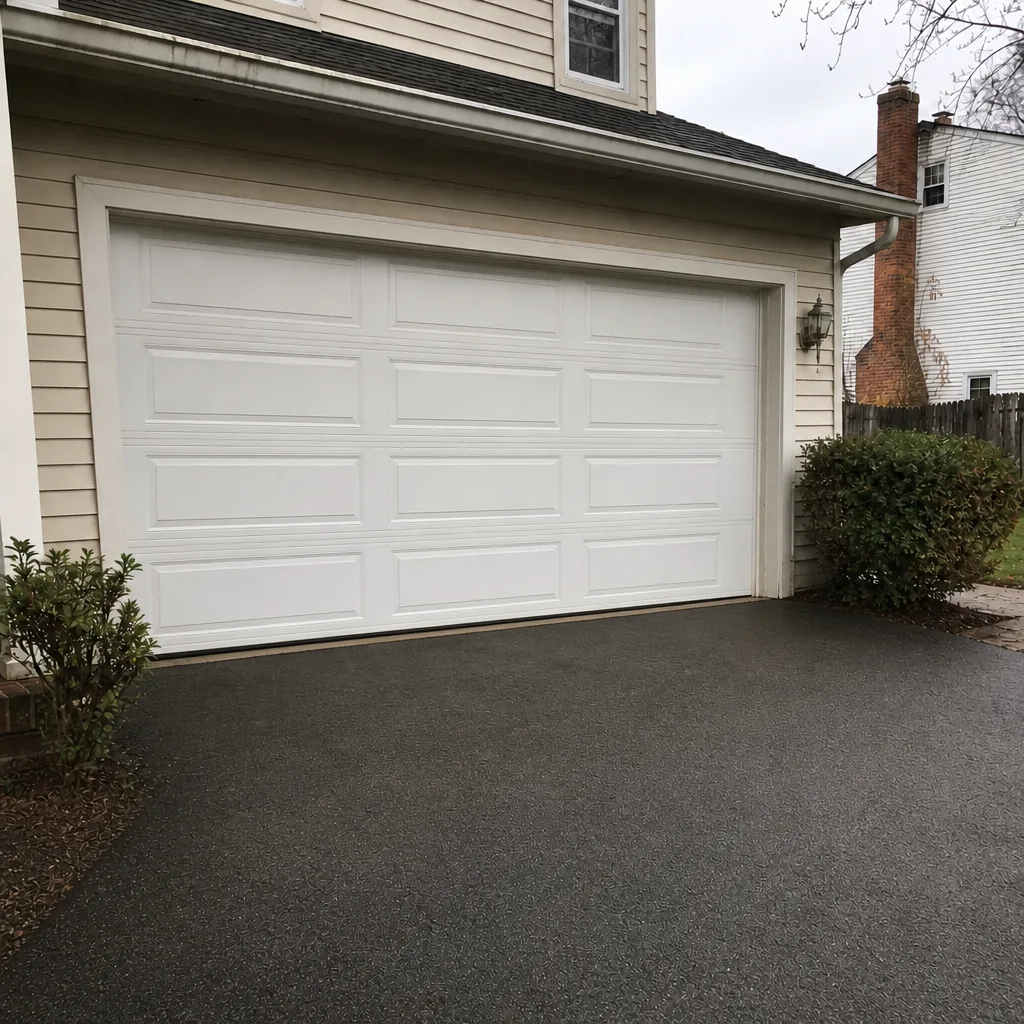 After
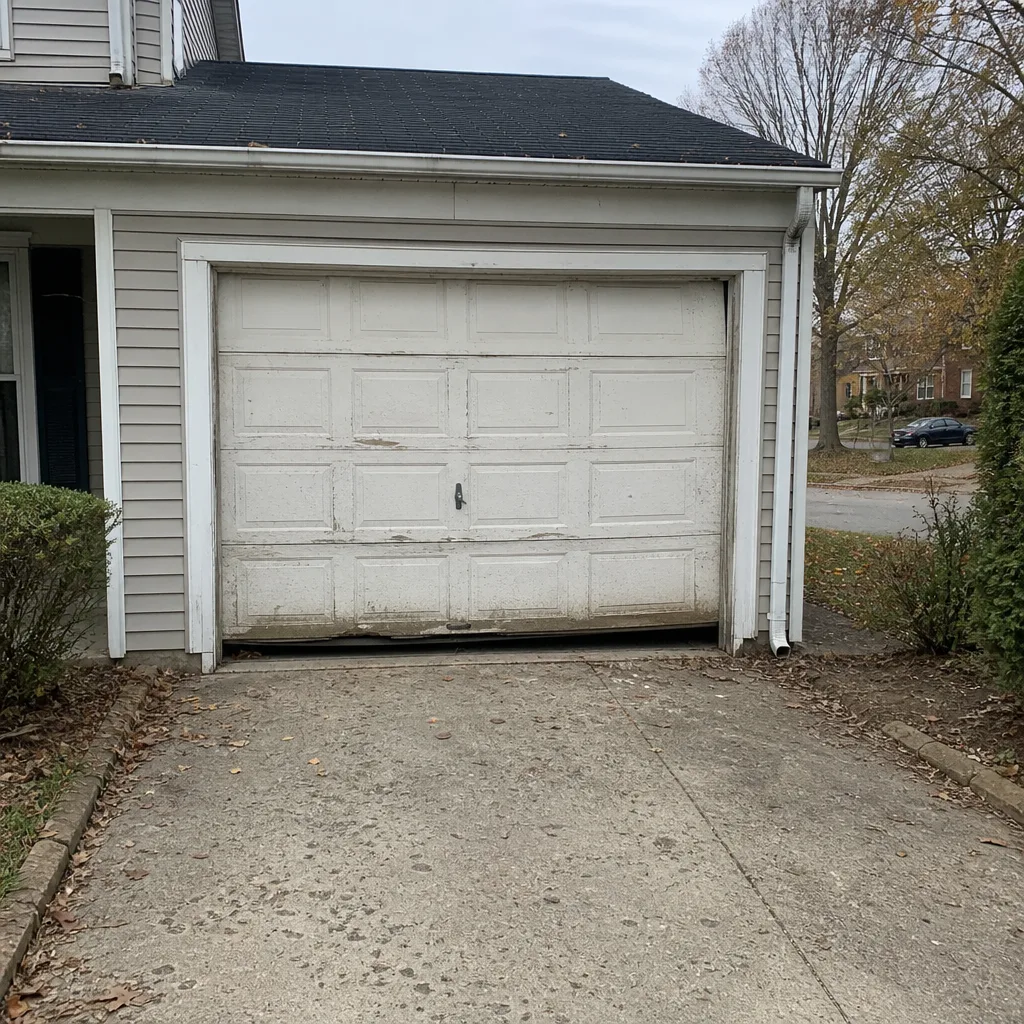 Before
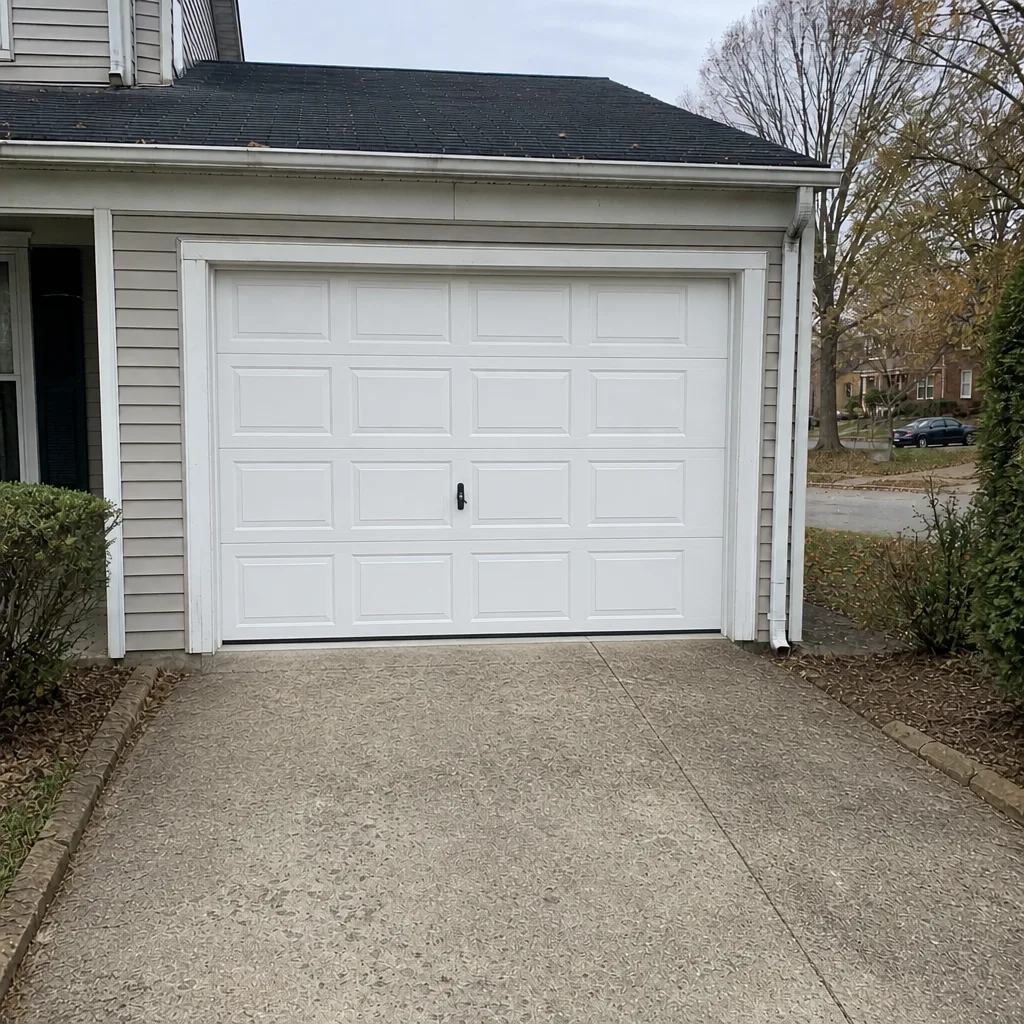 After
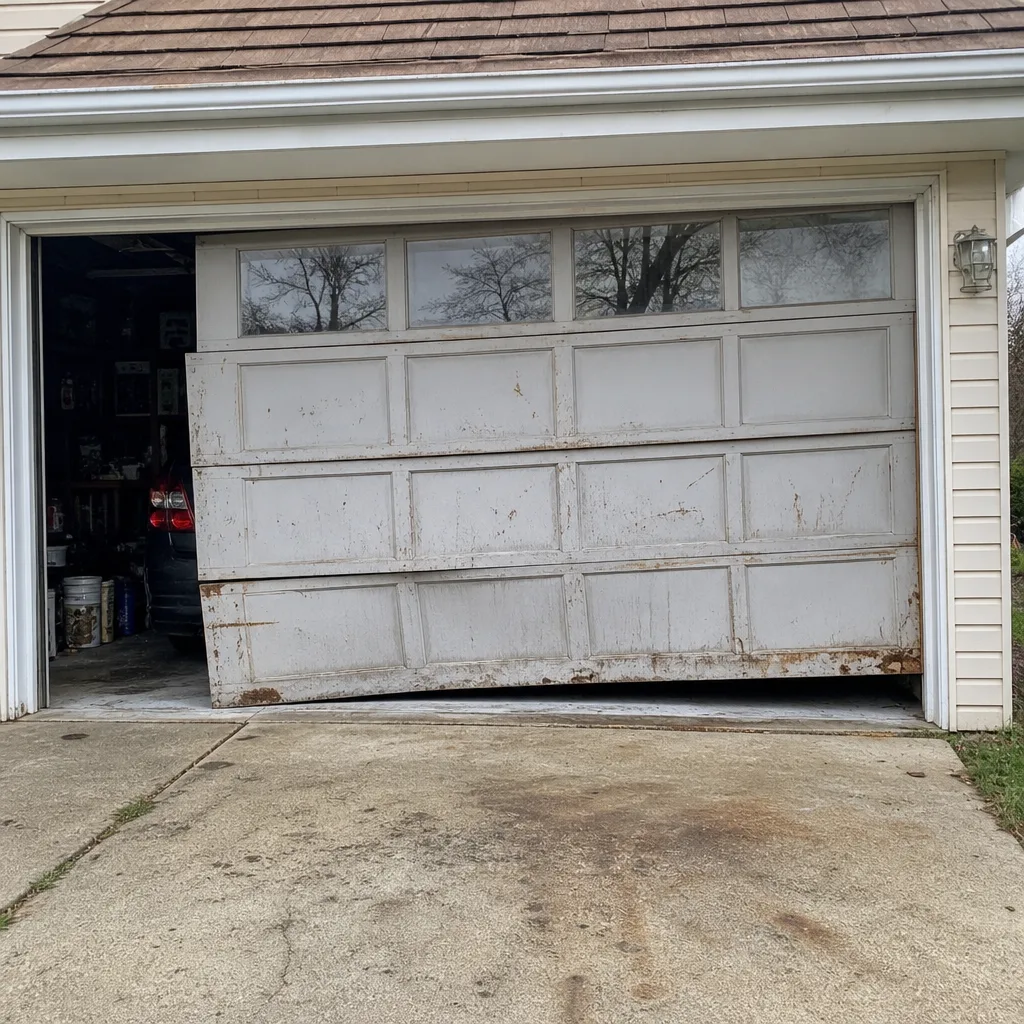 Before
 After
When to Call a Professional
Call a professional any time you’re in Tier 1: a broken spring, a frayed cable, a bent or buckled track, a door that reverses or closes on its own, or a door that’s partially off-track. Call if the balance test result worries you. Call if an opener is flashing a code you can’t clear, or if the door opens a few inches and stops. Call if the sound changed and you can’t place it. And call before you force anything that feels heavy or resists. Our technicians have up to 14 years of experience and handle the full door system, from spring and opener repair to new installation. We service the brands already on your home (LiftMaster, Chamberlain, Genie, Clopay, Amarr, Wayne Dalton, Craftsman, and Raynor), so there’s no brand-specific dealer appointment needed. Germantown Garage Door Repair Pros offers free estimates in Germantown, call (844) 575-0084. We can work with your insurer on covered claims, and every price is quoted and agreed before any work starts. When the door won’t move, one call covers the whole door.
Frequently Asked Questions
The most urgent is a broken spring, a frayed cable, a bent track, or any door that reverses or closes on its own. These are Tier 1 signs. Stop using the door and call us at (844) 575-0084 immediately.
Listen for a bang, look for a visible gap in a torsion spring, and run the balance test. If the door drops when you let it go halfway, the springs are weak or broken. Don’t force it, call a professional.
A door that hums but won’t move is often a broken spring, a seized roller, or a track bind. The opener motor is running, but the door can’t travel. Stop using it and get it diagnosed rather than replacing the opener blindly.
No. We service the widely installed brands on your home without a brand-specific dealer appointment. Call (844) 575-0084 and we’ll diagnose the system you already own.
Every price is quoted and agreed before any work starts. The written estimate sets the final price, so there are no surprises after a diagnosis. Call (844) 575-0084 for a free estimate.
Lubricating hinges and rollers fixes squeaks and helps smooth travel, but it doesn’t replace inspection of the springs, cables, and balance. Do both. Lubrication handles Tier 3; the check-up catches what’s creeping toward Tier 1.
Stop using the door. A door that closes on its own means the safety reverse system or force calibration is failing, and disabling it removes the one safeguard that prevents a serious accident. Call us at (844) 575-0084 right away.
The Bottom Line
The main takeaway is sorting. Garage door problems aren’t all the same, and treating them as such is where homeowners get into trouble. Stop using the door for Tier 1 problems (broken springs, frayed cables, bent tracks, doors that reverse or close on their own). Schedule within a week for Tier 2 (grinding, lag, uneven travel, partial-open behavior). Monitor and maintain for Tier 3 (seal wear, fading paint, a single squeak). Run the balance test once a season. Read the opener lights. Listen for noise changes. Match your response to the tier, and don’t disable a safety system to make a symptom go away. If any sign worries you, call (844) 575-0084. Germantown Garage Door Repair Pros handles the whole system and all the common brands on your home.
Written by the team at Germantown Garage Door Repair Pros.